Occupational Therapy Month: Building Kids’ Confidence & Independence
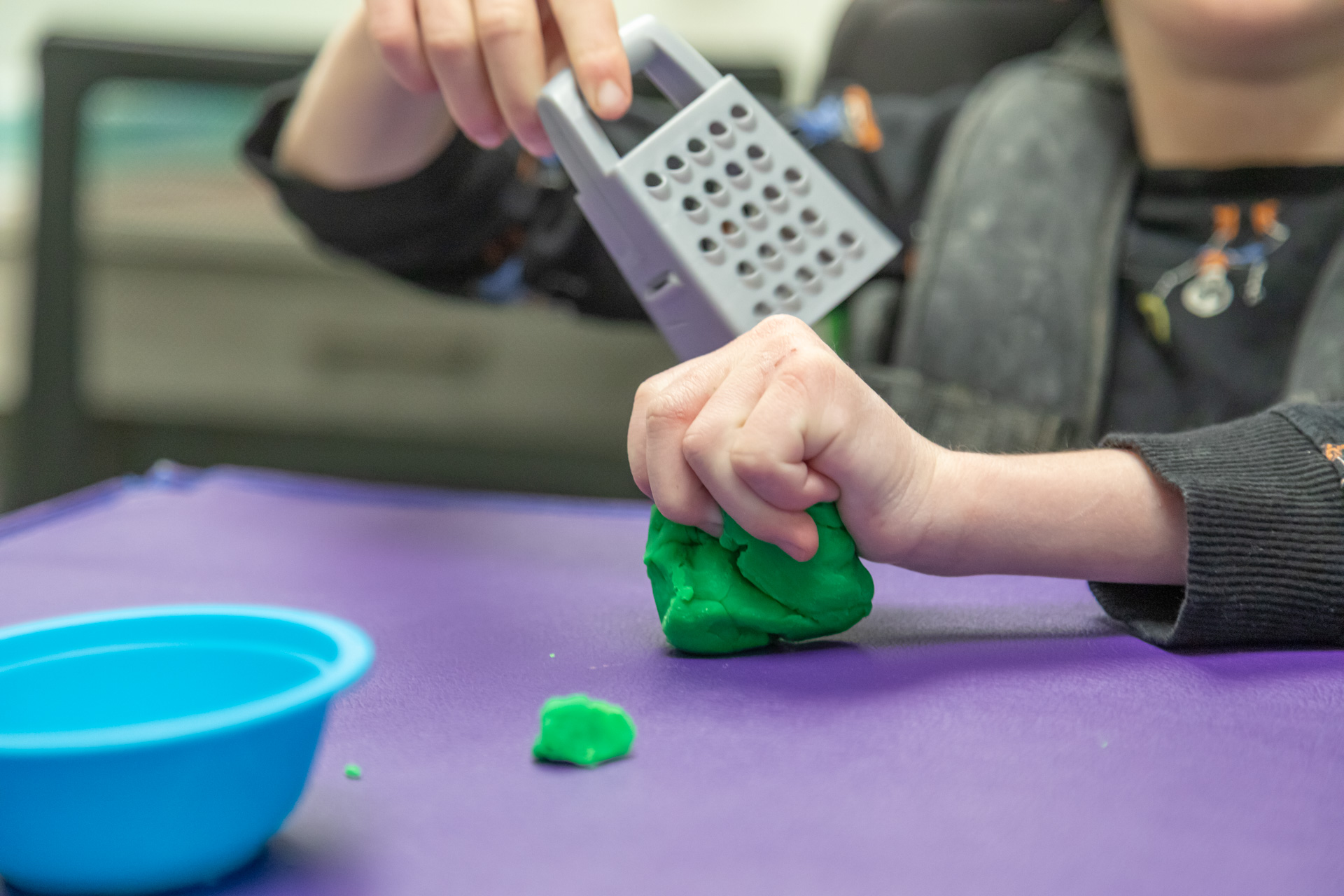

April is Occupational Therapy Month, a time to honor the creativity, compassion, and problem‑solving that occupational therapists bring to children’s lives. For many families, OT becomes a source of hope and clarity helping children build independence, strengthen emotional resilience, and feel more confident in their everyday routines.
At Advanced Therapy Clinic, our occupational therapists show up each day with a deep commitment to understanding each child’s strengths, challenges, and unique way of moving through the world. Their work is thoughtful, hands‑on, and rooted in helping children feel capable and supported. We’re grateful for the dedication they bring to families across Montana and Wyoming and proud to celebrate the impact they make.
Understanding Occupational Therapy Through a Child‑Centered Lens
Occupational therapy focuses on the skills children need for daily life, everything from getting dressed and using utensils to regulating emotions and participating in play. But OT is more than skill‑building. It’s about helping children understand themselves, feel confident in their abilities, and navigate the world with greater ease.
OT often supports children with:
- Sensory processing differences
- Emotional regulation challenges
- Fine motor and handwriting needs
- Self‑care and daily living skills
- Play and social participation
- Attention and executive functioning
By meeting children where they are, OT helps them grow in ways that feel achievable, meaningful, and empowering.
Building Independence Through Everyday Skills
Independence looks different for every child, and OT celebrates progress at every level. A child might practice zipping a coat, organizing school materials, or completing a morning routine with fewer prompts. Another might work on trying new foods, brushing teeth, or managing transitions without overwhelm.
These moments might appear small on the surface but they represent big steps toward confidence. As children master daily tasks, they begin to see themselves as capable, and families often notice smoother, more predictable routines at home.
Strengthening Emotional Resilience
Emotional regulation is one of the most important foundations for learning, social connection, and independence. Many children experience big feelings, sensory overload, or difficulty recovering after challenging moments. OT helps children understand their bodies, recognize their emotions, and use strategies that help them stay calm and focused.
Therapists might introduce movement breaks, calming tools, or sensory‑friendly routines that help children feel grounded. Over time, children learn how to navigate frustration, transitions, and unexpected changes with greater confidence
Supporting Sensory Needs With Compassion and Creativity
Many children experience the world through a sensory lens. Some seek movement or deep pressure, like firm hugs, weighted blankets, or gentle squeezes, while others may avoid certain textures, sounds, or environments. OT helps families understand these sensory patterns and create supportive spaces where children feel safe and regulated.
A child who craves movement might benefit from climbing, jumping, or heavy‑work activities woven into their day. A child who is sensitive to noise might thrive with headphones, quiet corners, or predictable routines. These supports aren’t about changing who a child is, they’re about helping them feel comfortable in their own body.
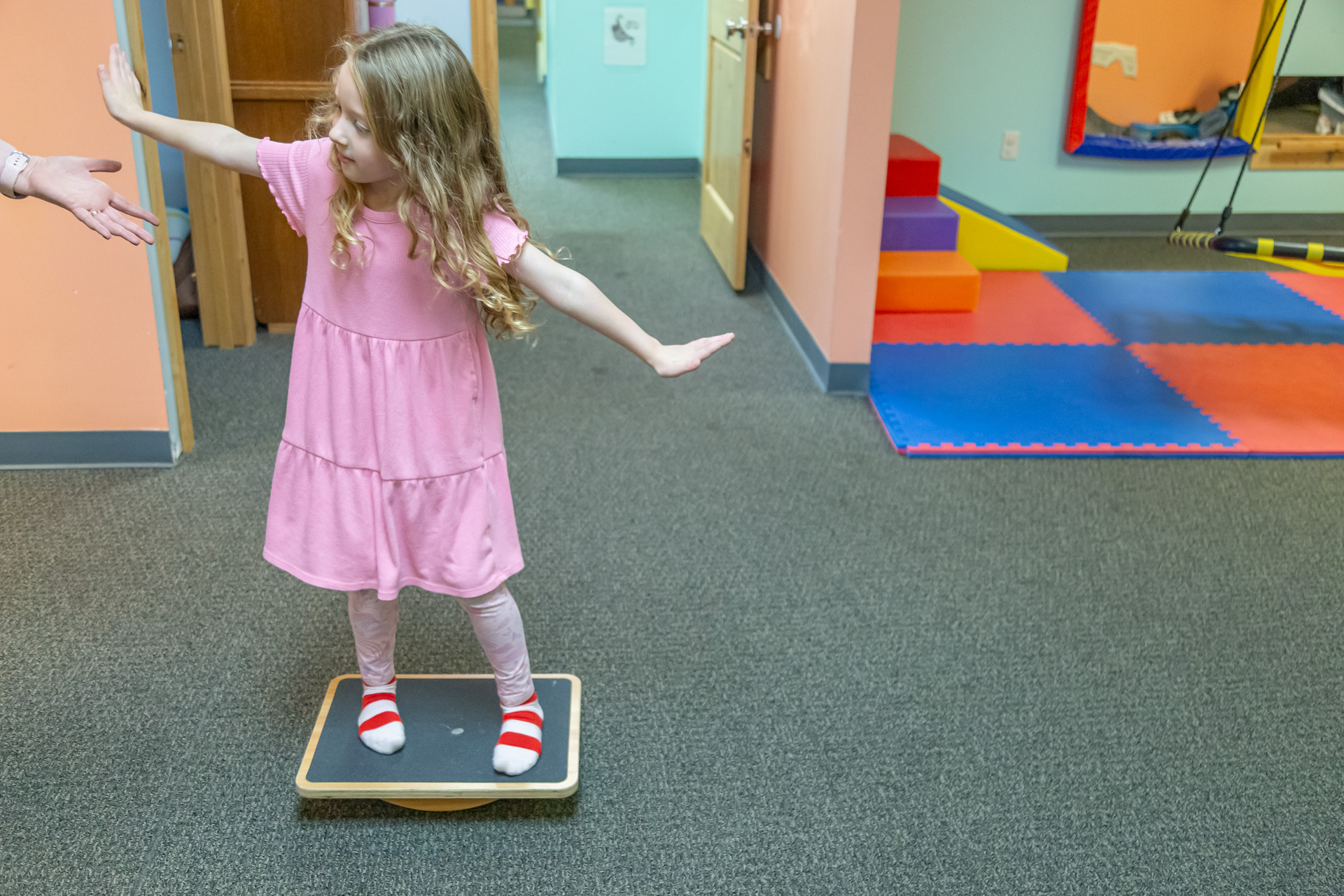
Helping Families Feel Confident at Home
OT doesn’t end when a session ends. Therapists partner closely with families to make sure strategies translate into real life.
Families often learn to:
- Support sensory needs during routines
- Break tasks into achievable steps
- Use visual schedules or checklists
- Encourage independence without pressure
- Celebrate small wins
- Build predictable, supportive environments
When families feel confident, children feel supported—and progress becomes part of everyday life.
A Month to Celebrate Growth, Strength, and Everyday Wins
Occupational Therapy Month is a meaningful opportunity to recognize the heart and dedication of our OT team. At Advanced Therapy Clinic, our therapists bring patience, creativity, and deep clinical knowledge to every session. They collaborate closely with families, adapt strategies to each child’s needs, and approach every challenge with compassion.
Their work helps children feel safe, capable, and empowered, and we are profoundly grateful for the impact they make every day.
Recent articles
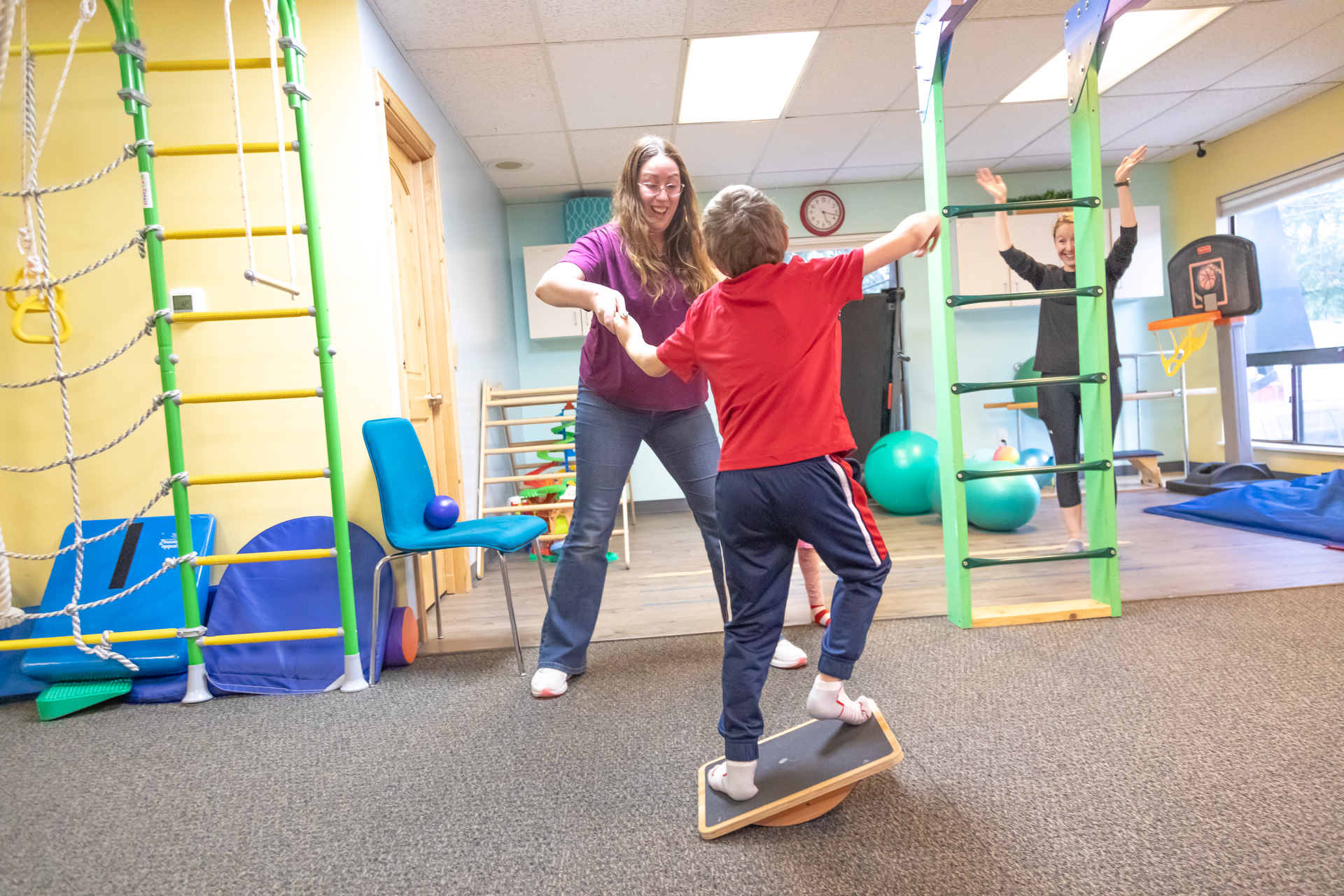
National Physical Therapy Month: How Pediatric PT Helps Children Build Strength and Confidence
Celebrate National Physical Therapy Month and learn how pediatric PT helps children build strength, confidence, mobility, and independence through play and movement.
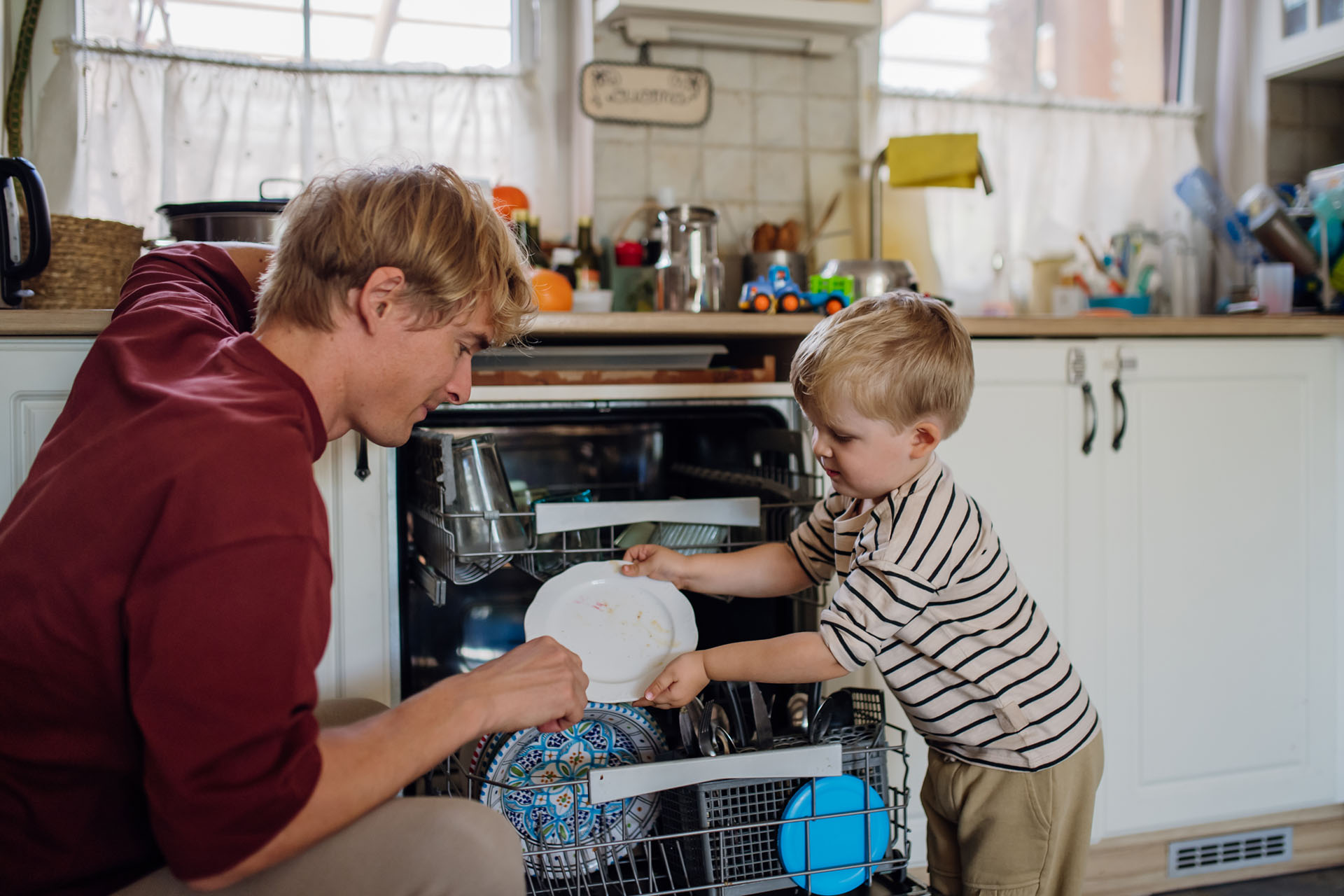
Early Signs Your Child May Benefit from Occupational Therapy
When everyday tasks feel harder than they should, occupational therapy may help. Learn common signs involving sensory processing, emotional regulation, executive functioning, and daily routines.
.jpg)
How Parents Can Support Fall Routines with Therapy Strategies
Learn how to support fall routines with therapy-inspired strategies that help children build confidence, independence, and emotional regulation throughout the school year.

A Parent's Guide to ABA Therapy Options in Sheridan, Wyoming
Explore ABA therapy options in Sheridan, Wyoming. Learn how ABA therapy supports communication, independence, and confidence for children and families.

How to Help Your Child Transition Back to School with Confidence
Help your child transition back to school with confidence. Discover therapy-inspired back-to-school tips for families in Billings and communities across Montana and Wyoming.
How Pediatric Therapy Supports Emotional Regulation and Resilience
Learn how pediatric therapy supports emotional regulation and resilience through sensory, communication, motor, and behavioral development.

