How Pediatric Therapy Strengthens Family Bonds and Daily Routines


When a child begins therapy, most families expect improvements in communication, behavior, motor skills, or daily living tasks. What many don’t expect is how deeply therapy can strengthen the entire family, creating smoother routines, more connection, and a shared sense of progress.
Pediatric therapy isn’t just about helping a child grow. It’s about helping families grow together. When parents, siblings, and therapists work as a team, everyday life becomes more predictable, more joyful, and more connected.
This post explores how pediatric therapy supports family relationships, reduces stress, and brings more harmony to daily routines.
Therapy Helps Families Understand Their Child More Deeply
One of the most powerful outcomes of pediatric therapy is clarity. Parents often come into therapy feeling unsure about why certain behaviors happen or why certain tasks feel so hard for their child. Therapy helps decode those moments.
Through assessments, observations, and ongoing communication, therapists help families understand:
- What motivates their child
- What overwhelms them
- How they process sensory information
- How they communicate (even before words)
- Why certain routines feel challenging
- What supports help them thrive
This understanding reduces frustration on both sides. When parents can see the why behind a behavior, they can respond with empathy and confidence instead of stress or confusion.
And when a child feels understood, family relationships naturally strengthen.
Therapy Creates Predictable, Calmer Daily Routines
Morning routines, mealtimes, transitions, bedtime, these moments can be tough for many families. Pediatric therapy helps break down these routines into manageable steps and teaches strategies that make them smoother.
Therapists may help families:
- Build visual schedules
- Create consistent routines
- Use sensory strategies to support regulation
- Break tasks into smaller, achievable steps
- Introduce communication supports
- Reduce power struggles through choice‑making
- Practice transitions in a structured way
When routines become more predictable, children feel safer and more confident. Parents feel less rushed and overwhelmed. And the whole family experiences more calm and connection throughout the day.
Active Participation Strengthens the Parent–Child Relationship
Pediatric therapy is most effective when parents are involved, not because they’re doing anything “wrong,” but because they are the most important people in a child’s life.
Parent involvement might include:
- Observing sessions
- Practicing strategies at home
- Participating in coaching or training
- Sharing updates about routines and progress
- Collaborating on goals
- Learning new ways to support communication or behavior
This shared learning strengthens the parent–child bond. Parents gain tools that help them feel more confident and empowered. Children feel supported, understood, and connected.
And because therapy strategies are practiced at home, progress becomes part of everyday life, not just something that happens in a clinic.
Therapy Helps Families Respond to Challenges as a Team
Every family faces tough moments, meltdowns, communication breakdowns, sensory overload, or struggles with independence. Therapy gives families a shared language and shared strategies to navigate those moments together.
Instead of reacting in the moment, families learn to:
- Recognize early signs of dysregulation
- Use proactive strategies to prevent overwhelm
- Support communication before frustration builds
- Stay calm and consistent during challenging behaviors
- Celebrate effort, not just outcomes
- Repair connection after difficult moments
This teamwork reduces stress and builds trust. Children learn that their parents are safe, predictable, and supportive, even when things feel hard.
Therapy Encourages Positive Interactions and Shared Wins
One of the most beautiful parts of pediatric therapy is the celebration of small wins. These moments don’t just belong to the child, they belong to the whole family.
Families often celebrate:
- A new word
- A smoother morning routine
- A successful transition
- A new motor skill
- A calmer mealtime
- A moment of independence
- A day with fewer meltdowns
- A brave attempt at something new
These wins create joy, pride, and connection. They remind families that progress is happening, even when it’s slow or subtle. And they help children feel supported and celebrated by the people who matter most.

Therapy Helps Siblings Understand and Support Each Other
Siblings play a huge role in a child’s development, and therapy often helps strengthen those relationships too.
Therapists may help siblings:
- Understand their brother or sister’s needs
- Learn how to communicate more effectively
- Participate in play‑based activities
- Celebrate progress together
- Build empathy and patience
- Reduce frustration or confusion
When siblings feel included and informed, family dynamics become more supportive and connected.
Therapy Brings Skills Into the Home, Not Just the Clinic
One of the biggest strengths of pediatric therapy is its focus on real‑life application. Skills learned in therapy are meant to be used at home, at school, and in the community.
Therapists help families integrate strategies into:
- Morning routines
- Mealtimes
- Playtime
- Homework
- Outings
- Bedtime
- Social interactions
This consistency helps children generalize skills across environments and it helps families feel more confident supporting their child in everyday life.
The Heart of Pediatric Therapy: Stronger Families, Brighter Futures
At its core, pediatric therapy is about more than skill‑building. It’s about strengthening relationships, reducing stress, and helping families feel connected and capable.
When parents and therapists work together, children don’t just make progress, they feel supported, understood, and loved. And families don’t just learn strategies, they grow stronger, more confident, and more united.
Pediatric therapy is a journey, and every step forward is a step you take together.
Recent articles

Fall Activities That Encourage Speech and Social Skills in Children
From pumpkin patches to family game nights, fall offers countless opportunities to help children build communication, social skills, and confidence.
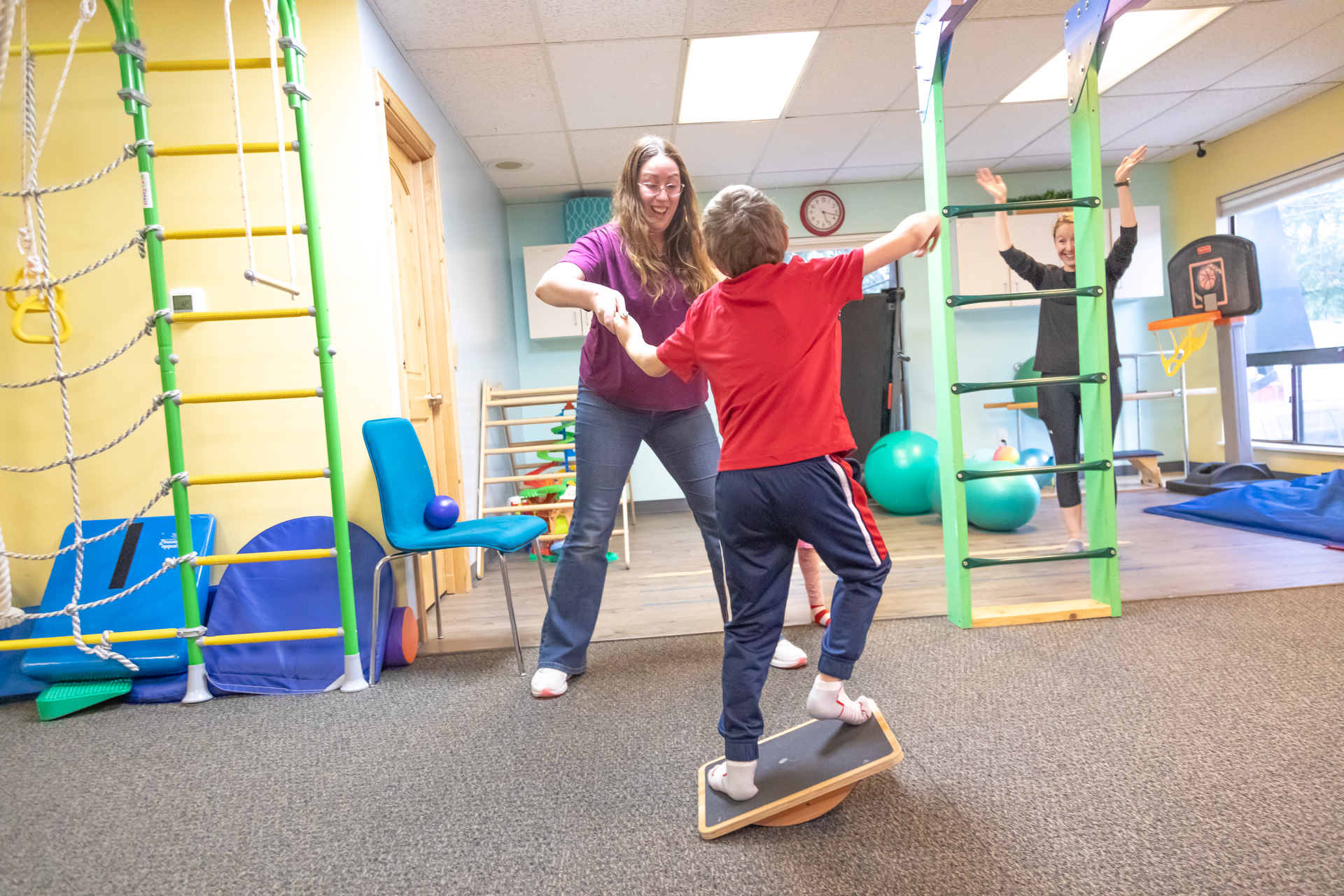
National Physical Therapy Month: How Pediatric PT Helps Children Build Strength and Confidence
Celebrate National Physical Therapy Month and learn how pediatric PT helps children build strength, confidence, mobility, and independence through play and movement.
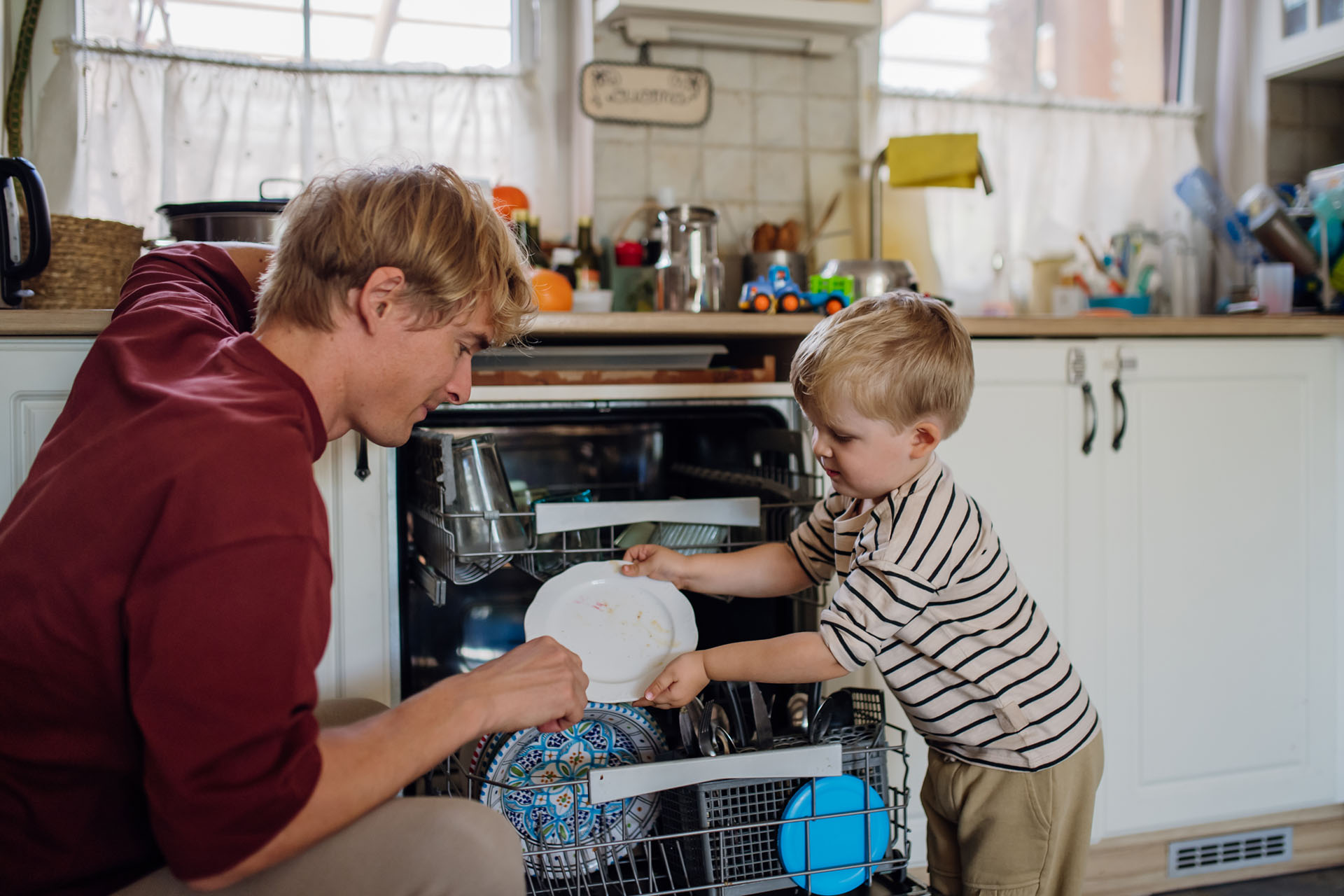
Early Signs Your Child May Benefit from Occupational Therapy
When everyday tasks feel harder than they should, occupational therapy may help. Learn common signs involving sensory processing, emotional regulation, executive functioning, and daily routines.
.jpg)
How Parents Can Support Fall Routines with Therapy Strategies
Learn how to support fall routines with therapy-inspired strategies that help children build confidence, independence, and emotional regulation throughout the school year.
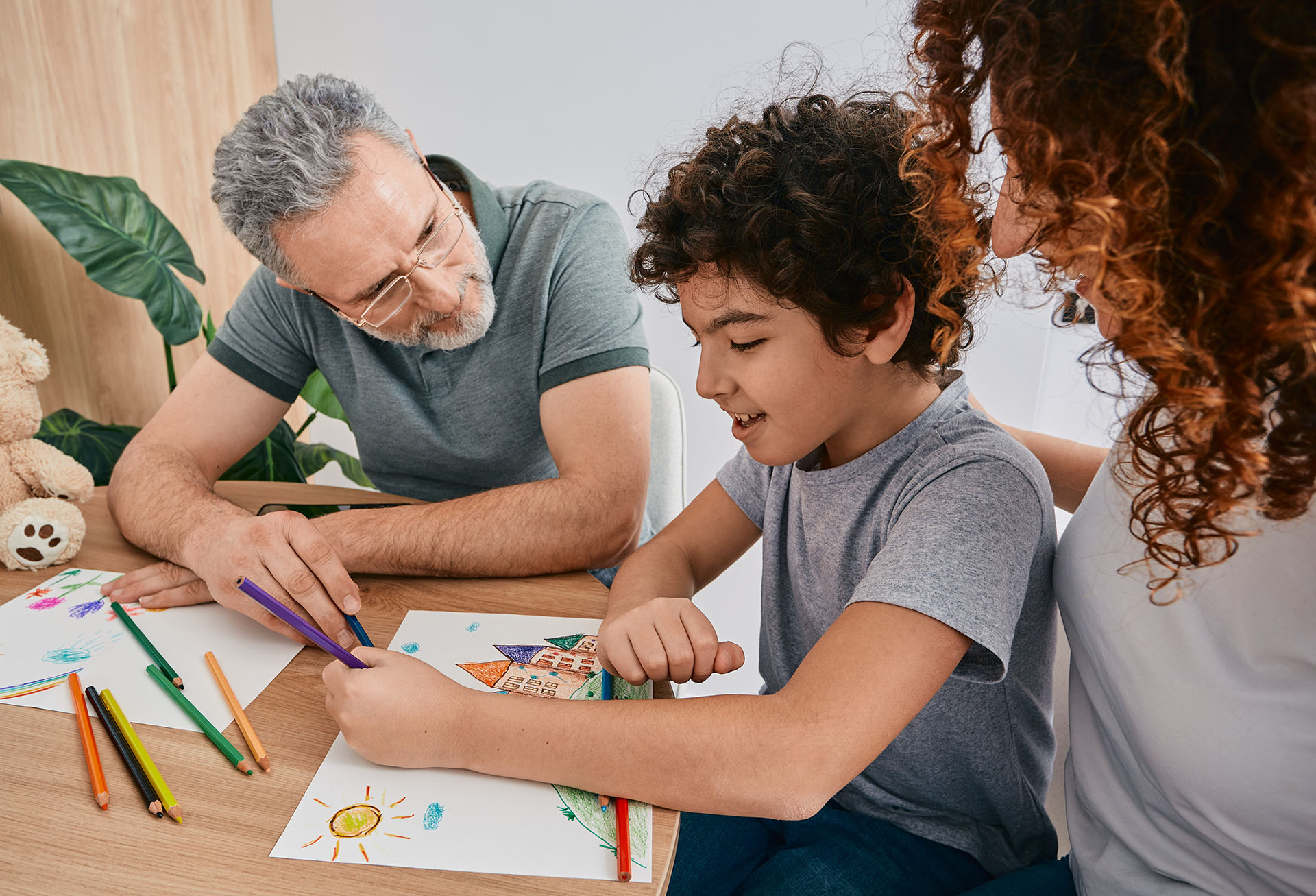
A Parent's Guide to ABA Therapy Options in Sheridan, Wyoming
Explore ABA therapy options in Sheridan, Wyoming. Learn how ABA therapy supports communication, independence, and confidence for children and families.

How to Help Your Child Transition Back to School with Confidence
Help your child transition back to school with confidence. Discover therapy-inspired back-to-school tips for families in Billings and communities across Montana and Wyoming.

