Why Consistency Matters: Keeping Therapy Progress Strong Over Summer Break


Summer brings a welcome shift in rhythm for many families, longer days, fewer obligations, and more time to rest, explore, and enjoy being together. But with that change in routine, it’s natural for parents to wonder how to keep their child’s therapy progress moving forward without turning summer into another structured season.
The good news is that consistency doesn’t have to mean rigid schedules or daily practice sheets. It simply means weaving small, meaningful moments of connection, communication, and independence into the flow of summer. These gentle touchpoints help children maintain the skills they’ve worked so hard to build, while still giving them space to enjoy the season.
How Summer Routines Support Steady Progress
Children thrive when they know what to expect, and summer’s slower pace can actually make it easier to create predictable rhythms. A simple morning routine, a consistent bedtime, or a familiar sequence before leaving the house helps children feel grounded. These patterns support emotional regulation and make it easier for kids to use the skills they’ve learned in therapy, whether that’s communicating a need, managing a transition, or completing a daily task with more independence.
Even small routines, like choosing a snack, packing a bag, or helping with a simple chore, reinforce the confidence and competence children build throughout the year.
Everyday Moments Become Practice Opportunities
Therapy progress doesn’t depend on worksheets or formal sessions. It grows through everyday interactions, asking for help, solving small problems, trying something new, or navigating a change in plans. Summer is full of these natural opportunities.
A child might practice communication while ordering ice cream, build motor skills while climbing at the park, or strengthen emotional regulation while waiting in line at a community event. These moments are gentle, organic, and deeply meaningful. They help children carry their skills into real‑world settings, which is often where progress becomes most visible.
Flexibility Without Losing Structure
Summer invites spontaneity, and that’s a good thing. But a little structure helps children feel secure enough to enjoy it. Families often find success with a “loose framework” a predictable flow to the day with plenty of room for choice.
This balance supports children who benefit from clear expectations while still giving them the freedom to explore. It also helps maintain the progress they’ve made in therapy by keeping routines familiar and manageable.

Staying Connected With Your Therapy Team
Consistency doesn’t mean doing everything alone. Staying in touch with your child’s therapy team, whether through scheduled sessions, periodic check‑ins, or simple updates, helps keep goals aligned and progress steady. Therapists can offer ideas tailored to your child’s needs, suggest small adjustments to routines, or help troubleshoot challenges that come up during the summer months.
These touchpoints ensure that your child continues to feel supported, even when schedules shift.
Celebrating Growth in All Its Forms
Summer progress often looks different than school‑year progress. It might show up as smoother mornings, more confident play, fewer meltdowns during transitions, or new bursts of independence. These changes are just as meaningful as mastering a new skill in therapy, and noticing them helps children feel proud and capable.
A few simple reminders to carry into the season:
- Small moments count. Every day wins: trying something new, handling a transition, or using a skill independently are meaningful signs of growth.
- Gentle routines help children feel grounded. Predictable rhythms support emotional regulation and make it easier for kids to use the skills they’ve learned.
- Real‑world experiences strengthen therapy progress. Ordering a treat, joining a family activity, or navigating a new environment all reinforce communication, flexibility, and confidence.
- Staying connected with your therapy team keeps momentum steady. Occasional check‑ins or continued sessions help ensure your child feels supported throughout the summer.
- Joy fuels learning. When children feel safe, connected, and engaged, their progress naturally continues.
Summer doesn’t have to interrupt therapy progress. With simple routines, everyday practice opportunities, and steady support, children can continue to grow in confidence, communication, and independence while enjoying the magic of the season.
Recent articles
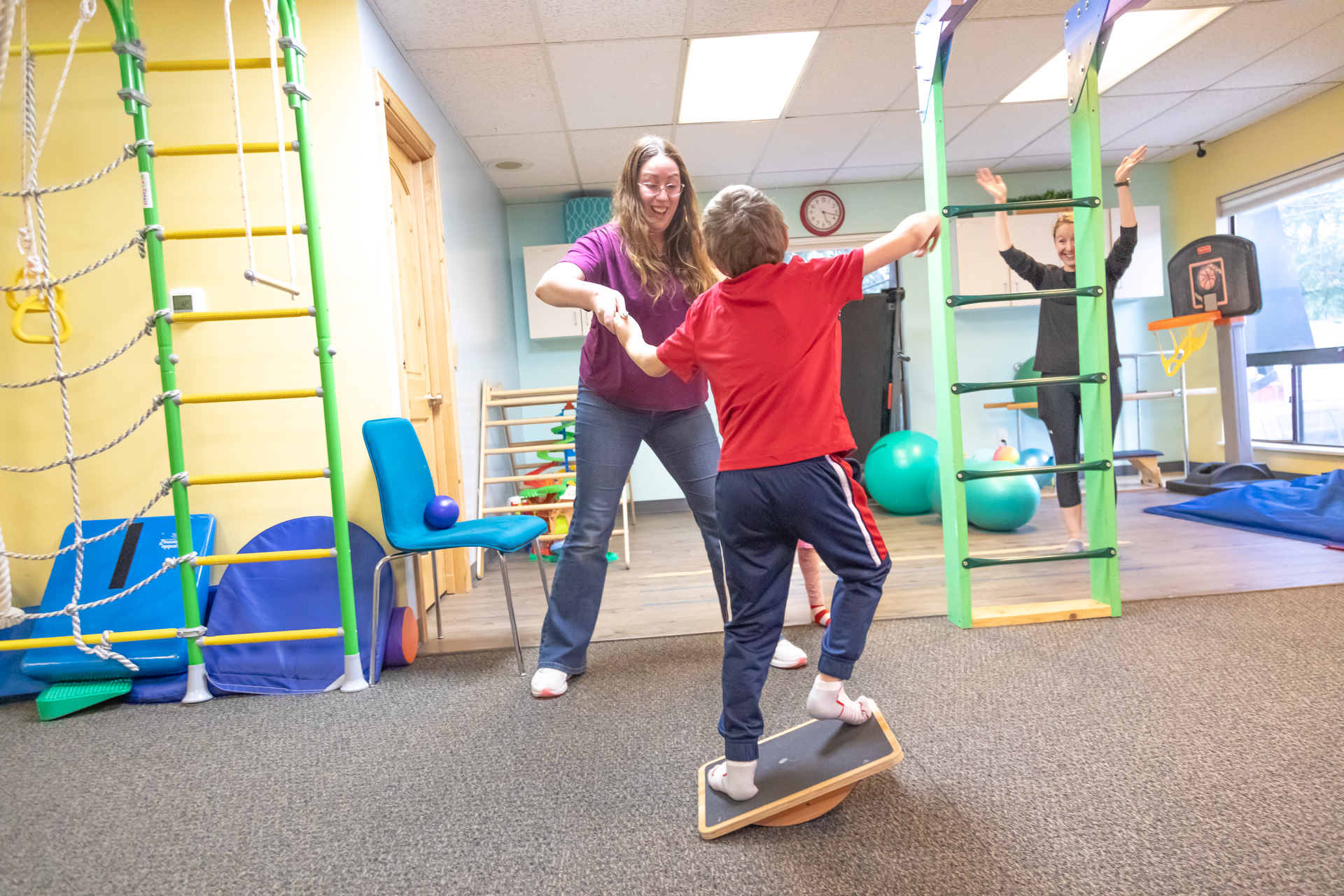
National Physical Therapy Month: How Pediatric PT Helps Children Build Strength and Confidence
Celebrate National Physical Therapy Month and learn how pediatric PT helps children build strength, confidence, mobility, and independence through play and movement.
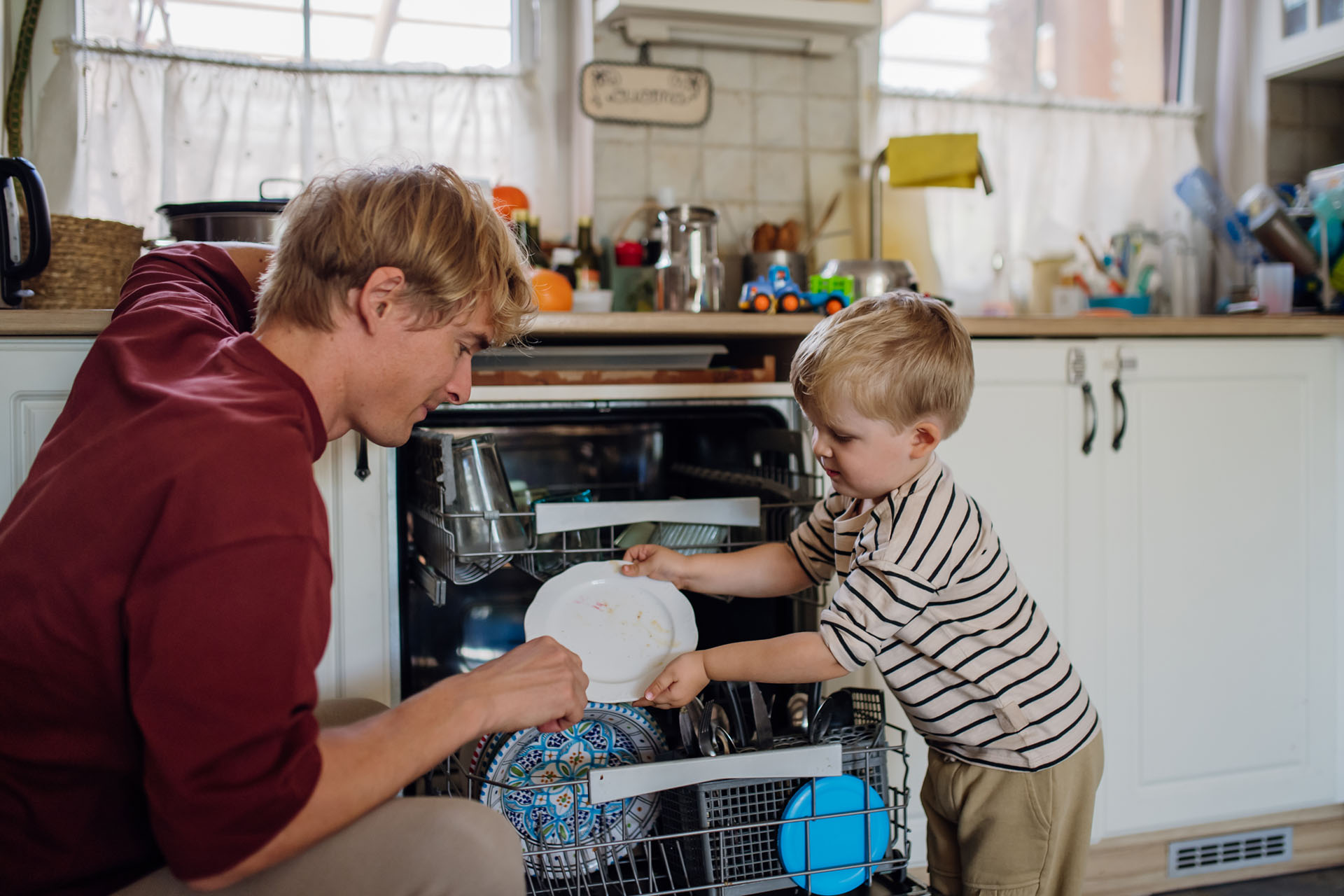
Early Signs Your Child May Benefit from Occupational Therapy
When everyday tasks feel harder than they should, occupational therapy may help. Learn common signs involving sensory processing, emotional regulation, executive functioning, and daily routines.
.jpg)
How Parents Can Support Fall Routines with Therapy Strategies
Learn how to support fall routines with therapy-inspired strategies that help children build confidence, independence, and emotional regulation throughout the school year.

A Parent's Guide to ABA Therapy Options in Sheridan, Wyoming
Explore ABA therapy options in Sheridan, Wyoming. Learn how ABA therapy supports communication, independence, and confidence for children and families.

How to Help Your Child Transition Back to School with Confidence
Help your child transition back to school with confidence. Discover therapy-inspired back-to-school tips for families in Billings and communities across Montana and Wyoming.
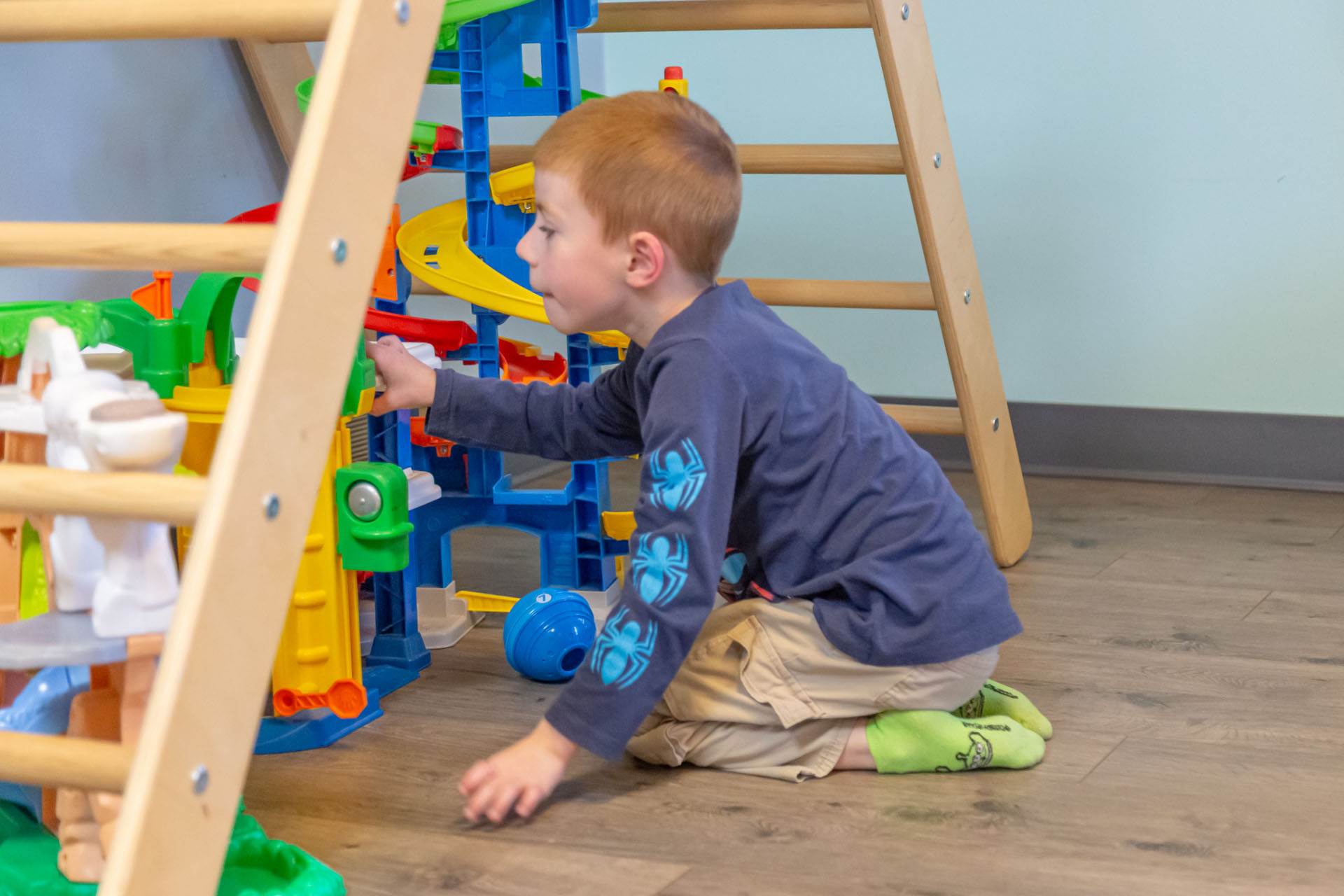
How Pediatric Therapy Supports Emotional Regulation and Resilience
Learn how pediatric therapy supports emotional regulation and resilience through sensory, communication, motor, and behavioral development.

