Understanding the Differences Between ABA, OT, PT, and Speech Therapy


When a child needs extra support, parents often find themselves navigating a world of therapy options they’ve never encountered before. ABA, OT, PT, and Speech Therapy each play a unique role in helping children grow, learn, and thrive, but understanding what they actually do can feel overwhelming at first.
This guide breaks down the core differences in a clear, parent‑friendly way so you can feel confident choosing the right services for your child.
Why There Are Different Types of Therapy
Children develop across many areas, communication, motor skills, behavior, sensory processing, social interaction, and daily living. Because development is multi‑layered, therapy is too. Each discipline focuses on a different part of growth, and many children benefit from a combination of services.
Think of it like a team:
Each therapist brings a different specialty, but they all work toward the same goal, helping your child build skills, confidence, and independence.
ABA Therapy (Applied Behavior Analysis)
Focus: Behavior, communication, daily routines, and skill development
ABA therapy is an evidence‑based approach that helps children learn meaningful skills and reduce behaviors that interfere with daily life. It’s especially common for children with autism, but it supports a wide range of developmental and behavioral needs.
ABA Helps With
- Communication and language
- Emotional regulation
- Social skills
- Daily routines and independence
- Challenging behaviors
- Coping and flexibility
ABA breaks skills into small steps and uses positive reinforcement to help children learn. Sessions are active, structured, and tailored to each child.
Occupational Therapy (OT)
Focus: Daily living skills, sensory processing, fine motor skills, and independence
OT helps children participate more successfully in everyday activities, from getting dressed to writing to staying regulated in busy environments.
OT Helps With
- Fine motor skills
- Sensory processing
- Feeding and self‑care
- Emotional regulation
- Play and social participation
- Attention and transitions
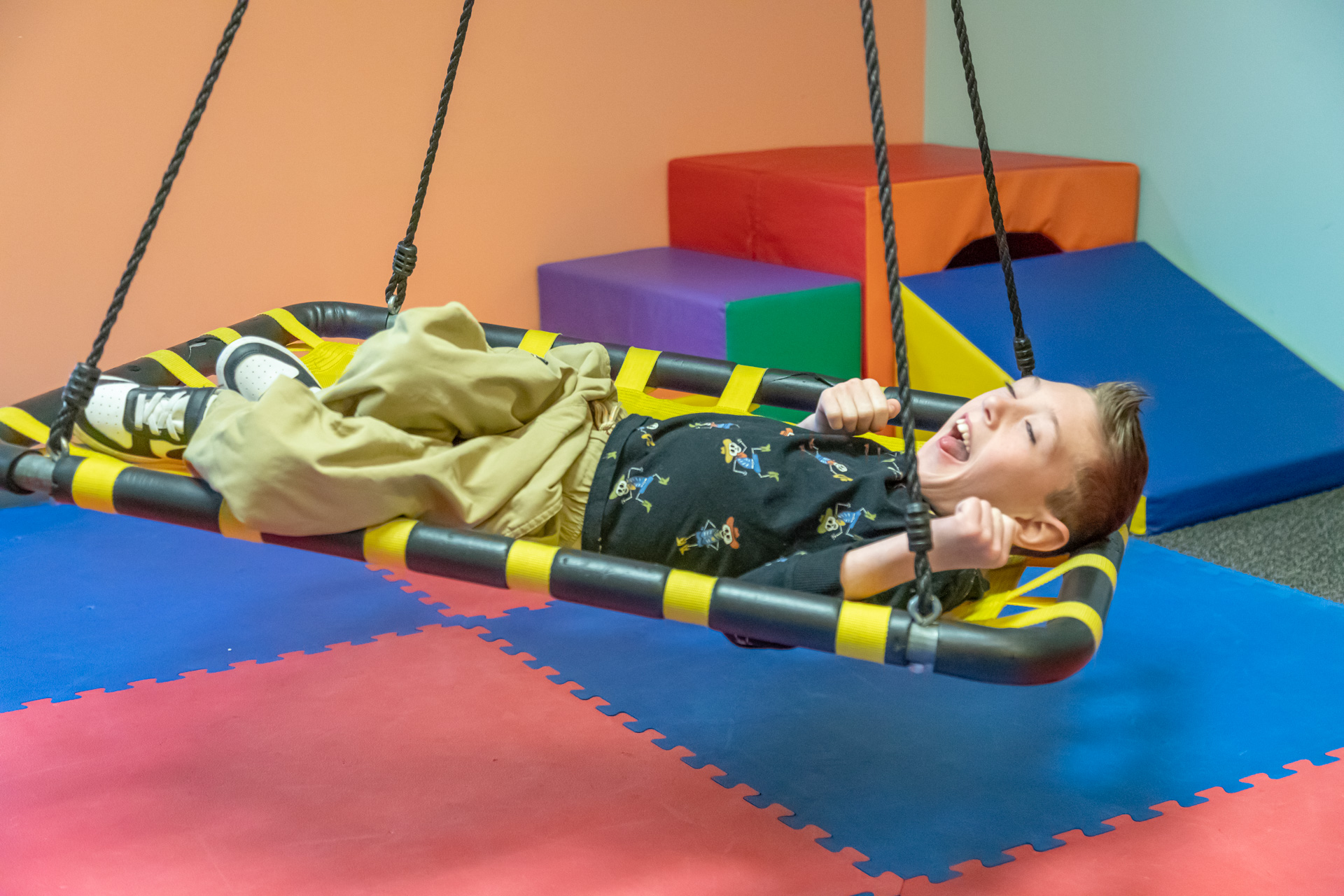
OT often looks like play, but every activity is chosen to build strength, coordination, sensory tolerance, or independence.
Physical Therapy (PT)
Focus: Strength, balance, coordination, mobility, and motor development
PT helps children build the physical skills they need to move confidently and safely.
PT Helps With
- Gross motor skills
- Balance and coordination
- Strength and endurance
- Posture and alignment
- Mobility challenges
Sessions may include climbing, stretching, balance activities, obstacle courses, or gait training, all designed to help children feel strong and capable.
Speech Therapy (SLP)
Focus: Communication, language, feeding, and social interaction
Speech therapy supports children in expressing themselves, understanding others, and participating in meaningful communication.
Speech Therapy Helps With
- Speech sounds and articulation
- Language development
- Social communication
- Stuttering
- AAC (communication devices)
- Feeding and swallowing
SLPs use play, visuals, modeling, and structured practice to help children build communication skills in ways that feel natural and engaging.
How These Therapies Work Together
Many children benefit from more than one type of therapy, and that’s completely normal. Each discipline supports a different part of development, and together they create a more complete picture of support.
For example:
- A child in ABA may also receive speech therapy to build communication skills.
- A child in OT may also receive PT to strengthen motor skills needed for daily tasks.
- A child in speech therapy may also benefit from ABA to support social communication.
Collaboration helps children make more meaningful, consistent progress.
How to Know Which Therapy Your Child Needs
If you’re unsure where to start, consider:
- What challenges are most noticeable
- Whether concerns are behavioral, physical, sensory, or communication‑based
- Recommendations from your pediatrician or school
- Your child’s daily routines and where they struggle most
Most families begin with an evaluation, which helps determine which therapies will be most beneficial.
The Bottom Line
ABA, OT, PT, and Speech Therapy each play a powerful role in helping children grow. Understanding the differences makes it easier to choose the right path, and to feel confident that your child is supported by the right team.
Whether you’re exploring services in Montana or Wyoming, the goal is always the same: helping your child build confidence, independence, and joy.
Recent articles
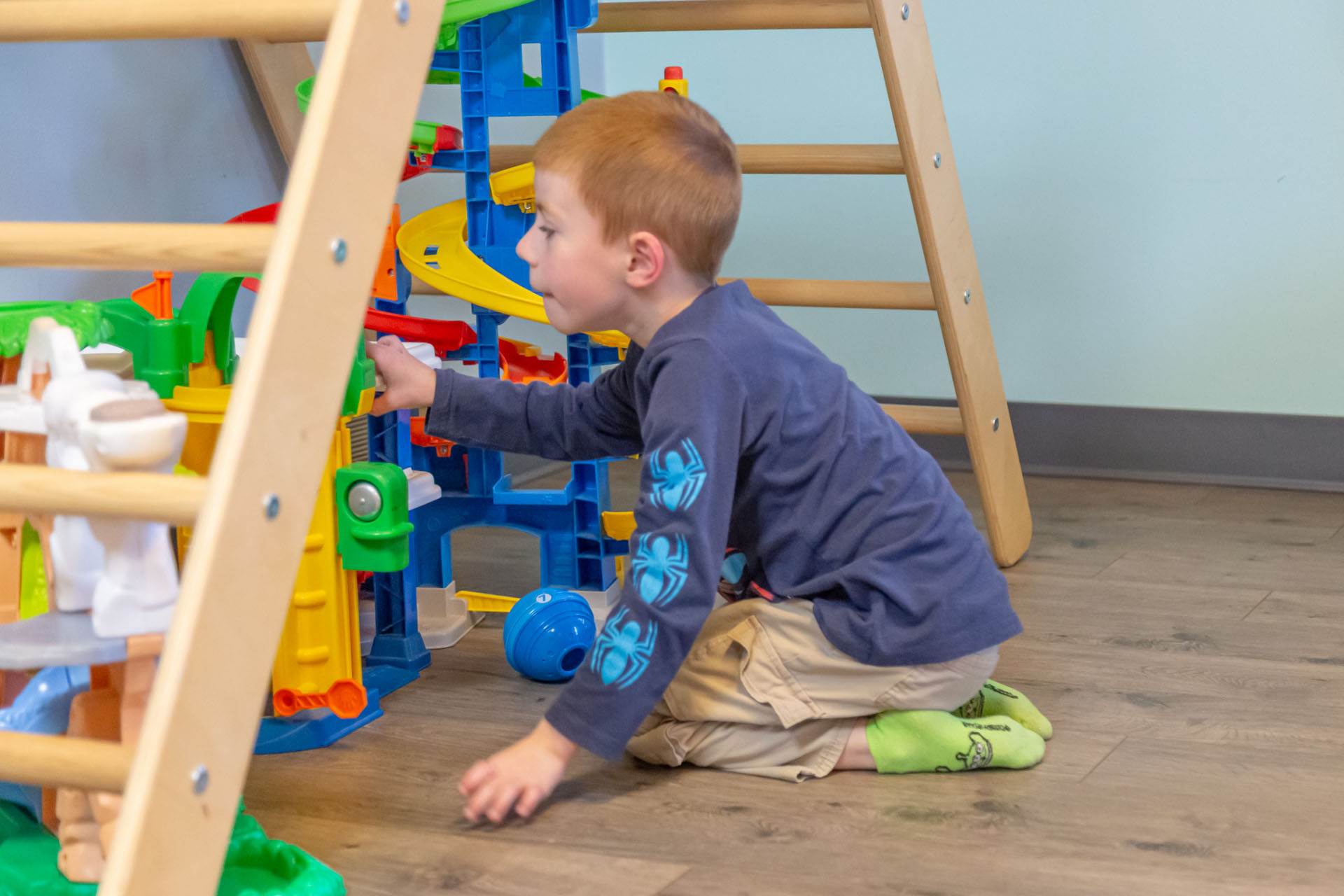
How Pediatric Therapy Supports Emotional Regulation and Resilience
Learn how pediatric therapy supports emotional regulation and resilience through sensory, communication, motor, and behavioral development.

Building Independence in Everyday Moments: How Butte Kids Learn Daily Living Skills
Discover how Butte’s July events, from the Folk Festival to Lunch in the Park, help children build confidence, communication, and everyday independence.

Why Consistency Matters: Keeping Therapy Progress Strong Over Summer Break
Learn how simple routines, everyday moments, and steady support help children maintain therapy progress and confidence throughout the summer months.

Outdoor Activities That Build Skills and Spark Joy for Kids in Montana and Wyoming
Explore how Montana and Wyoming’s outdoor adventures support communication, motor skills, emotional regulation, and confidence through joyful summer play.
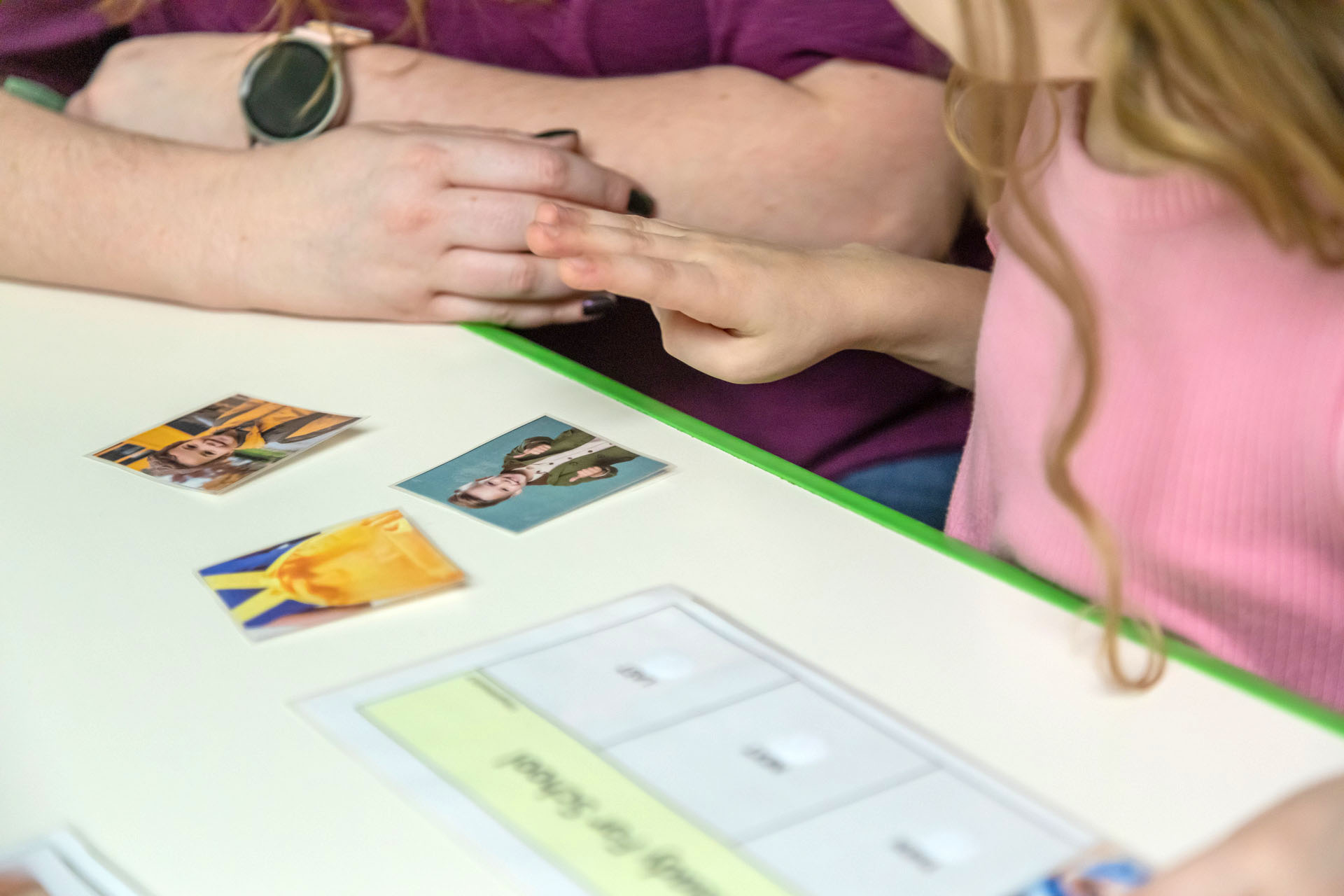
National Speech Language Hearing Month: Confidence, Connection, and Communication
Explore how speech therapy supports expressive language, social communication, early literacy, and confidence during National Speech‑Language‑Hearing Month.

Spring Activities in Montana That Support Motor and Social Development
Explore spring activities in Montana that support motor skills, social development, and family connection through play, movement, and outdoor exploration.

