Preparing for the Holidays: Therapy-Friendly Routines for Children and Families


The holiday season is filled with excitement, family traditions, special events, and opportunities to create lasting memories. For many children, however, the added activity, changes in routine, travel, and busy environments can also bring challenges.
Whether your family is attending gatherings, welcoming visitors, traveling, or simply adjusting to a different schedule, maintaining supportive routines can help children feel more comfortable, confident, and successful throughout the season.
At Advanced Therapy Clinic, we know that small adjustments can make a big difference. By planning ahead and creating therapy-friendly routines, families can help children navigate holiday changes while still enjoying all the fun and connection the season has to offer.
Why the Holidays Can Feel Overwhelming
Children often thrive when they know what to expect. During the holidays, familiar schedules can quickly change.
School breaks, family gatherings, travel plans, late nights, and new environments can create uncertainty for children who rely on consistency.
Some children may experience:
- Difficulty with transitions
- Increased emotional reactions
- Sensory overload
- Fatigue from busy schedules
- Challenges with communication or social situations
- Frustration when routines change
These responses are completely understandable and often improve when children are given support, preparation, and opportunities to recharge.
Keep Key Routines Consistent
While holiday schedules may look different, maintaining a few familiar routines can help children feel grounded and secure. Children often thrive when they know what to expect, and even small pieces of consistency can provide reassurance during busy or unpredictable days.
Rather than trying to maintain your family's normal schedule perfectly, focus on protecting a few key routines that matter most.
These may include:
- Wake-up times
- Bedtime routines
- Meals and snacks
- Daily hygiene habits
- Quiet or rest periods
For example, if your family is traveling to visit relatives, your child may not go to bed at the exact same time each night. However, keeping familiar bedtime activities—such as brushing teeth, putting on pajamas, reading a favorite book, or listening to a calming story—can help signal that it's time to wind down.
The same principle applies to meals and downtime. Holiday gatherings often involve unusual schedules, but offering familiar snacks, maintaining regular meal opportunities, or building in a quiet break during the day can help children regulate their energy and emotions.
When possible, consider asking yourself:
- What routines help my child feel most successful?
- Which parts of our day feel familiar and comforting?
- How can I preserve those routines, even if the schedule changes?
Sometimes consistency isn't about keeping the clock exactly the same—it's about preserving the patterns your child relies on.
A child who knows they will always have time to decompress after a busy event, enjoy a bedtime story before sleep, or eat a familiar breakfast each morning often feels more prepared to handle the excitement and unpredictability that comes with the holiday season.
Remember, consistency doesn't require perfection. Small anchors throughout the day can have a meaningful impact and help children approach holiday activities with greater confidence and flexibility.
Prepare Children for Changes in Advance
One of the biggest reasons holiday events can feel overwhelming for children is uncertainty. Adults often know what to expect when attending a family gathering or traveling for the holidays, but children may have dozens of unanswered questions running through their minds.
Who will be there? What will we do? How long will we stay? Will there be foods I recognize? What happens if I need a break?
Taking time to answer these questions before an event can significantly reduce anxiety and help children feel more prepared.
A few days before a gathering, try talking through the experience together. Walk your child through the plan in simple, age-appropriate language.
You might say:
"We're going to Grandma's house after lunch. Your cousins will be there, we'll eat dinner together, open gifts, and then come home before bedtime."
For younger children or children who benefit from additional structure, visual supports can be especially helpful. A simple calendar, picture schedule, or countdown can help them understand when an event is happening and what to expect.
If you're traveling somewhere new, consider showing photos of the location, family members, or activities ahead of time. Familiarity can help reduce uncertainty and make new experiences feel more manageable.
The goal isn't to eliminate every surprise. It's to help children feel prepared enough that they can approach new situations with greater confidence.
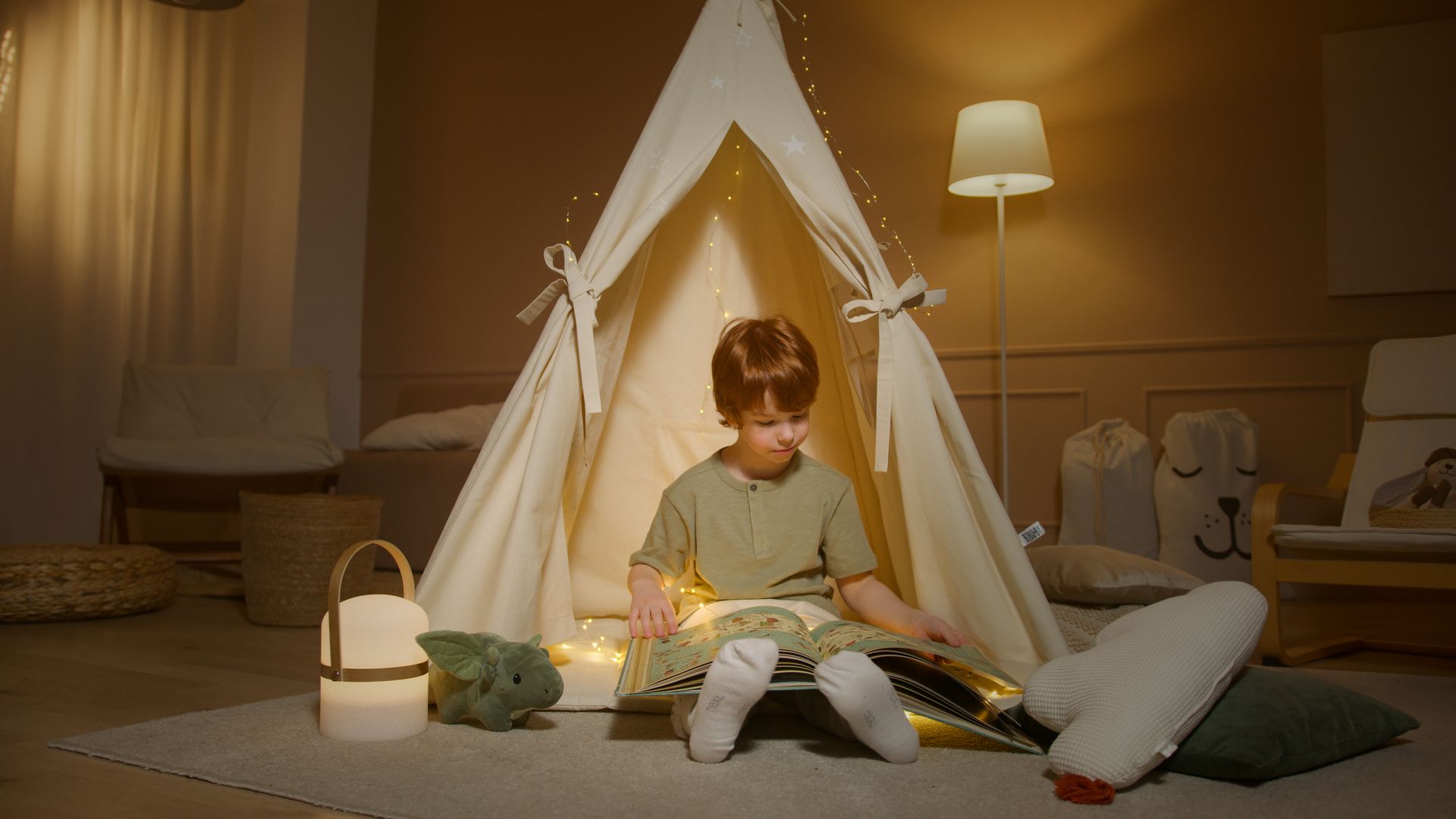
Create Opportunities for Sensory Breaks
Holiday celebrations often bring bright lights, loud conversations, crowded rooms, unfamiliar foods, and changes in routine. While many children enjoy the excitement, others may become overwhelmed by the amount of sensory input around them.
One of the most helpful things parents can do is plan for breaks before they are needed.
Rather than waiting until your child is frustrated, tired, or overwhelmed, identify a quiet space as soon as you arrive. This could be a spare bedroom, a quiet hallway, a covered porch, or even your vehicle if needed.
Think of these breaks as preventative rather than reactive.
Some children may benefit from:
- A favorite book
- Noise-reducing headphones
- A comfort item from home
- Drawing materials
- A short walk outside
- Deep breathing exercises
- Gentle movement activities
It's also important to remember that taking a break isn't a sign that an event is going poorly.
In many cases, a ten-minute reset allows children to return to the activity feeling calmer, more regulated, and better able to participate.
Giving children permission to step away when needed teaches an important lifelong skill: recognizing when they need support and taking steps to care for themselves.
Build Movement Into the Day
Holiday schedules often require children to sit longer, wait longer, and manage more stimulation than they may be used to. Long car rides, family meals, church services, shopping trips, and gatherings can all place demands on a child's attention and self-regulation.
Movement can be a powerful tool for helping children prepare for these situations.
Think of physical activity as a way to help your child "reset" before challenging moments. A family walk before a holiday meal, a quick dance party before visitors arrive, or time at a local playground before a long event can help children release energy and feel more prepared to engage.
Parents often notice that children are more successful during social activities when they have opportunities to move beforehand.
Rather than viewing movement as something separate from the holiday schedule, consider making it part of the celebration.
You might:
- Take a family walk to look at holiday lights
- Play an active game before dinner
- Go sledding or play outside
- Create a holiday-themed scavenger hunt
- Put on music and dance together
Even ten to fifteen minutes of movement can help children feel more organized, focused, and ready to participate.
Support Social Success
Holiday gatherings often place children in situations where they're expected to interact with relatives, family friends, or people they may not see regularly.
For some children, these interactions feel natural. For others, they can feel intimidating.
Instead of expecting children to immediately jump into conversations, think about ways to help them prepare beforehand.
You might practice:
- Saying hello to relatives
- Answering common questions like "How is school?"
- Introducing themselves to someone new
- Asking for help when needed
- Taking turns during conversations
Role-playing these situations at home can help children feel more comfortable when the real moment arrives.
It's also helpful to adjust expectations based on your child's personality and comfort level.
Success doesn't have to mean talking to everyone at the party.
Success may look like:
- Greeting one relative
- Participating in a group activity
- Asking a question
- Sharing a story
- Joining a conversation for a few minutes
When parents celebrate these small victories, children begin to associate social experiences with success rather than pressure.
Confidence grows through positive experiences, not perfection.
Protect Time for Rest and Recovery
Many parents naturally focus on preparing for events, but recovery after events is equally important.
If your family attends a large gathering on Saturday, consider leaving Sunday morning unscheduled. If you've spent the day traveling, plan for a quieter evening when possible.
Children often process excitement, social interaction, and sensory experiences long after the event ends. Giving them time to recharge can help prevent frustration, fatigue, and emotional overwhelm.
Balancing excitement with downtime often leads to a more enjoyable holiday season for everyone.
Focus on Meaningful Moments
When families think back on the holidays years later, it's rarely the perfectly wrapped gifts or packed schedules that stand out most.
Children often remember the moments when they felt connected.
The evening spent baking cookies together.
The story read before bed.
The drive to look at holiday lights.
The laughter shared during a board game.
These moments support communication, connection, and emotional well-being while creating memories that last far beyond the holiday season.
Give Yourself Grace
The holidays rarely go exactly as planned, and that's okay.
Some routines may shift. Some events may be more challenging than expected. Some days may feel wonderfully successful while others require flexibility and patience.
Progress isn't measured by a perfect holiday schedule. It's measured by creating an environment where children feel supported, understood, and loved.
As parents and caregivers, your presence, encouragement, and willingness to adapt often make the biggest difference.
Making the Holidays More Enjoyable for the Whole Family
With a little preparation and flexibility, therapy-friendly routines can help children navigate holiday changes with greater confidence and comfort.
By maintaining familiar routines, preparing for transitions, supporting sensory needs, and making time for rest, families can create positive experiences that allow children to participate more fully in the moments that matter most.
This holiday season, remember that meaningful progress can happen anywhere, including around the dinner table, during family traditions, and in the everyday moments shared together.
Recent articles

How Speech Recognition Works
Unlocking the Power of Speech Recognition in Therapy and Healthcare

Autism and Head Size
Understanding the Complex Relationship Between Autism and Head Size
Occupational Therapy in Autism
Enhancing Independence and Quality of Life Through Occupational Therapy in Autism

Do Autistic People Understand Sarcasm?
Navigating the Nuances: Understanding Sarcasm and Social Communication in Autism
Autism Routines
Crafting Effective Daily Structures for Children with Autism

The Benefits of ABA Therapy for Sibling Relationships and Family Bonds
Strengthening Family Ties Through Applied Behavior Analysis

