How Speech Recognition Works


The Rise of AI in Speech Recognition and Therapy
As artificial intelligence advances, its impact on speech recognition technologies is revolutionizing therapy-related fields, especially speech-language pathology. This transformation is enhancing diagnostic accuracy, treatment personalization, and administrative efficiency, ultimately improving patient outcomes and accessibility in diverse settings. This article explores how speech recognition works, the role of AI in speech therapy, and ethical considerations accompanying these innovations.
Understanding Therapy-Related Services: A Multidisciplinary Landscape

What fields are included under therapy-related services such as ABA therapy, physical therapy, occupational therapy, speech therapy, counseling, and nutrition therapy?
Therapy-related services cover various specialized fields aimed at enhancing physical, mental, and emotional health. These include Applied Behavior Analysis (ABA) therapy, physical therapy, occupational therapy, speech therapy, counseling, and nutrition therapy.
Each field serves a unique function:
- ABA therapy focuses on behavior modification, often used with individuals on the autism spectrum.
- Physical therapy targets improving physical mobility and reducing pain.
- Occupational therapy helps individuals develop or regain skills for daily living and working.
- Speech therapy addresses communication disorders, including speech production and language skills.
- Counseling covers mental health support provided by licensed professionals such as psychologists, licensed counselors, and clinical social workers.
- Nutrition therapy focuses on addressing dietary needs and improving health through nutrition.
Mental health therapies involve professionals with diverse qualifications, including:
- Psychologists with doctoral degrees,
- Licensed counselors and clinical social workers holding master's degrees,
- Psychiatrists who are medical doctors able to prescribe medication,
- Nurse practitioners who can diagnose, evaluate, and treat.
Additional contributors include creative arts therapists, psychiatric pharmacists, and peer specialists who address specialized patient needs.
In contrast, physical, occupational, speech, and nutrition therapies are typically delivered by licensed specialists trained in their respective disciplines to optimize physical functioning, communication skills, and dietary health.
Collectively, these fields represent a collaborative, multidisciplinary effort with professionals educated at the master's and doctoral levels. This integrated approach ensures comprehensive care addressing multiple aspects of health and wellbeing.
Fundamentals of Speech Recognition Technology

Basic principles of speech recognition
Speech recognition is a technology that enables computers to identify and process spoken language. It converts audio signals of speech into a format that machines can analyze and understand.
Role of automatic speech recognition (ASR)
Automatic Speech Recognition (ASR) serves as the core technology in this process, transforming spoken words into written text. It is widely applied in healthcare, particularly in speech-language pathology, to facilitate speech pattern analysis and support therapy.
How ASR converts spoken words to text
ASR systems work by capturing audio input and extracting key features such as speech sounds and phonemes. These features are then matched against linguistic models to decode and transcribe the spoken words as text.
Deep neural networks in speech recognition
Modern ASR leverages deep neural networks—advanced machine learning models that can analyze complex patterns in speech data. These networks undergo extensive training to improve the accurate recognition of varied speech patterns, enabling detailed comparisons and analysis beyond traditional methods.
This combination of ASR and deep learning enhances the precision and usefulness of speech recognition technologies, playing a vital role in diagnosis, screening, and personalized therapy development within speech-language pathology.
AI’s Role in Enhancing Speech Recognition Accuracy
How Does Deep Neural Network Training Improve Speech Recognition?
Deep neural networks (DNNs) empower AI systems to learn complex features from speech data by mimicking the layered processing of the human brain. This training enables detailed recognition of subtle variations in speech patterns, including accents, intonation, and speech impairments. DNNs enhance pattern extraction beyond traditional rule-based or statistical methods, leading to refined speech analysis.
What Are the Advantages of AI-Enabled Speech Recognition Over Traditional Methods?
Traditional speech recognition methods often rely on handcrafted features and simpler models, which can struggle with variability in speech or noisy environments. In contrast, AI-enabled approaches utilizing deep learning:
- Adapt dynamically to new speech characteristics
- Handle diverse accents and speech disorders better
- Provide more robust recognition in real-time teletherapy settings
These improvements result in higher sensitivity for detecting speech abnormalities and greater flexibility in therapeutic contexts.
How Accurate Are AI-Based Speech Recognition Systems in Controlled Settings?
Automated speech recognition systems powered by AI have demonstrated impressive accuracy rates ranging between 75% and 90% in controlled environments. Such performance supports their use in preliminary screening and therapy assistance. However, recognizing that these systems function best as support tools ensures that clinicians validate findings and provide human judgment.
What Speech Pattern Analysis Capabilities Enable Effective Therapy?
AI-driven tools analyze speech audio to identify rhythm, articulation, pitch, and timing deviations. This granular analysis allows for:
- Objective assessment of speech impairments
- Tailored therapy program development
- Automated progress tracking during treatment sessions
By harnessing detailed speech pattern recognition, AI supports personalized and effective speech-language pathology interventions.
Screening and Assessment Advances Using AI
How Does AI Assist in Preliminary Evaluations?
AI tools are increasingly employed to provide preliminary evaluations by analyzing speech patterns automatically. These systems can detect abnormalities and irregularities in articulation, fluency, and voice characteristics, allowing for early identification of potential speech disorders.
What Role Does Automated Screening Play?
Automated screening technology harnesses deep neural networks to compare speech samples against established norms. This method offers enhanced accuracy and efficiency over traditional manual screening approaches, helping clinicians spot subtle speech issues more swiftly.
How Are Cases Flagged for Clinician Review?
AI screening tools do not replace clinical judgment but serve to flag cases that warrant further professional evaluation. By prioritizing these cases, clinicians can focus their expertise where it is most needed, ensuring timely intervention.
How Is AI Supporting Early Speech Impairment Detection?
Emerging AI systems aimed at early speech impairment detection, especially in educational settings, demonstrate promising potential. These investments signal ongoing development and a broadened application of AI to support early diagnosis and intervention, enhancing outcomes for children at risk.
AI-enhanced screening and assessment thus complement the expertise of speech-language pathologists by providing preliminary, objective data that guides clinical decision-making and prioritizes patient care efficiently.
Personalized Therapy Plans Through AI Analysis
Tailoring Therapy to Specific Speech Patterns
Artificial intelligence enables speech-language pathologists to customize therapy plans by analyzing an individual's unique speech patterns in detail. Through advanced algorithms, AI identifies subtle variations and challenges in articulation, fluency, and language use that might be missed in traditional assessments.
Data-driven Treatment Development
AI leverages large datasets and pattern recognition to support clinicians in developing therapy strategies grounded in objective data. This approach enhances decision-making by highlighting the most effective interventions for a patient’s specific communication needs.
Use of AI to Generate Therapy Exercises
Beyond assessment, AI systems can automatically generate personalized practice exercises targeting the precise skills a client needs to improve. This not only enriches therapy content but also ensures consistent progression aligned with the patient's ongoing performance.
Benefits of Personalization in Speech Therapy
Personalized therapy supported by AI increases engagement and motivation by focusing on relevant challenges and delivering tailored interventions. It enables more efficient use of therapy time, potentially accelerating progress and improving overall outcomes for individuals with speech and language disorders.
AI-Enhanced Therapy and Practice Consistency
Automated Pre-Screening Procedures
AI-driven tools enable automated pre-screening of speech and language patterns before formal therapist evaluation. These systems analyze recorded audio or live input to flag atypical speech characteristics, allowing therapists to prioritize cases requiring immediate attention. This automation not only speeds up initial assessments but also ensures no subtle symptoms are overlooked.
Generation of Customized Practice Materials
Personalized therapy exercises are generated through AI by analyzing an individual's unique speech patterns. These materials can include tailored articulation drills, language tasks, and interactive games that adapt in difficulty based on patient progress. AI-generated resources help maintain high engagement levels and address specific therapeutic goals efficiently.
Progress Tracking and Session Monitoring
AI monitors therapy sessions in real-time, tracking improvements and areas needing further work. Automated systems can log client performance data, such as accuracy of sounds produced or fluency metrics, enabling precise measurement of therapy outcomes. This facilitates timely modifications to treatment plans and supports ongoing motivation through visible evidence of progress.
Facilitating Consistent Clinical Decision-Making
By aggregating session data, AI tools provide objective analyses that assist clinicians in making informed decisions. These insights reduce subjective bias, help standardize evaluations, and offer evidence-based recommendations for therapy adjustments. Such support enhances consistency and quality across different sessions and therapists.
Overall, incorporating AI in therapy enhances efficiency, personalization, and reliability of speech-language interventions, benefiting both clinicians and clients alike.
AI in Teletherapy: Expanding Access and Quality
What is teletherapy and what are its benefits?
Teletherapy, also called telepractice, uses video conferencing and communication technologies to deliver speech therapy sessions remotely. This approach removes geographical constraints, enabling patients in rural or underserved areas to access specialized speech-language pathology (SLP) services. Teletherapy has become especially valuable during health crises when in-person visits are limited.
How does AI improve audio fidelity and speech analysis in teletherapy?
AI enhances teletherapy by optimizing audio fidelity during remote sessions, making speech sounds clearer and easier to analyze. Automated speech recognition (ASR) tools integrated into teletherapy platforms analyze speech patterns in real time, helping clinicians detect subtle speech issues and provide timely feedback. This AI-driven pattern recognition supports more accurate assessments and tailored therapy interventions.
How does teletherapy overcome travel barriers?
By allowing patients to receive therapy at home, teletherapy eliminates the need for long or difficult travel to specialized clinics. This is particularly significant for individuals with mobility challenges or those living far from service providers. Teletherapy thus increases attendance rates and improves continuity of care, expanding access to high-quality speech therapy.
How does teletherapy affect patient engagement?
AI-supported teletherapy platforms often include interactive exercises and real-time feedback, boosting motivation and engagement. The convenience of remote sessions encourages consistent participation, while AI-generated therapy materials and progress tracking empower patients to actively manage their treatment outside scheduled appointments. This leads to improved therapy outcomes and greater patient satisfaction.
Assistive Technologies: Supporting Non-Verbal and Speech-Impaired Patients
How is machine learning used to recognize impaired speech patterns?
Machine learning algorithms analyze audio input to detect and interpret impaired speech patterns. These systems learn from large datasets of speech examples, including various speech impairments, to improve accuracy in understanding challenging speech. This approach enables the technology to translate unclear or atypical speech into clear communication, bridging gaps for users with speech difficulties.
What is voice banking technology and how does it work?
Voice banking uses AI to create personalized synthetic voices from pre-recorded speech samples collected while patients still have natural speech. This technology synthesizes a patient’s unique vocal attributes, enabling them to retain their voice identity even after losing the ability to speak. The process involves recording numerous phrases and sounds to create a digital voice model.
What benefits do assistive technologies provide for non-verbal patients?
Assistive technologies powered by AI support non-verbal patients by providing alternative communication methods. They enable users to express needs, participate in conversations, and improve social interaction. Such technologies enhance independence and quality of life by offering reliable tools to substitute or augment unavailable natural speech.
How does creating personalized speech synthesis improve therapy?
Personalized speech synthesis ensures that reconstructed speech reflects the individual’s unique vocal qualities, making communication more natural and emotionally resonant. This customization supports psychological well-being and social acceptance. Therapists can integrate these synthetic voices into therapy plans, fostering consistent practice and easier interaction for patients.
| Aspect | Description | Impact |
|---|---|---|
| Machine Learning Recognition | Analyzes impaired speech to improve comprehension | Facilitates communication for speech-impaired users |
| Voice Banking | Records and synthesizes patient’s natural voice | Preserves vocal identity post speech loss |
| Benefits for Non-Verbal Users | Provides alternative communication channels | Enhances independence and interaction |
| Personalized Speech Synthesis | Tailors synthetic voice to individual’s characteristics | Improves emotional and social connection |
Administrative Automation in Speech Therapy with AI
How is documentation and billing automated in speech therapy?
AI streamlines administrative tasks by automating documentation and billing processes. Speech-language pathologists (SLPs) can rely on AI systems to generate detailed clinical notes, process billing codes accurately, and prepare reports efficiently. This reduces paperwork burden and minimizes errors associated with manual entry.
How does AI support scheduling and routine client inquiries?
Beyond documentation, AI-powered platforms assist with scheduling appointments and managing routine client communications. Automated systems can handle booking requests, reminders, and common questions, freeing clinicians from repetitive administrative duties.
What time savings and efficiency improvements does AI provide?
By automating routine paperwork and communications, AI significantly cuts down the time clinicians spend on non-clinical work. This enhances overall productivity and reduces burnout by simplifying workflow management.
How does automation allow clinicians to focus more on patient care?
With administrative burdens eased, speech therapists can devote greater attention to clinical activities such as assessment, therapy planning, and direct patient interaction. This shift promotes improved treatment quality and patient outcomes.
The integration of AI in administrative functions is a growing trend in speech therapy. It complements and supports clinical efforts by streamlining essential but time-consuming tasks, allowing for a more focused and efficient therapeutic process.
Integrating AI Literacy in Speech-Language Pathology Education
Inclusion of AI in graduate curricula
Graduate programs in speech-language pathology are increasingly incorporating AI literacy into their curricula. This includes foundational knowledge of AI technologies relevant to clinical contexts, such as automated speech recognition, natural language processing, and machine learning. These courses aim to prepare future clinicians for the evolving landscape of digital and AI-enhanced clinical tools.
Training on AI clinical applications
Training involves hands-on exposure to AI-powered tools used in assessment, therapy, and administrative tasks. Students learn how AI assists with screening speech patterns, generating personalized therapy materials, and supporting teletherapy sessions. Understanding practical AI applications enables clinicians to integrate these technologies effectively in patient care.
Ethical issues and considerations
Education also covers important ethical concerns associated with AI use in speech-language pathology. Topics include patient privacy, the risks of algorithmic bias, voice cloning, and transparency regarding AI's role in therapy. Professional organizations provide guidance to ensure ethical standards are maintained as AI tools become more prevalent.
Importance of fundamental AI understanding
While advanced programming skills are not required, a fundamental understanding of AI principles is crucial. This knowledge helps clinicians critically evaluate AI outputs, ensure appropriate clinical judgment, and maintain empathy in patient interactions. AI is viewed as a supportive tool that complements the expertise of speech-language pathologists rather than replacing them.
Ethical Considerations and Challenges in AI-Driven Speech Therapy
Patient privacy and data security
The integration of AI in speech therapy presents significant concerns regarding patient privacy and data security. Since AI systems often handle sensitive audio recordings and personal health data, protecting this information from unauthorized access and breaches is critical. Speech-language pathologists must ensure compliance with healthcare privacy regulations and use secure platforms that encrypt data during storage and transmission.
Algorithmic bias risks
AI algorithms may inadvertently perpetuate bias reflecting the data they were trained on. In speech therapy, this can impact the accuracy and fairness of automated assessments and therapy recommendations, particularly for patients from diverse linguistic, cultural, or demographic backgrounds. Awareness of these limitations and ongoing evaluation of AI tools for equitable performance are essential to prevent disparities in care.
Voice cloning and consent issues
Voice banking and synthesis technologies allow creation of personalized speech from recorded samples. However, this also raises concerns about voice cloning misuse. Patients must provide informed consent before their voice data is collected or used to generate synthetic speech. Transparent policies should govern who can access or use these digital voice models to prevent unauthorized replication or fraud.
Transparency about AI use
Maintaining transparency about the role of AI in therapy ensures that patients understand how their treatment is supported by technology. Clinicians should clearly communicate when AI tools are used for assessment, therapy materials generation, or data analysis, emphasizing that AI assists rather than replaces human judgment. This fosters trust and encourages collaborative decision-making.
The ethical landscape of AI in speech therapy requires ongoing dialogue, guided by professional organizations that provide frameworks addressing privacy, bias, consent, and transparency. Balancing technological advancement with patient rights and welfare remains a priority for sustainable clinical integration.
Current AI Tools Supporting Speech-Language Therapists
Speech Recognition Software for Screening
Automated speech recognition (ASR) technology plays a vital role in modern speech-language pathology by facilitating efficient and accurate screening of speech patterns. Leveraging deep neural network training, these systems can analyze subtle details in speech, providing preliminary evaluations and flagging cases that require professional review. ASR systems demonstrate accuracy rates between 75% and 90% in controlled settings, making them reliable adjuncts during initial assessments.
Voice Banking for Speech Loss Patients
Voice banking is an innovative AI application that enables patients facing progressive speech loss to preserve their own voice. By recording a series of pre-selected phrases, AI constructs personalized speech synthesis models. These synthesized voices maintain the unique characteristics of the individual’s natural speech, allowing non-verbal patients to communicate with a familiar voice in the future.
AI-Generated Therapy Material
AI enhances therapy planning by analyzing individual speech patterns and generating customized practice exercises. These materials are tailored to specific needs, promoting more effective treatment. Automated progress tracking tools monitor patient performance and provide clinicians with actionable insights, enabling timely adjustments to therapy.
Teletherapy Platforms and Documentation Tools
AI-powered teletherapy platforms improve remote session quality through enhanced audio fidelity and real-time speech pattern analysis, increasing accessibility especially for clients in rural or underserved areas. Concurrently, AI automates administrative tasks such as documentation, scheduling, and billing, drastically reducing clinician workload and allowing greater focus on patient care.
These AI tools collectively support speech-language therapists by complementing traditional clinical skills, improving efficiency, and expanding therapeutic reach.
Utilizing Voice-Assisted Technologies (VAT) in Speech Therapy
What Are Natural Language Processing (NLP) and Automatic Speech Recognition (ASR)?
Voice-Assisted Technologies (VAT) rely on sophisticated methods such as Natural Language Processing (NLP) and Automatic Speech Recognition (ASR) to interpret and respond to human speech. NLP enables machines to understand, analyze, and generate natural language, while ASR converts spoken language into text. Together, these technologies allow VAT devices to recognize spoken commands and translate them into meaningful actions.
How Do Devices Like Amazon Alexa and Google Home Contribute?
Popular VAT devices, including Amazon Alexa and Google Home, are increasingly integrated into speech therapy practices. These devices encourage users to modify speech by prompting clearer, louder, and slower speaking patterns, which are essential for conditions like Parkinson's disease. They act not just as assistants but also as interactive tools that provide real-time feedback on speech characteristics.
What Are the Roles of VAT in Speech Modifications and Feedback?
VAT plays several therapeutic roles such as delivering speech and voice exercises, offering functional phrase practice, facilitating conversational skills, and providing immediate feedback on speech intelligibility. They help therapists emphasize volume, articulation, rate, and clarity, supporting patients in becoming more self-aware and engaged during therapy.
How Does VAT Support At-Home Practice and Self-Management?
One of the vital benefits of VAT is enabling patients to practice outside clinical settings. These technologies support at-home therapy by allowing users to continue exercises independently, promoting self-management of speech and voice difficulties. This flexibility helps improve confidence and encourages consistent practice, vital for achieving speech improvement.
| Aspect | Description | Benefit |
|---|---|---|
| NLP and ASR | Technologies powering VAT to understand and transcribe speech. | Enables accurate recognition and response to speech. |
| Devices | Amazon Alexa, Google Home, among others. | Interactive platforms for therapy and feedback. |
| Speech Modifications | Supports clearer, louder, slower speech patterns. | Enhances speech quality and patient self-awareness. |
| At-Home Practice | Facilitates independent practice and self-management. | Increases therapy consistency and patient confidence. |
Barriers and Challenges in Adoption of Speech Recognition Technologies
What technical issues affect the adoption of speech recognition technologies?
A major technical barrier to adopting speech recognition technologies in speech therapy is poor internet connectivity, which affects about 60% of users. Reliable and stable internet access is essential for teletherapy sessions and cloud-based AI tools. Without this infrastructure, therapists and clients face interruptions, reducing the effectiveness of digital therapy methods.
How do training gaps influence technology integration?
Lack of adequate training is reported by around 50% of speech-language pathologists as a significant challenge. Many therapists feel unprepared to effectively use AI and speech recognition tools because of insufficient education on these technologies. This gap limits confidence and ability to fully integrate advanced digital systems into their therapy practices.
What are the cost implications for adopting AI and speech recognition?
Cost remains a critical obstacle, affecting 40% of professionals, especially in resource-limited settings. The expenses related to hardware, software licenses, and ongoing maintenance can be prohibitive. Without sufficient funding, smaller clinics and practitioners struggle to acquire or maintain these advanced tools.
What usability and privacy concerns arise with these technologies?
Usability challenges include device errors and occasional misinterpretation by voice-assisted technologies, which may frustrate users or reduce therapy quality. Privacy concerns also emerge due to data storage and confidentiality issues, particularly with sensitive patient information collected through AI tools. Ensuring security and clear protocols is crucial for trust and ethical compliance.
Overcoming these barriers through infrastructure improvement, targeted training, subsidized costs, and robust privacy safeguards is essential to maximize the benefits of speech recognition technologies in clinical speech therapy.
The Future of Speech Recognition in Therapy: Emerging Trends and Innovations
How are augmented and virtual reality enhancing speech practice?
Augmented Reality (AR) and Virtual Reality (VR) are creating immersive and interactive environments that significantly enhance speech therapy exercises. These technologies engage clients by making practice sessions more dynamic and enjoyable. Therapy can target specific speech and language goals within these virtual spaces, optimizing learning outcomes through simulation and gamification.
What role does AI play in early detection of speech impairments in educational settings?
Emerging AI systems are being developed to detect speech impairments early within educational environments. These AI tools analyze speech patterns during routine screenings and flag potential issues for professional follow-up. This early detection supports timely intervention, improving long-term communication outcomes for children.
How are AI therapy tools becoming more scalable and customizable?
AI-powered therapy is moving toward scalable and customizable platforms that tailor interventions to individual client needs. Tools now generate personalized practice exercises, monitor progress through automated tracking, and adapt therapy based on real-time data. Such flexibility allows clinics and therapists to efficiently manage caseloads while delivering bespoke care.
Why is combining digital and in-person therapy crucial for future models?
Integration of digital tools with traditional in-person therapy is becoming the preferred approach. Digital applications and AI enhance accessibility and engagement, while direct clinician interaction supports empathy, nuanced assessment, and critical judgment. This hybrid model maximizes therapy effectiveness by leveraging technological advantages alongside human expertise.
These innovations underline a transformative era in speech therapy, where emerging technologies complement clinical judgement to broaden access, personalize treatment, and improve patient outcomes.
Complementing Clinicians: AI as an Instrument, Not a Replacement
How does AI augment speech-language therapists without replacing them?
Artificial Intelligence is increasingly integrated into speech-language pathology, but it is designed to complement, not replace, human clinicians. AI tools assist therapists by automating tasks such as preliminary screening, progress tracking, and administrative documentation, thereby freeing up valuable time for direct patient care. By providing data-driven insights and generating personalized therapy materials, AI enhances the efficiency and effectiveness of treatment plans.
Why is clinical judgment and empathy still crucial despite AI advances?
While AI technologies can analyze speech patterns or generate feedback rapidly, they lack the nuanced understanding, empathy, and ethical considerations inherent to human therapists. Clinical judgment is essential to interpret AI-generated data within the context of each patient's unique needs and circumstances. Empathy fosters trusting therapeutic relationships and supports motivation, factors critical to successful outcomes.
How can technology be balanced with human interaction in therapy?
The most effective approach combines AI’s analytical strengths with the personal engagement of therapists. Technology handles repetitive or data-intensive tasks, while therapists provide individualized coaching, emotional support, and adaption of strategies in real time. This balance ensures therapy remains patient-centered and responsive.
What ensures the best patient care outcomes with AI integration?
Ensuring optimal outcomes involves ongoing clinician involvement to review AI assessments and recommendations critically. Training in AI literacy empowers therapists to use these tools judiciously. Ethical oversight addresses concerns around privacy and algorithmic bias. Ultimately, maintaining human oversight guarantees that AI serves as a supportive instrument, enhancing care without substituting the professional skills and compassion of speech-language pathologists.
Toward a Future Empowered by Speech Recognition Technology
AI-driven speech recognition is transforming the landscape of speech therapy by enhancing assessment, treatment personalization, teletherapy, and administrative efficiency. While challenges like ethical considerations and adoption barriers remain, the integration of these technologies offers tremendous promise for improving patient outcomes and expanding service accessibility. As AI continues to evolve, speech-language pathologists will need to develop AI literacy and leverage these tools to complement their expertise, ensuring empathetic, effective care that blends innovation with human connection.
References
- AI in Speech Pathology: Current Tools & Future for SLPs
- The Role of Technology in Speech-Language Therapy
- The Role Of Technology In Speech Therapy
- Artificial intelligence and patient care: Perspectives of ...
- Exploring Speech and Language Therapists' Perspectives of ...
- Types of Mental Health Professionals
- Types of Counselors: Clinical and Nonclinical Roles
- Types of Therapy Degrees for Different Careers
Recent articles

Fall Activities That Encourage Speech and Social Skills in Children
From pumpkin patches to family game nights, fall offers countless opportunities to help children build communication, social skills, and confidence.
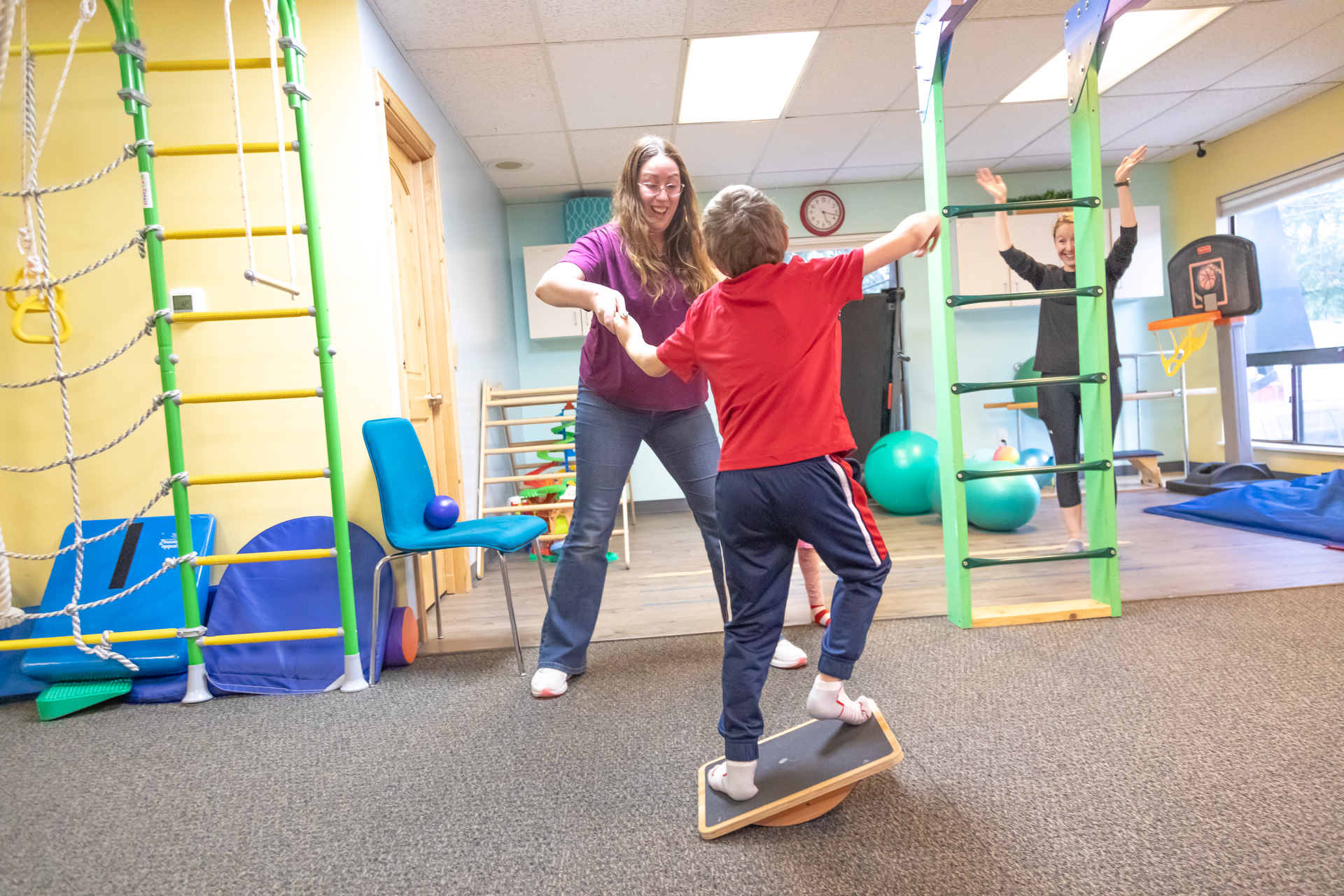
National Physical Therapy Month: How Pediatric PT Helps Children Build Strength and Confidence
Celebrate National Physical Therapy Month and learn how pediatric PT helps children build strength, confidence, mobility, and independence through play and movement.

Early Signs Your Child May Benefit from Occupational Therapy
When everyday tasks feel harder than they should, occupational therapy may help. Learn common signs involving sensory processing, emotional regulation, executive functioning, and daily routines.
.jpg)
How Parents Can Support Fall Routines with Therapy Strategies
Learn how to support fall routines with therapy-inspired strategies that help children build confidence, independence, and emotional regulation throughout the school year.

A Parent's Guide to ABA Therapy Options in Sheridan, Wyoming
Explore ABA therapy options in Sheridan, Wyoming. Learn how ABA therapy supports communication, independence, and confidence for children and families.

How to Help Your Child Transition Back to School with Confidence
Help your child transition back to school with confidence. Discover therapy-inspired back-to-school tips for families in Billings and communities across Montana and Wyoming.

