How to Choose the Right Pediatric Therapy Clinic in Billings, Montana
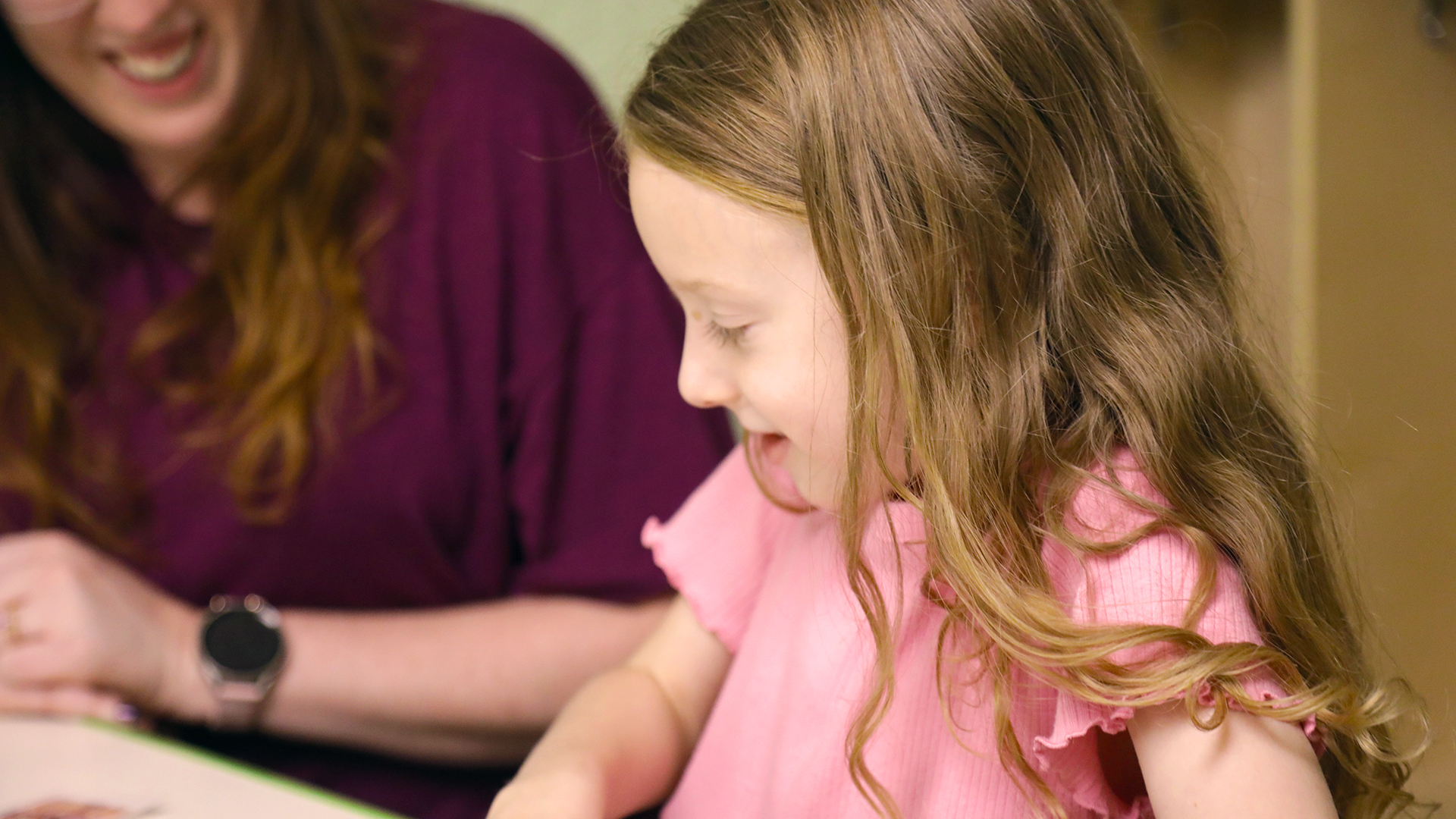

Choosing a Therapy Clinic for Your Child is a Big Decision.
You want a place that feels trustworthy, welcoming, and truly invested in helping your child grow. With several therapy options across Billings and the surrounding Montana communities, it can be hard to know where to begin.
This guide breaks down the most important things to look for so you can make a confident, informed choice for your child.
Start With Your Child’s Needs
Quick Answer: Look for a clinic that offers the specific therapies your child may benefit from, such as ABA, PT, OT, or Speech, and can explain how each one supports your child’s development.
Every child’s strengths and challenges are unique. Before comparing clinics, take a moment to identify what kind of support your child may need:
- Behavior Analysis & ABA Therapy for communication, emotional regulation, routines, and behavior
- Occupational Therapy for fine motor skills, sensory processing, and daily living skills
- Speech Therapy for communication, articulation, language development, and social interaction
- Physical Therapy for strength, balance, coordination, and mobility
A strong pediatric clinic will help you understand which services fit your child’s goals.
Look for Pediatric Expertise
Quick Answer: Choose a clinic staffed by licensed pediatric specialists and a quality support team who understand child development and have experience working with children of similar ages and needs.
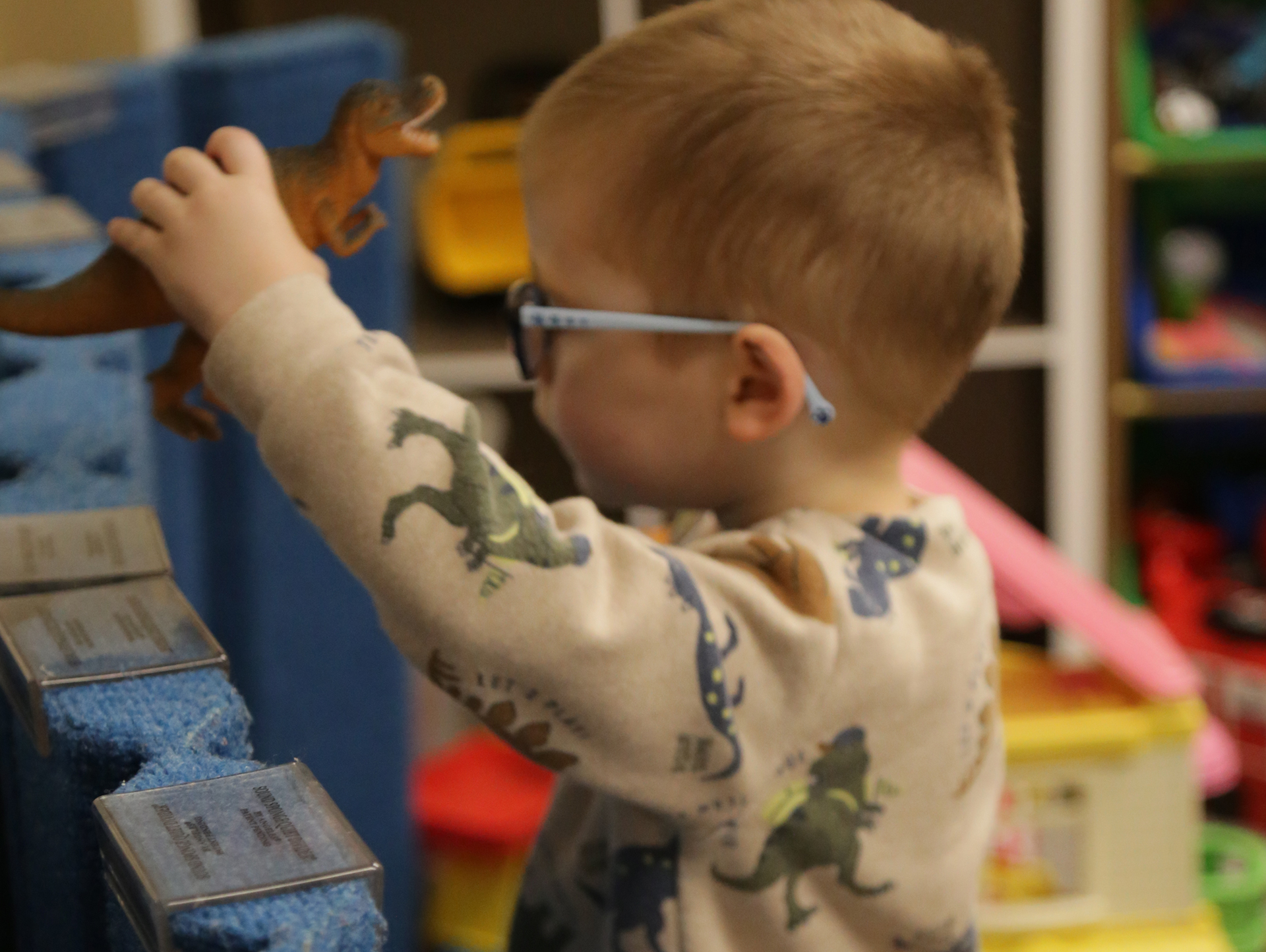
Therapy for children is different from therapy for adults. Kids learn through play, movement, and connection and their therapists should be trained to meet them at their level.
When researching clinics, look for:
- Licensed pediatric therapists in ABA, PT, OT, and Speech
- Experience with children who share your child’s challenges
- Training in sensory processing, developmental milestones, or behavior support
- A warm, encouraging communication style
Pediatric‑specific expertise helps children feel safe, understood, and motivated.
Choose a Clinic That Works as a Team
Quick Answer: Children make the most progress when therapists collaborate. Look for a clinic where ABA, OT, PT, and Speech providers communicate and align on shared goals.
Many children benefit from more than one type of therapy. When therapists work together, your child receives consistent, coordinated support.
Ask potential clinics:
- Do therapists share notes or meet to discuss progress?
- Are goals aligned across ABA, OT, PT, and Speech?
- How are parents included in the process?
A whole‑child approach leads to stronger, more meaningful growth.
Visit the Environment
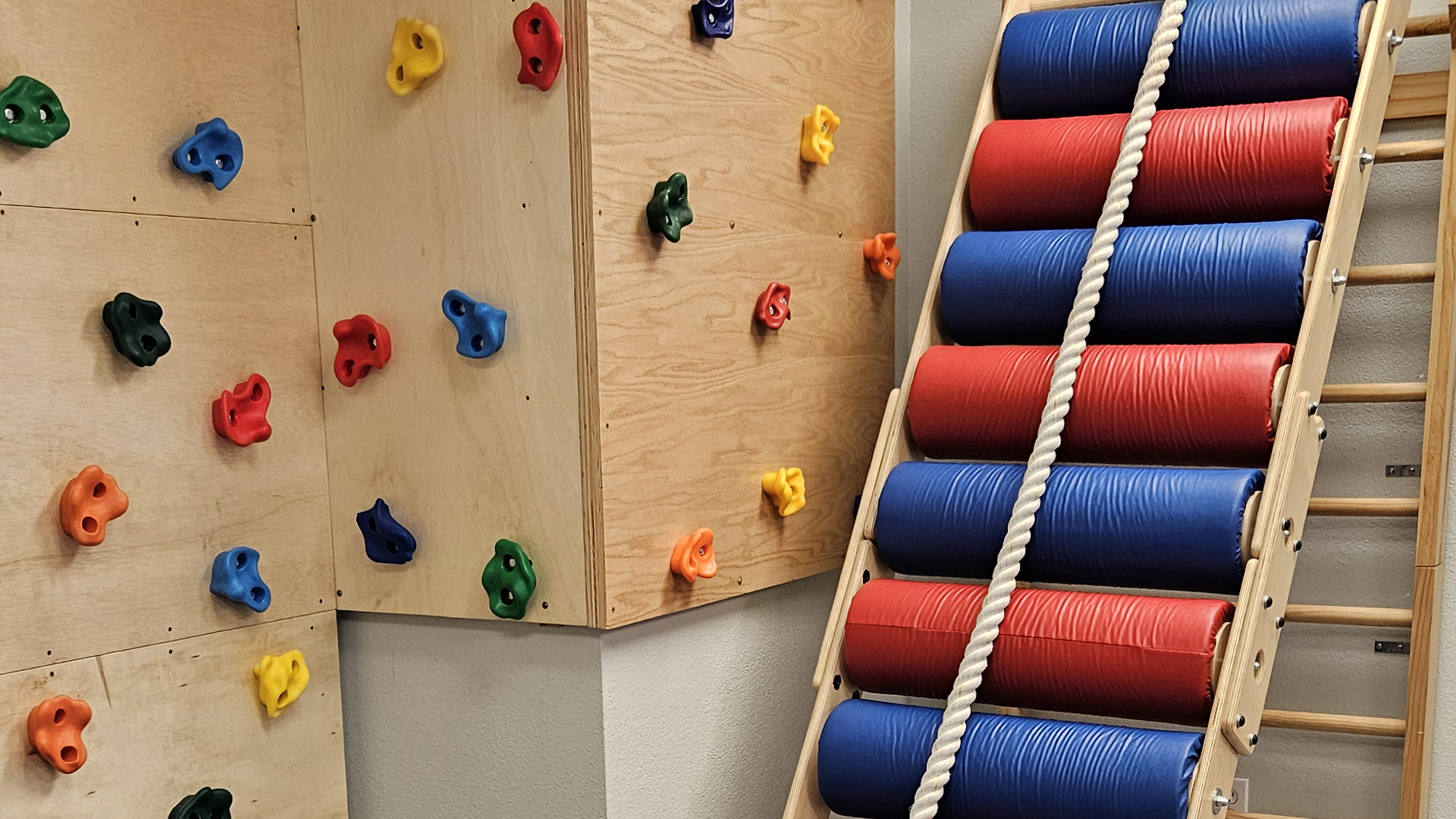
Quick Answer: A great pediatric clinic feels safe, playful, and child‑centered with spaces designed to support sensory needs, movement, and learning.
During a visit, notice:
- Is the space clean, organized, and welcoming?
- Are therapy rooms designed for kids?
- Do therapists interact with children in a warm, engaging way?
- Does the environment feel calm, playful, or sensory‑friendly?
Children thrive when they feel comfortable and supported.
Make Sure the Logistics Work for Your Family
Quick Answer: Consistency matters. Choose a clinic that offers flexible scheduling, clear communication, and support navigating insurance so therapy fits into your routine.
Even the best therapy plan won’t work if it doesn’t fit your life.
Consider:
- Location and travel time
- Scheduling availability
- Insurance support
- Session length and frequency
- How the clinic communicates between visits
A predictable routine helps children feel secure and make steady progress.
Ask How Progress Is Measured
Quick Answer: Look for a clinic that sets clear goals, tracks progress, and gives you simple strategies to support your child at home.
A strong pediatric clinic will:
- Set measurable, developmentally appropriate goals
- Provide regular updates
- Offer at‑home strategies
- Adjust the plan as your child grows
You should always feel informed, supported, and part of the team.
Quick Checklist for Choosing a Pediatric Therapy Clinic
Use this when comparing options in Billings:
- Pediatric‑trained therapists
- ABA, OT, PT, and Speech services available
- Personalized, child‑centered treatment plans
- Collaborative, whole‑child approach
- Welcoming, sensory‑friendly environment
- Flexible scheduling and insurance support
- Clear progress tracking
- Strong local reputation and reviews
Final Thoughts
Choosing the right therapy clinic is an important step in supporting your child’s growth. When you focus on expertise, environment, communication, and fit, the right choice becomes much clearer.
At Advanced Therapy Clinic, we specialize in helping children thrive through Behavior Analysis & ABA Therapy, Physical Therapy, Occupational Therapy, and Speech Therapy. If your family is exploring therapy options in Billings, MT we’d be honored to support your child’s journey.
Frequently Asked Questions About Pediatric Therapy in Billings
How long does pediatric therapy usually last?
The length of therapy varies based on your child’s goals and progress. Therapy plans are reviewed and adjusted as children grow and develop.
Can therapy help with school or daycare challenges?
Yes. Pediatric therapy often supports skills related to school readiness, transitions, communication, and behavior in classroom or daycare settings.
How often will my child attend therapy sessions?
Therapy frequency depends on your child’s needs and goals. Some children attend sessions once per week, while others benefit from multiple sessions. The care team will recommend a schedule that supports steady progress without overwhelming your family.
Will pediatric therapy fit into our family’s schedule?
A high quality pediatric therapy clinic strives to offer consistent scheduling, clear communication, and predictable routines while balancing the needs of all families served. Therapy schedules are developed thoughtfully, taking into account your child’s needs, therapist availability, and existing client schedules. Establishing a routine that fits your child’s energy levels and your family’s day to day life supports the most effective outcomes.
Recent articles
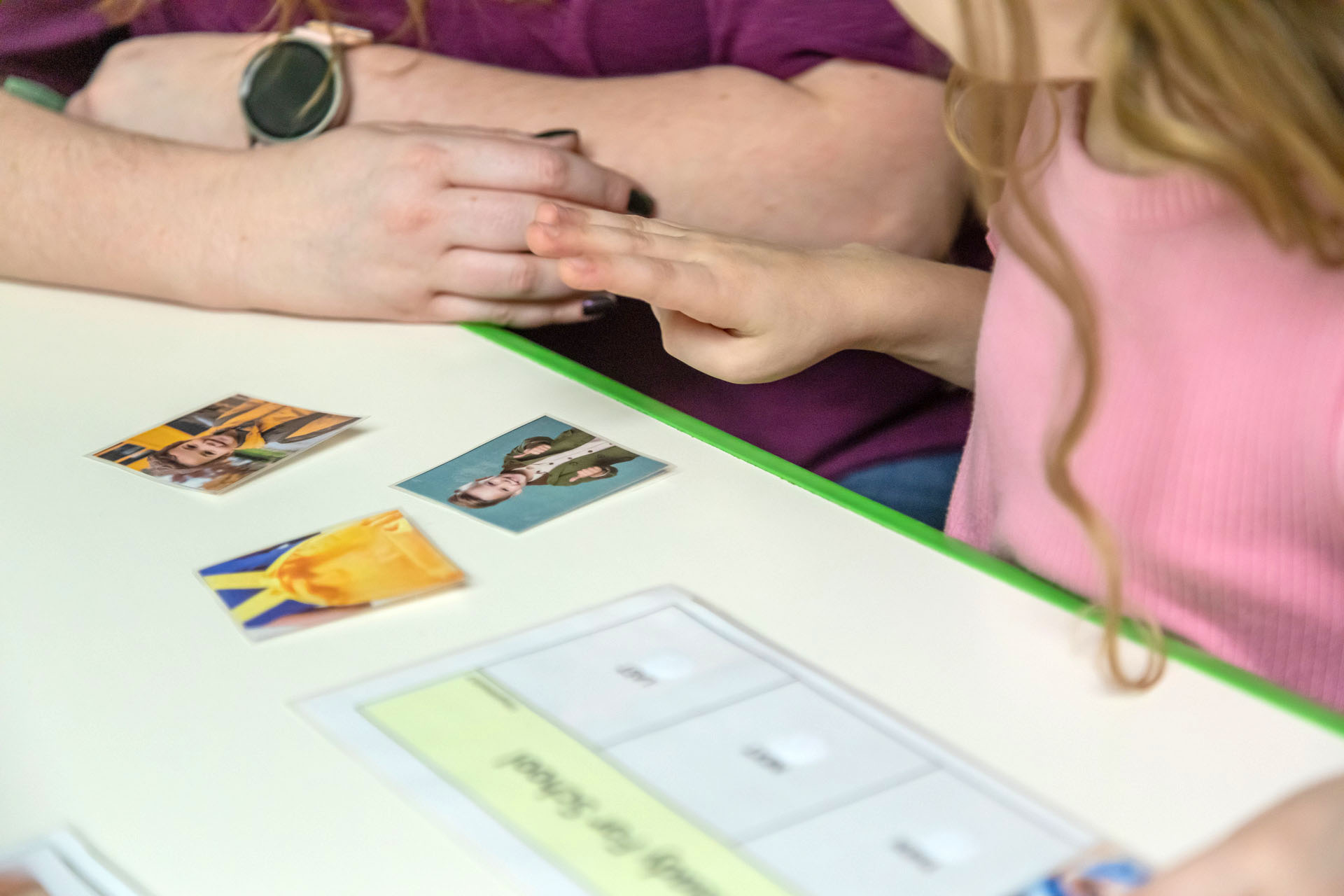
National Speech Language Hearing Month: Confidence, Connection, and Communication
Explore how speech therapy supports expressive language, social communication, early literacy, and confidence during National Speech‑Language‑Hearing Month.

Spring Activities in Montana That Support Motor and Social Development
Explore spring activities in Montana that support motor skills, social development, and family connection through play, movement, and outdoor exploration.
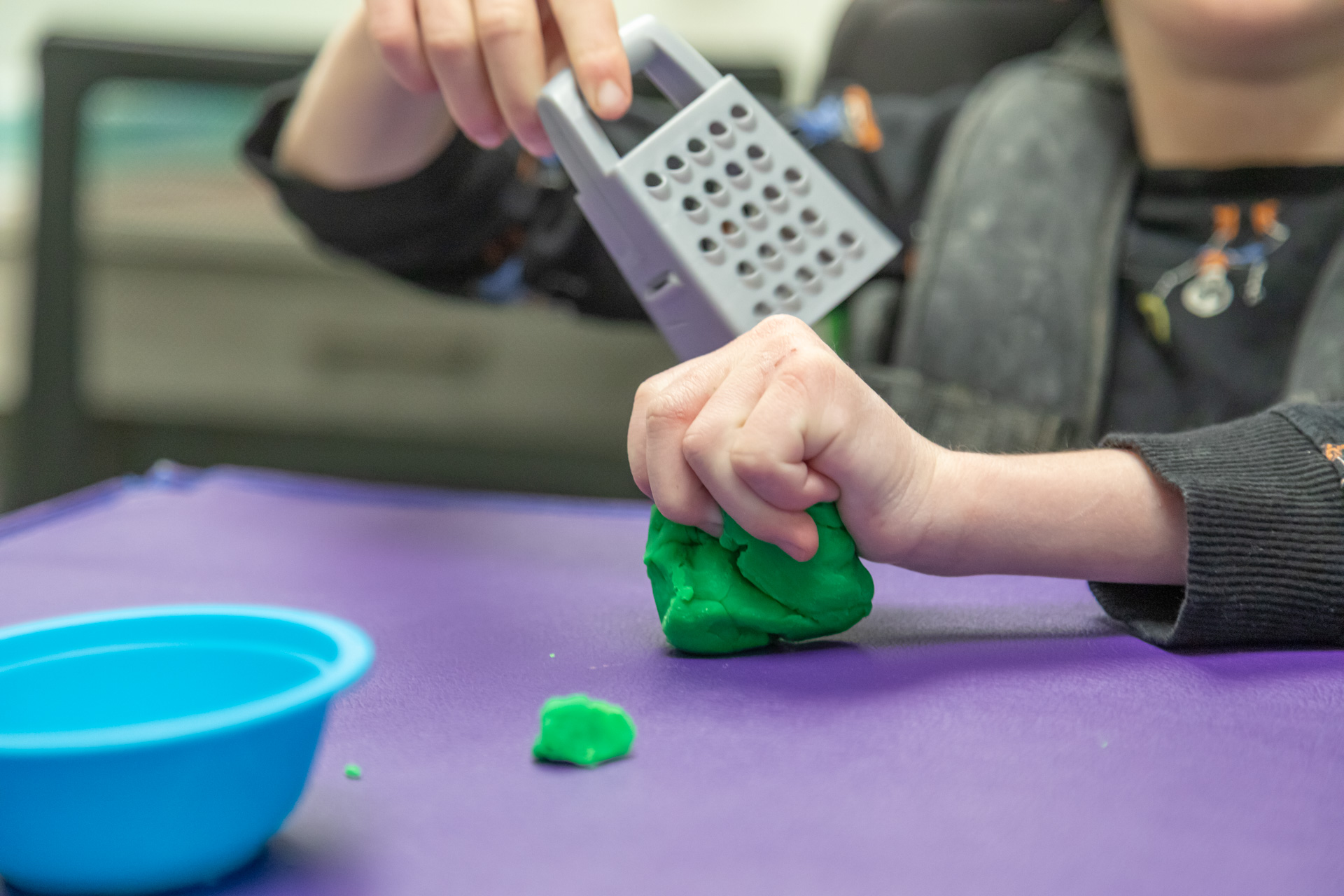
Occupational Therapy Month: Building Kids’ Confidence & Independence
Celebrate Occupational Therapy Month and explore how OT helps kids build independence, resilience, and everyday confidence, with gratitude for the team who makes it possible.

Autism Acceptance Month: Strengths, Support & Self‑Expression
Celebrate Autism Acceptance Month by exploring how autistic children grow through strengths, support, and self‑expression, with gratitude for the team who makes it possible.

How Pediatric Therapy Strengthens Family Bonds and Daily Routines
Learn how pediatric therapy brings families closer, reduces stress in daily routines, and empowers parents with tools that support their child’s progress.

Understanding the Differences Between ABA, OT, PT, and Speech Therapy
Explore how ABA, OT, PT, and Speech Therapy each help children build skills, confidence, and independence, and how to choose the right support for your family.

