How Pediatric Therapy Helps Kids Thrive across Montana and Wyoming
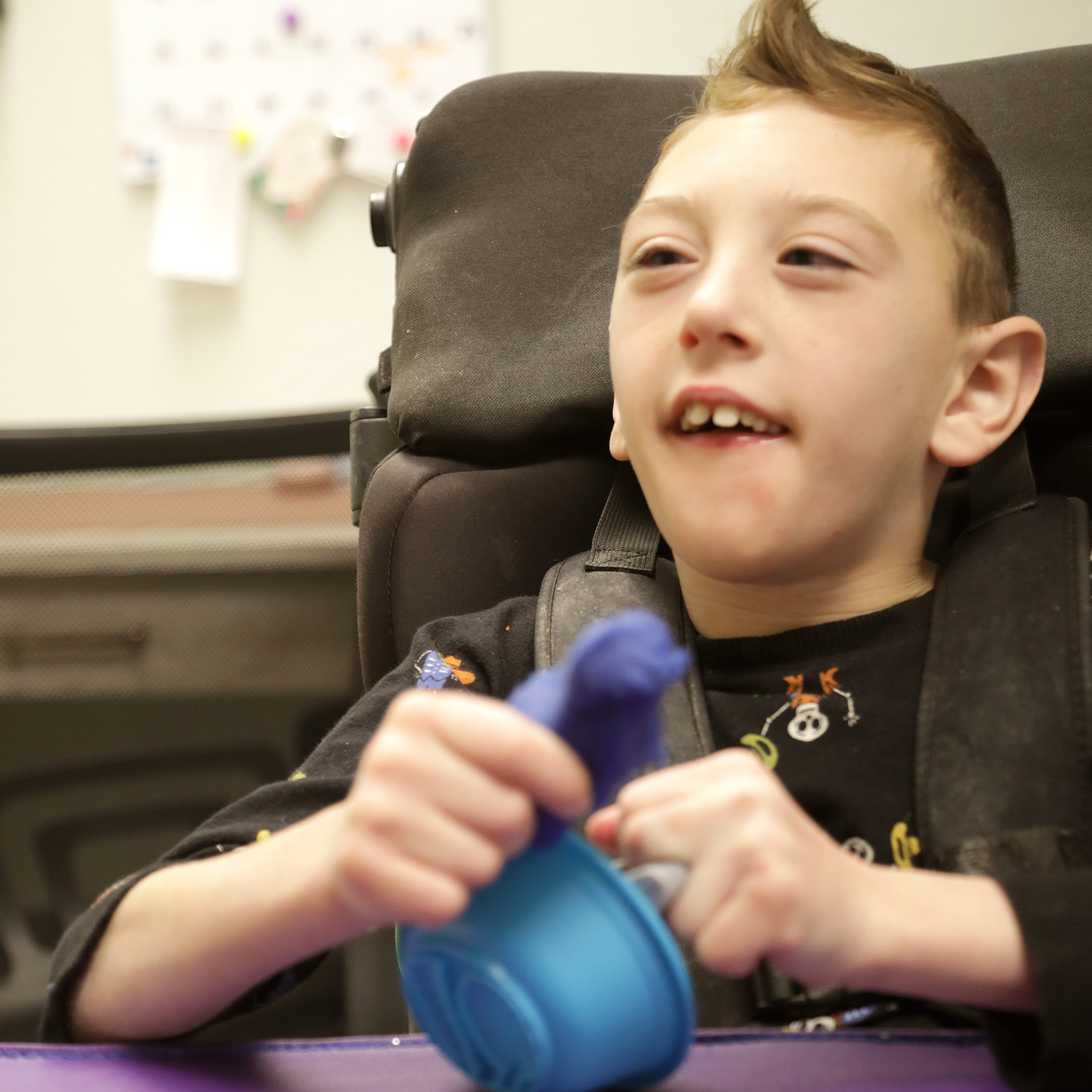

Every child grows, learns, and communicates in their own unique way.
But sometimes, kids need a little extra support to build the skills that help them thrive at home, in school, and in their community. That’s where pediatric therapy comes in.
For families across Montana and Wyoming, pediatric therapy offers a compassionate, evidence‑based path toward confidence, independence, and joyful participation in everyday life.
What Is Pediatric Therapy?
Pediatric therapy helps children build communication, movement, emotional regulation, and daily living skills through occupational therapy, speech therapy, physical therapy, and ABA therapy. Families across Montana and Wyoming use pediatric therapy to support confidence, independence, and participation at home, school, and in their communities.
Pediatric therapy includes specialized services designed to support children’s development. At Advanced Therapy Clinic, we offer a comprehensive, integrated approach through:
Occupational Therapy (OT)
Builds fine motor skills, sensory processing, self‑care abilities, and emotional regulation.
Speech‑Language Therapy
Supports communication, articulation, language development, social interaction, and confidence in expressing needs.
Physical Therapy (PT)
Strengthens gross motor skills, balance, coordination, mobility, and overall physical confidence.
Behavior Analysis & ABA Therapy
Helps children build communication, social skills, emotional regulation, daily routines, and positive behavior patterns through individualized, play‑based strategies.
Each therapy type plays a unique role in helping children grow into their strengths — and when combined, they create a powerful, whole‑child support system.
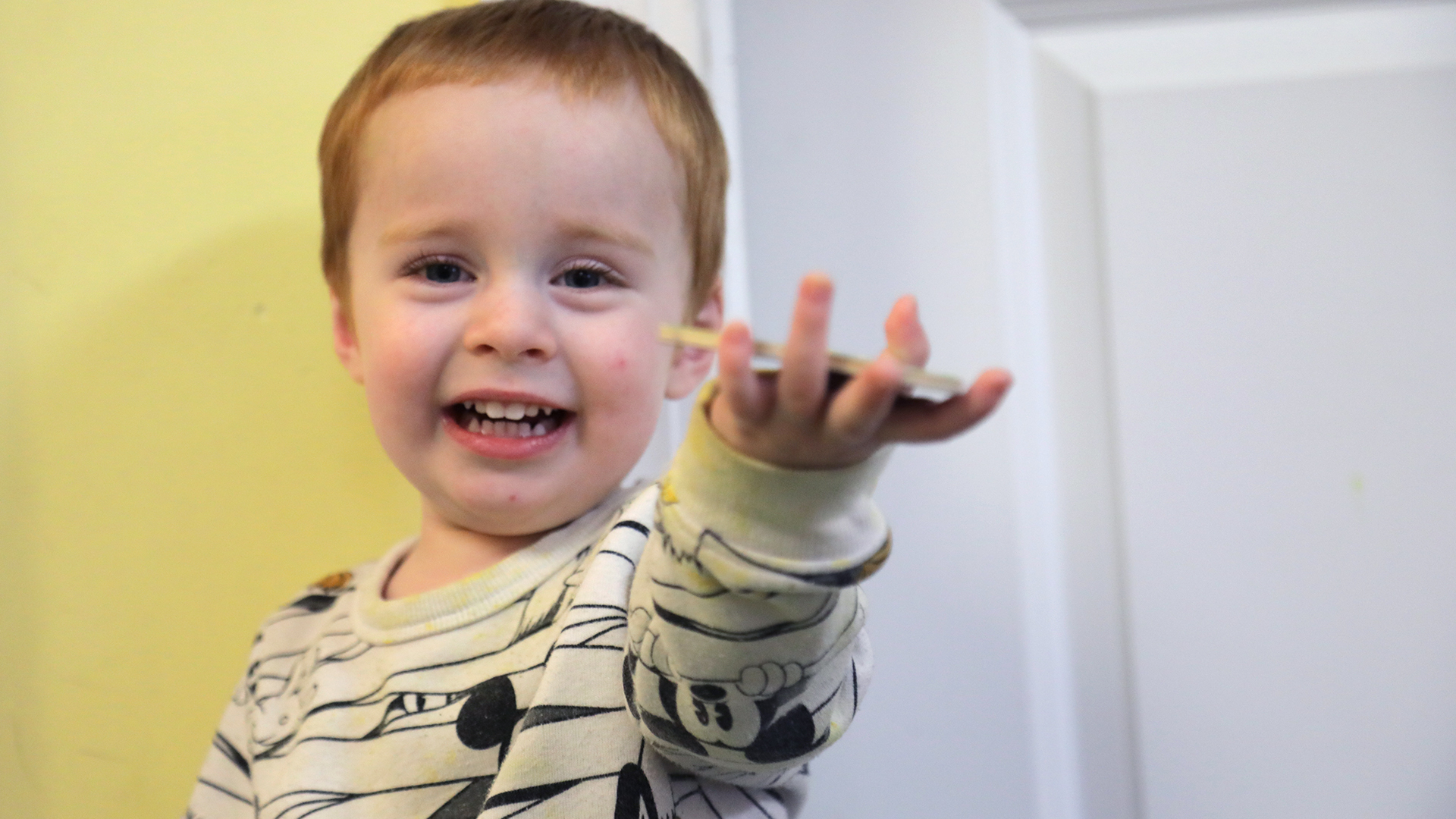
Why Early Support Matters
Children’s brains are incredibly adaptable. When challenges are identified early, therapy can:
- Improve school readiness
- Strengthen communication and social skills
- Build confidence and independence
- Reduce frustration at home and in the classroom
- Support emotional well‑being
- Help kids participate more fully in daily routines
Early intervention doesn’t just address challenges, it opens doors.
How Therapy Helps Kids in Real Life
Pediatric therapy is practical, playful, and rooted in real‑world skills. Here are a few examples of what therapy can support:
Fine Motor Skills (OT)
- Holding a pencil
- Using scissors
- Buttoning clothes
- Opening containers
Sensory Processing (OT + ABA)
- Staying calm in busy environments
- Trying new foods
- Tolerating textures, sounds, or movement
- Building emotional regulation strategies
Communication (Speech + ABA)
- Expressing needs
- Following directions
- Building vocabulary
- Engaging in conversations
- Developing social interaction skills
Gross Motor Skills (PT)
- Running, jumping, climbing
- Balance and coordination
- Strength and endurance
These skills shape a child’s confidence and independence every day.
What Makes a Great Pediatric Therapy Clinic?
Families across Montana and Wyoming often look for clinics that offer:
- A warm, child‑centered environment
- Play‑based, evidence‑driven therapy
- Experienced pediatric specialists
- Clear communication with parents
- Personalized treatment plans
- Collaboration with teachers, caregivers, and healthcare providers
- A full range of services under one roof (OT, PT, Speech, ABA)
At Advanced Therapy Clinic, we believe therapy should feel safe, joyful, and empowering, for both kids and parents.
Parents Are Part of the Journey
One of the most powerful parts of pediatric therapy is the partnership between therapists and families. Parents receive:
- At‑home strategies
- Progress updates
- Tools for supporting daily routines
- Guidance for school or daycare transitions
- Support in understanding behavior, communication, and sensory needs
When families and therapists work together, kids make meaningful, lasting progress.
Supporting Montana and Wyoming Families, One Child at a Time
Families across Montana and Wyoming value resilience, connection, and community. Pediatric therapy aligns beautifully with those values by helping children:
- Build confidence
- Strengthen relationships
- Participate more fully in school and play
- Develop lifelong skills
- Feel supported in every environment
Every child deserves the chance to thrive, and therapy can be a transformative part of that journey.
Frequently Asked Questions About Pediatric Therapy
How do I know if my child needs pediatric therapy?
If your child struggles with communication, movement, sensory processing, behavior, or daily routines, pediatric therapy may help. A professional evaluation can clarify which services are appropriate.
Is pediatric therapy only for young children?
No. Pediatric therapy supports children from early childhood through adolescence, depending on individual needs.
Can therapies be combined?
Yes. Many children benefit most when therapies like OT, Speech, PT, and ABA work together as part of a coordinated care plan.
Recent articles
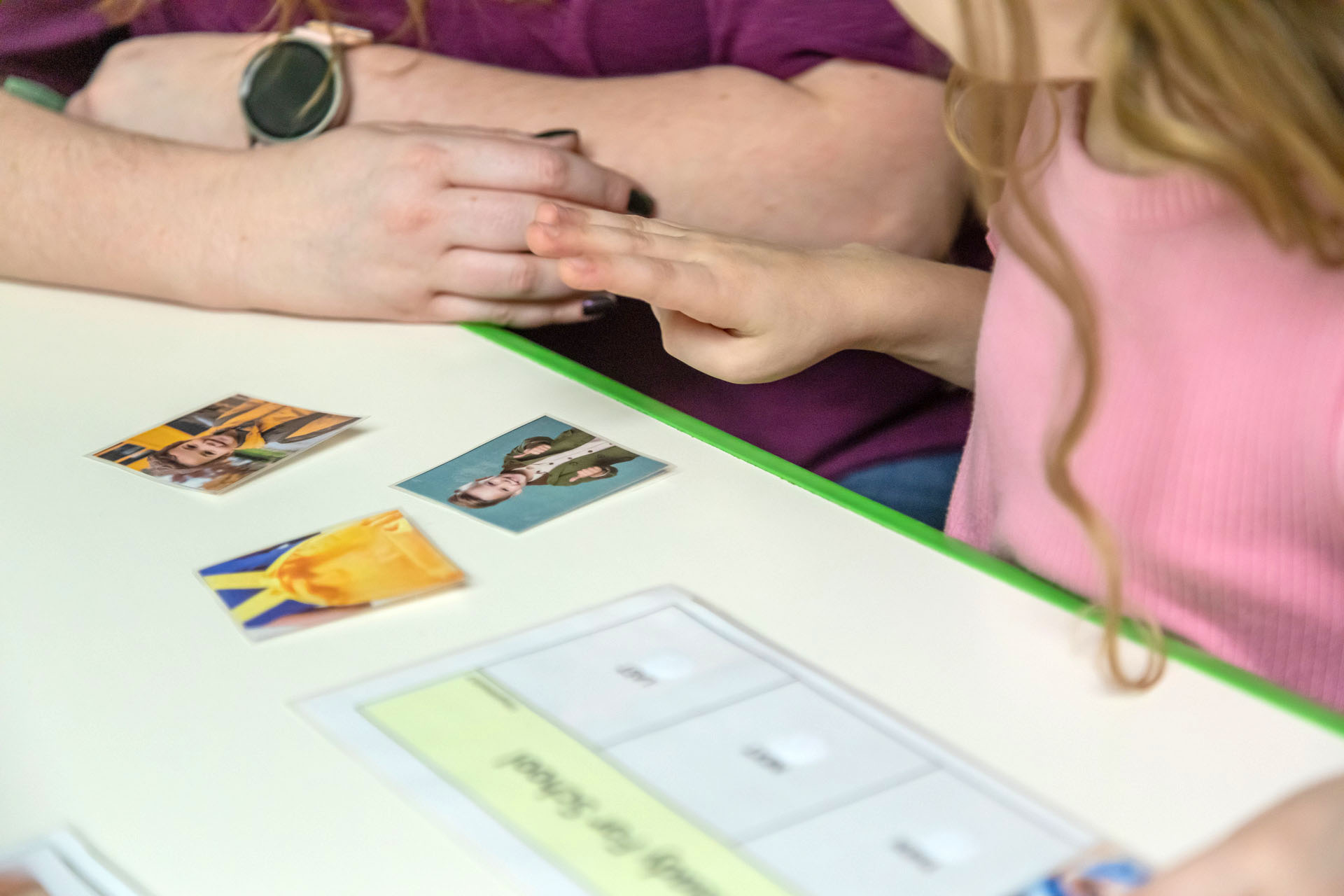
National Speech Language Hearing Month: Confidence, Connection, and Communication
Explore how speech therapy supports expressive language, social communication, early literacy, and confidence during National Speech‑Language‑Hearing Month.

Spring Activities in Montana That Support Motor and Social Development
Explore spring activities in Montana that support motor skills, social development, and family connection through play, movement, and outdoor exploration.
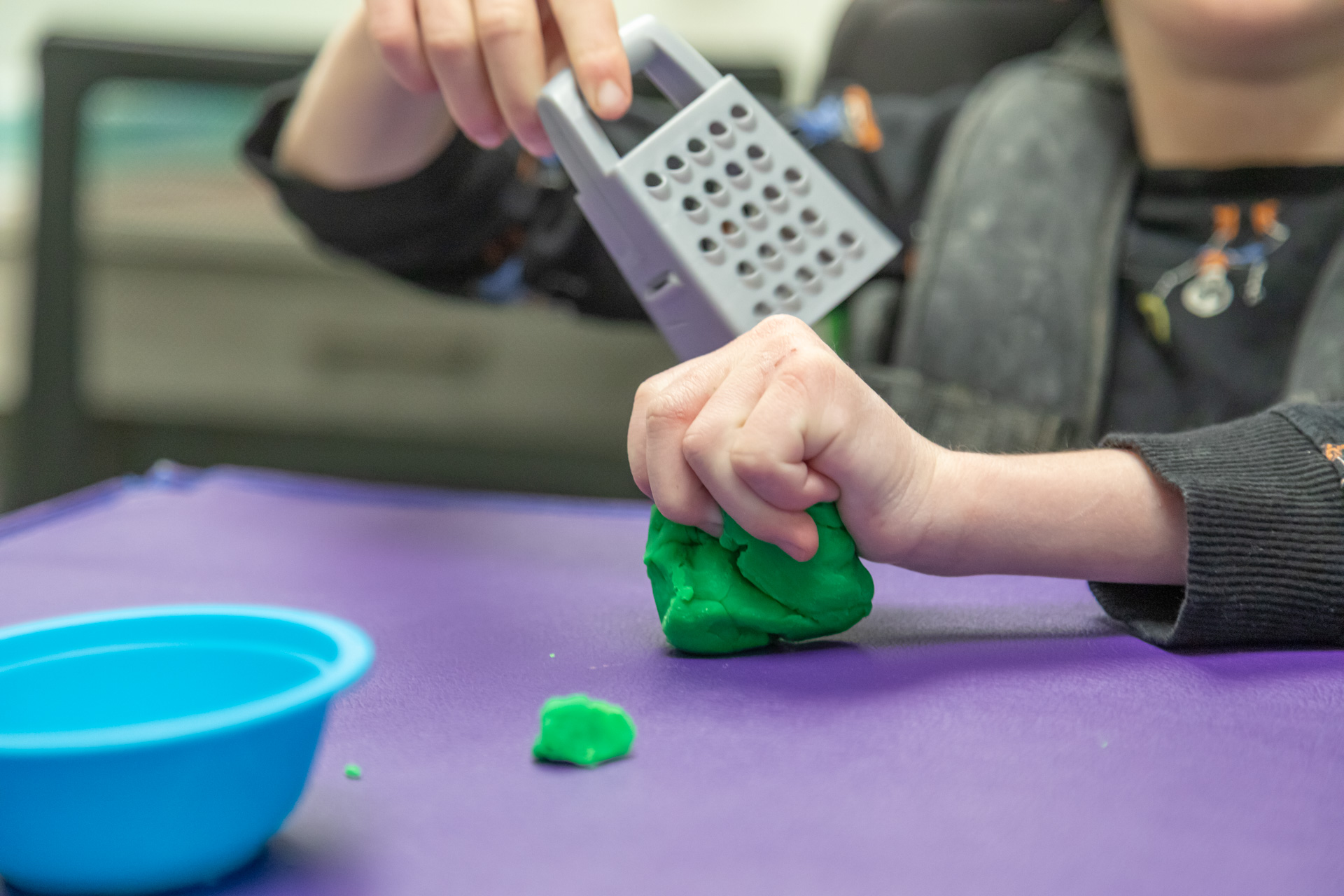
Occupational Therapy Month: Building Kids’ Confidence & Independence
Celebrate Occupational Therapy Month and explore how OT helps kids build independence, resilience, and everyday confidence, with gratitude for the team who makes it possible.
Autism Acceptance Month: Strengths, Support & Self‑Expression
Celebrate Autism Acceptance Month by exploring how autistic children grow through strengths, support, and self‑expression, with gratitude for the team who makes it possible.

How Pediatric Therapy Strengthens Family Bonds and Daily Routines
Learn how pediatric therapy brings families closer, reduces stress in daily routines, and empowers parents with tools that support their child’s progress.

Understanding the Differences Between ABA, OT, PT, and Speech Therapy
Explore how ABA, OT, PT, and Speech Therapy each help children build skills, confidence, and independence, and how to choose the right support for your family.

