What to Expect at Your First Therapy Session


Starting therapy is a meaningful step, one that often comes with a mix of hope, nerves, and questions. Whether your child is beginning occupational therapy, physical therapy, speech therapy, behavior therapy, or a combination of services, that very first session sets the foundation for a supportive, trusting relationship.
At Advanced Therapy Clinic, we want families to feel prepared, informed, and confident as they begin this journey. This guide walks you through what typically happens during a first therapy session, why each step matters, and how you can help your child get the most out of their experience.
Before the First Session: Intake, Screening, and Getting to Know Your Child
Most therapy journeys begin with an intake process. This may include paperwork, insurance authorization, and a conversation about your child’s history, strengths, challenges, and goals. Many clinics also conduct screenings or assessments before therapy officially begins.
You can expect:
- A parent or caregiver interview to learn about your child’s development, daily routines, and current concerns
- Observations of your child in natural environments (home, school, daycare) when appropriate
- In‑clinic assessments to understand your child’s skills, communication style, motor abilities, or behavior patterns
- Collaboration with other providers if your child receives additional services and you provide consent
These steps help the therapy team build a complete picture of your child, not just their challenges, but their personality, preferences, and strengths.
A Warm Welcome: Building Comfort and Connection
When you arrive for your first session, the therapist’s first priority is helping your child feel safe and comfortable. For many children, therapy is a brand‑new experience, and creating a positive first impression matters.
During this time, you may see the therapist:
- Engage your child in play or conversation
- Offer choices to help your child feel in control
- Explore toys, activities, or sensory tools together
- Move at your child’s pace, without pressure
This process is often called rapport building, and it lays the groundwork for trust. A child who feels connected to their therapist is more willing to try new things, practice challenging skills, and participate actively in sessions.
Active Participation: What Therapy Really Looks Like
Therapy for children is hands‑on, engaging, and interactive. Instead of simply talking about challenges, therapists work directly with your child to build skills through structured activities, play‑based learning, movement, or guided practice.
Depending on the type of therapy, your child may work on:
- Communication and language
- Social interaction
- Emotional regulation
- Daily living skills (toothbrushing, dressing, routines)
- Motor skills and coordination
- Sensory processing
- Behavior and coping strategies
- Safety awareness
- Academic readiness
Therapy is designed to be supportive, but it can also be challenging. Learning new skills takes effort, and sometimes progress includes moments of frustration or resistance. This is normal, and your therapy team will help you understand what to expect along the way.

Why Behavior Sometimes Gets Harder Before It Gets Better
Many families are surprised to learn that when a child begins learning new skills or unlearning old habits, behavior may temporarily intensify. This is especially common when a child has relied on certain behaviors (like tantrums or avoidance) for a long time.
This doesn’t mean therapy isn’t working, it often means your child is adjusting to new expectations and learning healthier ways to communicate or cope.
Your therapist will guide you through this process, explain what’s happening, and help you stay consistent with the plan. Open communication is essential, and you should always feel comfortable sharing concerns or asking questions.
Your Role as a Caregiver: A Key Part of the Process
Therapy is most effective when caregivers and therapists work as a team. Depending on your child’s needs and the therapy type, your involvement may look different from session to session.
You may be asked to:
- Participate in training or coaching
- Practice strategies at home
- Share updates about routines, behaviors, or progress
- Stay nearby during sessions (or step out if your presence is distracting)
- Attend regular check‑ins with the therapy team
Your insights are invaluable. You know your child better than anyone, and your collaboration helps the therapist tailor treatment in meaningful ways.
What Happens During the First Session
While every child and therapy type is unique, most first sessions include:
1. A brief check‑in with the caregiver
The therapist may ask how your child has been doing, what’s changed since intake, and what you hope to accomplish.
2. Time for your child to explore the space
This helps them feel comfortable and gives the therapist a chance to observe natural behaviors and interests.
3. Gentle assessment activities
These might include play, conversation, movement, or structured tasks depending on the therapy.
4. Rapport building
The therapist focuses on connection, trust, and positive interactions.
5. Early goal setting
You may discuss initial goals, priorities, and what progress could look like.
6. A clear plan for next steps
Before you leave, you’ll know what comes next including future sessions, caregiver involvement, and any recommendations.
Behind the Scenes: How Therapists Build a Treatment Plan
After the first session (and sometimes after several assessment sessions), the therapy team develops a personalized plan for your child. This plan may include:
- Skill‑building goals
- Behavior or coping strategies
- Communication supports
- Sensory or motor activities
- Home practice recommendations
- Collaboration with other providers
- A schedule for therapy sessions
Therapists use evidence‑based methods and ongoing data to guide decisions. As your child grows, the plan evolves with them.
Professionalism, Boundaries, and Confidentiality
Therapists work closely with families, often discussing personal topics and supporting sensitive moments. Even so, the relationship remains professional. Ethical guidelines protect your privacy, your child’s safety, and the integrity of treatment.
You can expect:
- Confidentiality, with specific legal exceptions
- Clear communication
- Respectful boundaries
- Transparency about progress and challenges
- A focus on evidence‑based practices
Your trust matters, and your therapy team is committed to honoring it.
Leaving the First Session: What You Should Take With You
By the end of your first visit, you should feel:
- Heard and supported
- Informed about your child’s needs
- Clear on the next steps
- Confident in the therapy team
- Hopeful about your child’s progress
Therapy is a journey, one filled with learning, growth, and meaningful moments. The first session is just the beginning, and your partnership with the therapy team will help your child thrive.
Recent articles

Compassionate Pediatric Therapy in Butte, Montana
A welcoming place where every child’s potential is celebrated
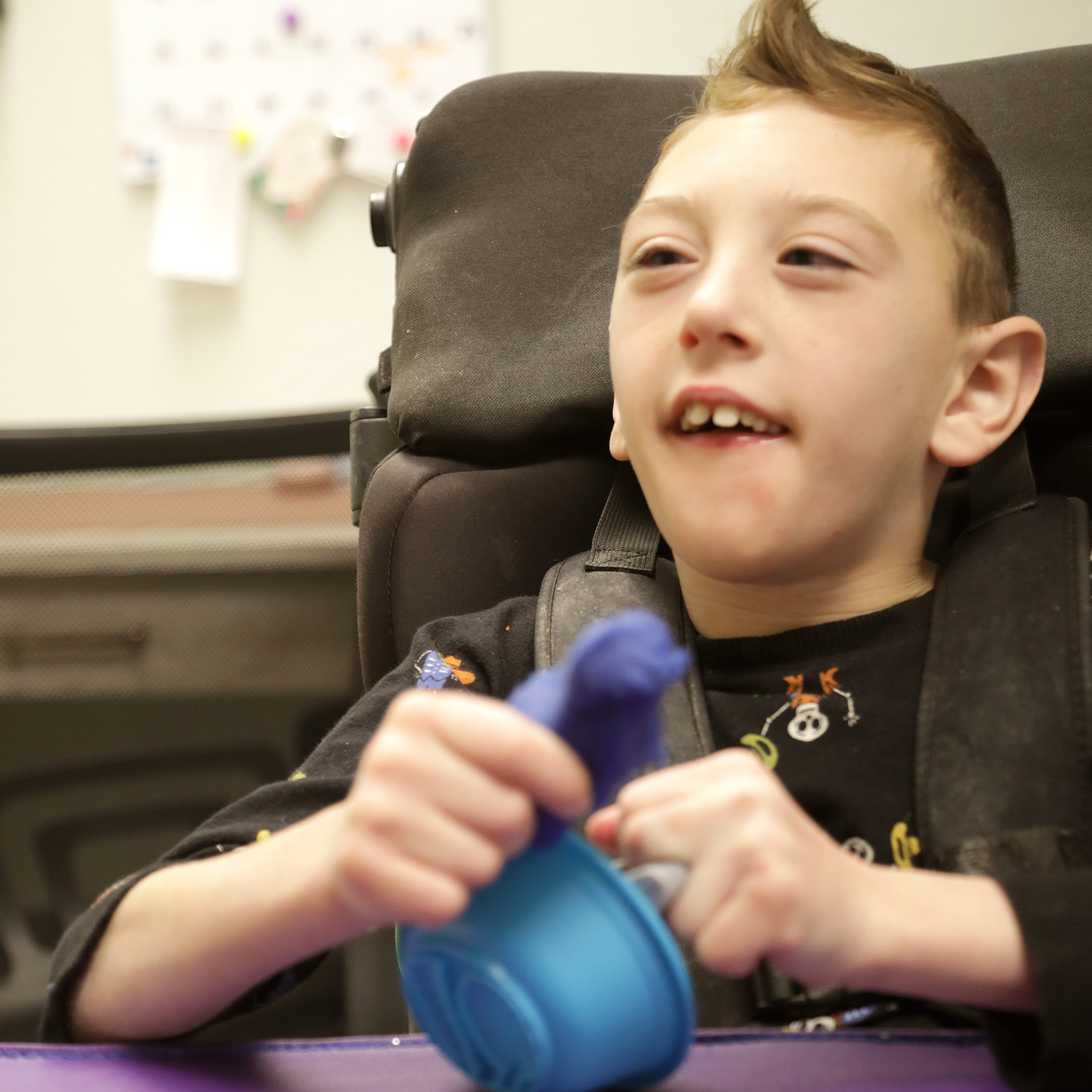
How Pediatric Therapy Helps Kids Thrive across Montana and Wyoming
A supportive guide for families exploring therapy options in Billings, Butte, Missoula or Sheridan.
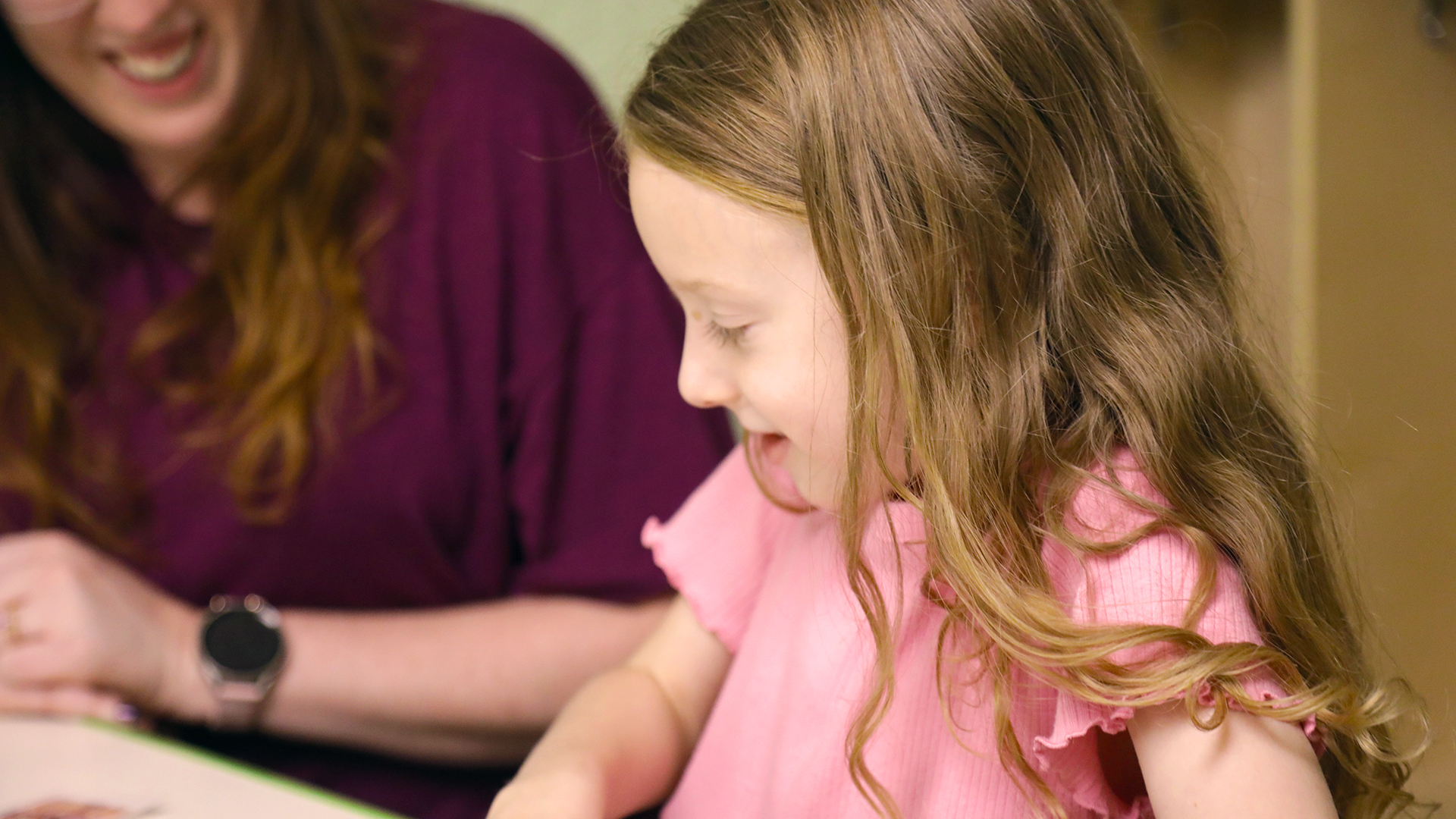
How to Choose the Right Pediatric Therapy Clinic in Billings, Montana
A Parent‑Friendly Guide To Finding The Best Support For Your Child

Expressive Speech Delay 2-Year-Old
Understanding and Addressing Expressive Speech Delay in Toddlers

How Speech Recognition Works
Unlocking the Power of Speech Recognition in Therapy and Healthcare

Autism and Head Size
Understanding the Complex Relationship Between Autism and Head Size

