Supporting Autism During Transitions
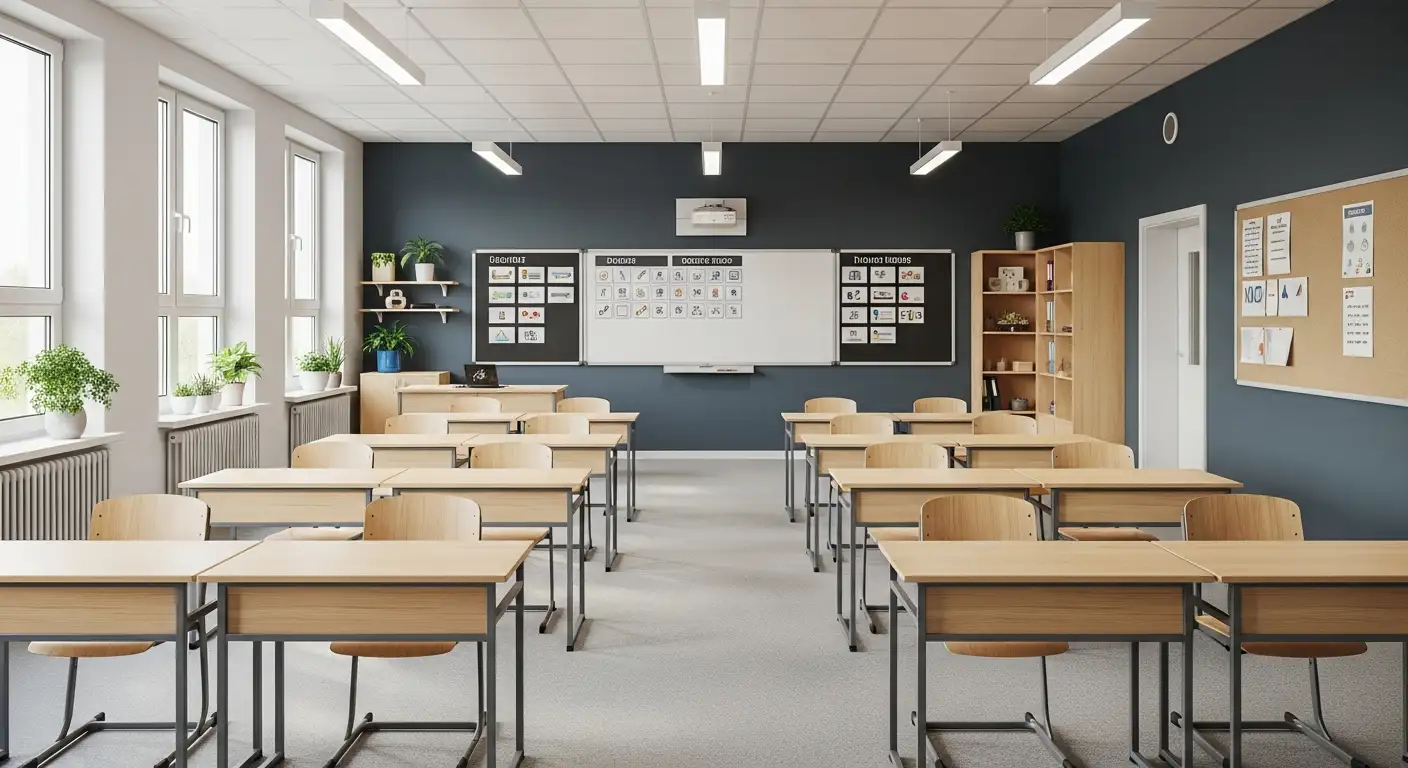

Understanding the Importance of Transition Support
Transitions, whether returning to school, moving between activities, or adjusting routines, pose significant challenges for children with autism spectrum disorder (ASD). Providing structured support can ease anxiety, reduce challenging behaviors, and foster independence. This article explores effective strategies, therapeutic approaches, and collaborative methods to support autistic individuals during transitions, enhancing their resilience and wellbeing.
Establishing Predictability and Routine Through Visual Supports

How Do Visual Calendars and Schedules Help During Transitions?
Visual calendars and schedules provide children with autism a clear outline of what to expect throughout their day. By mapping out daily routines with pictures, icons, or words, these tools make abstract concepts of time and sequence concrete and understandable. This predictability helps children anticipate upcoming activities, lessening uncertainty and stress.
What Role Do Social Stories and Transition Cards Play?
Social stories and transition cards break down upcoming changes into simple, relatable narratives or prompts. They explain new or challenging situations in straightforward terms, preparing children mentally and emotionally for what lies ahead. For example, a transition card might illustrate moving from recess back to class, gently guiding the child's understanding and actions.
How Do Timers and Countdowns Support Transitions?
Timers and countdowns serve as auditory and visual cues signaling that a change is approaching. By counting down time remaining in an activity, these tools help children adjust gradually rather than facing abrupt switches. This approach reduces surprise and builds confidence in managing transitions independently.
In What Ways Do Visual Supports Reduce Anxiety and Challenging Behaviors?
Visual supports create structure and clarity, which significantly reduce anxiety often triggered by unpredictability. When children understand upcoming expectations, their behavior typically improves, with fewer emotional outbursts and increased cooperation. Studies show that these tools decrease transition time and challenging behaviors while promoting independence.
Why Is Clarity and Predictability Important for Children with Autism?
Children with autism often face difficulty processing sudden changes or unclear instructions. Providing clarity through visual supports fosters a sense of safety and control. Predictability helps regulate sensory input and cognitive load, making transitions smoother and more manageable. Overall, these strategies empower children to navigate daily routines with greater ease and success.
Applied Behavior Analysis (ABA) and Behavioral Interventions in Transition Support

ABA Therapy Strategies for Transitions
Applied Behavior Analysis (ABA) therapy plays a critical role in helping children with autism navigate transitions effectively. By using structured, evidence-based methods, ABA focuses on establishing predictable routines through visual schedules, countdowns, and verbal cues. These strategies reduce anxiety by providing clear expectations and promoting smoother transitions between activities or settings.
Breaking Transitions into Smaller Steps
One effective approach in ABA involves breaking complex transitions into smaller, manageable steps. This incremental process helps children build confidence and experience success at each stage, making the overall change less overwhelming. Gradual progression encourages positive learning and skill acquisition during the transition.
Positive Reinforcement Techniques
Positive reinforcement is a cornerstone of ABA therapy for transitions. Therapists use praise, stickers, or access to preferred toys to reward successful navigation of transition phases. By linking positive outcomes to the transition process, these reinforcements motivate children, helping to create a positive association and reducing challenging behaviors.
Teaching Flexibility and Resilience
ABA therapy also emphasizes teaching flexibility to adapt to changes in routines and unexpected situations. Creating structured learning opportunities fosters resilience by preparing children emotionally and behaviorally for transitions, encouraging adaptability and reducing anxiety related to change.
Examples of Specific Behavioral Interventions
Several tailored behavioral interventions build upon ABA principles to support transition skills:
- Early Intensive Behavioral Intervention (EIBI): Focuses on early childhood development using intensive behavioral techniques.
- Early Start Denver Model (ESDM): A comprehensive approach integrating behavioral and developmental strategies.
- Joint Attention, Symbolic Play, Engagement, and Regulation (JASPER): Targets social communication and play skills.
- Pivotal Response Treatment (PRT): Enhances motivation and self-management.
- Treatment and Education of Autistic and Communication-Handicapped Children (TEACCH): Uses structured teaching tailored to individual needs.
These interventions complement ABA therapy by addressing specific developmental domains essential for successful transitions, such as communication, social interaction, and behavior regulation.
Early Intervention and Specialized Therapies for Building Transition Skills

Early Interventions Before Age 3
Early intervention therapies, such as Early Intensive Behavioral Intervention (EIBI) and the Early Start Denver Model (ESDM), typically begin before the child turns three. These programs focus on cultivating communication, socialization, and behavioral skills essential for managing transitions effectively. Starting interventions early lays a strong foundation that supports smoother changes in routine and environment as children grow.
Focus on Communication, Socialization, and Behavior
Both EIBI and ESDM emphasize improving communication and social engagement alongside behavior management. By enhancing these areas early, children with autism develop the skills needed to understand and adapt to new activities or settings, which reduces anxiety and challenging behaviors during transitions.
Role of Speech-Language Therapy in Transitions
Speech-language therapy plays a crucial role in transition periods by building essential communication skills. It helps children learn functional phrases, express emotions effectively, and use augmentative and alternative communication (AAC) devices when needed. These supports enable clearer interaction with peers and adults, easing the process of adapting to new routines or environments.
Occupational Therapy for Sensory Integration and Daily Living Skills
Occupational therapy focuses on developing daily living skills and addressing sensory integration challenges. Through tailored interventions, this therapy supports children in managing sensory sensitivities and promotes independence, which is important when navigating changes like starting school or switching activities.
Physical Therapy for Motor Skills Relevant to Transitions
Physical therapy enhances gross motor skills, balance, and coordination, which are often necessary for participating in school activities or community settings. Improving these motor skills helps children move confidently and safely during transitions between classrooms, playgrounds, or other environments.
Collaboration with Schools and Preparing for the Academic Environment

Communicating Child's Needs to Teachers and Staff
Open communication between parents, therapists, and school personnel is essential. Sharing detailed information about the child's strengths, challenges, sensory sensitivities, and effective reinforcements helps teachers tailor support. This collaboration ensures the child receives consistent care and promotes a positive learning environment.
Touring the School and Meeting Key Personnel
Familiarizing the child with the school environment before the academic year starts can reduce anxiety. Visiting classrooms, playgrounds, and hallways introduces the physical setting. Meeting key staff such as teachers, aides, and bus drivers helps build rapport and trust, creating a smoother transition.
Allowing Sensory Items and Familiarization
Permitting sensory tools like weighted blankets, noise-cancelling headphones, or fidget toys supports sensory regulation. Bringing these familiar items on the bus and to school offers comfort, helping the child remain calm and engaged throughout the day.
Preparation for Emergency Procedures Like Fire Drills
Practicing safety procedures such as fire drills is vital. Pre-teaching what to expect and rehearsing the steps reduces overwhelm during actual emergencies. This preparation fosters the child’s sense of security and builds adaptive skills.
Expressing Gratitude to School Staff to Foster Cooperation
Recognizing and appreciating the efforts of educators and support staff builds positive relationships. Expressing thanks encourages ongoing collaboration, reinforces teamwork, and creates a supportive environment for the child’s success.
Social Skills Training and Peer-Mediated Supports During Transitions

What is group social skills training and why is it important?
Group social skills training involves teaching children with autism to engage with peers through structured sessions. These trainings focus on developing abilities such as initiating conversations, understanding social cues, and responding appropriately in various social situations. Engaging in group settings provides a safe space to practice these skills, especially critical during transition periods when social environments change.
How do children with autism learn peer interaction and nonverbal cues?
Children learn peer interaction through role-playing, modeling, and direct instruction during social skills training. Nonverbal cues like eye contact, facial expressions, and body language are emphasized using examples and repetition. Visual supports and video modeling often aid in making these abstract concepts clearer and help children anticipate social expectations.
What strategies are used for bullying management?
Social skills groups also address bullying by teaching children to recognize bullying behaviors and assert themselves effectively. Role-playing scenarios equip children with responses to various social challenges. Additionally, peer-mediated approaches involve educating classmates to foster a supportive environment, lowering the chances of bullying during vulnerable transition times.
How do peer support and mentoring reduce loneliness?
Peer support and mentoring programs pair children with autism and neurotypical peers to encourage friendship and inclusion. These initiatives reduce feelings of isolation by promoting social engagement and community participation. Mentors provide companionship and model positive social interactions, which are especially beneficial when adjusting to new school settings or routines.
What role do caregiver and family-mediated interventions play?
Caregivers and family members are trained to reinforce social skills at home and in everyday situations, providing consistency outside therapy sessions. These interventions empower families to guide children through transitions by practicing social scenarios, offering encouragement, and collaborating with educational teams to tailor supports.
Together, these approaches create a comprehensive network of support, promoting smoother social transitions and improving overall well-being for children with autism.
Technology's Role in Supporting Autism Transitions
How do assistive communication devices and AAC support transitions for individuals with autism?
Assistive communication devices and augmentative and alternative communication (AAC) tools enhance the ability of individuals with autism to express functional phrases and emotional needs. These technologies provide critical support during transition periods by enabling clearer communication with peers, teachers, and caregivers, which can reduce anxiety and promote independence.
What role do communication apps play in facilitating transitions?
Communication apps designed for autistic individuals focus on functional language and emotional expression. These apps often offer customizable features and visual supports, helping users prepare mentally for upcoming changes or new routines. Such apps also encourage self-advocacy and can be integrated into daily transition strategies to increase predictability.
How are AI, virtual reality, and robot-assisted therapy used in transition support?
Innovative technology-based interventions including AI, virtual reality (VR), and robot-assisted therapy are gaining evidence as effective tools to improve social skills, emotion regulation, and vocational readiness. For example, VR simulations allow users to practice navigating new social settings or routines safely. Robot-assisted therapy provides interactive learning opportunities that boost flexibility and resilience during changing environments.
How has telehealth and tele-diagnostic tools improved access to autism services?
Telehealth platforms and diagnostic tools like TELE-ASD-PEDS have enhanced early and timely diagnosis, especially in underserved or rural populations. Remote services enable more consistent therapy delivery and monitoring, allowing families to access support from home. This accessibility reduces delays in intervention which is crucial to managing transitions successfully.
In what ways do technology-based interventions support social and vocational skills?
Programs incorporating technology focus on real-world applications, such as job coaching, social interaction practice, and emotional self-regulation. These tools can simulate workplace scenarios or social cues, providing repeated, low-pressure learning experiences. They also empower autistic individuals by fostering independence through personalized, engaging platforms.
| Technology Tool | Purpose | Benefits in Transitions |
|---|---|---|
| Assistive Communication Devices | Enhancing verbal and nonverbal communication | Reduces anxiety, improves self-expression |
| Communication Apps | Functional language and emotional expression | Supports predictability, facilitates mental preparation |
| AI & Virtual Reality | Social skills and emotion regulation | Safe, immersive practice environments |
| Telehealth & TELE-ASD-PEDS | Remote diagnosis and therapy delivery | Increases access, promotes timely intervention |
| Robot-Assisted Therapy | Interactive skill-building | Engaging, supports adaptability and flexibility |
Addressing Sensory and Environmental Needs to Facilitate Smooth Transitions
How does sensory integration therapy support autism transitions?
Sensory integration therapy plays a crucial role in helping children with autism manage sensory sensitivities during transitions, such as returning to school. This therapy focuses on developing the ability to process and respond to sensory information more effectively, supporting participation in daily activities.
Why is allowing sensory items important during transitions?
Allowing children to have familiar sensory items like fidget toys or weighted blankets can provide comfort and reduce anxiety associated with new or unpredictable environments. These items serve as calming tools that help manage sensory overload and improve focus during transitions.
What environmental modifications help reduce sensory overstimulation?
Adjusting the physical environment is key to preventing sensory overload. This can include:
- Using softer lighting to reduce glare
- Minimizing loud noises or providing noise-cancelling headphones
- Creating quiet zones or calm spaces within classrooms
- Organizing spaces to avoid clutter and visual distractions
Such modifications create a predictable and calming setting that eases behavioral challenges.
How can transportation modifications enhance safety and independence?
Transportation adjustments such as meeting the bus driver beforehand and allowing familiar sensory tools during the ride help reduce stress. Clear communication about routines and providing visual or verbal cues during transit promote a safer and more predictable experience for the child.
Why is adjusting schedules and activities based on individual sensory profiles necessary?
Every child with autism has unique sensory needs. Tailoring schedules and activities to accommodate these needs—such as incorporating sensory breaks or flexible timing—supports smoother transitions. Personalizing the routine fosters greater independence and minimizes anxiety linked to sensory sensitivities.
| Strategy | Description | Impact on Transitions |
|---|---|---|
| Sensory Integration Therapy | Enhances sensory processing abilities | Supports comfort during changes |
| Sensory Items | Familiar objects to soothe sensory overload | Reduces anxiety and improves focus |
| Environmental Modifications | Adjustments to lighting, noise, visual stimuli | Creates calming spaces to prevent overwhelm |
| Transportation Modifications | Familiarization and sensory supports during transit | Increases safety and predictability |
| Customized Scheduling | Incorporating sensory needs into daily routines | Promotes independence and decreases anxiety |
Supporting Mental Health and Well-being Through Transition Periods
How do mental health services support individuals with autism during transitions?
Mental health services are crucial for helping individuals with autism manage the emotional challenges that often accompany transitions. Trauma-informed care and cognitive behavioral therapy (CBT) are commonly used approaches that provide coping strategies and emotional regulation skills. These therapies address the heightened anxiety and stress that can arise with changes in routines or environments.
What support exists for co-occurring conditions such as anxiety and depression?
Many individuals with autism experience co-occurring conditions like anxiety and depression, especially during periods of transition. Targeted mental health interventions help manage these issues alongside autism-related needs. Early recognition and tailored treatment plans contribute to improved overall well-being and smoother adjustment during transitions.
Why is respite care important for caregiver well-being?
Respite care provides essential breaks for caregivers, reducing stress and burnout. While access can be challenging, in-home caregiving and respite services enable caregivers to recharge and maintain their capacity to support their children effectively. This support indirectly benefits individuals with autism by promoting a healthier family environment.
How do family- and participant-directed supports enhance personalized care?
Personalized care is enhanced through family- and participant-directed supports, which tailor interventions to the unique preferences and needs of individuals and their families. Such approaches increase satisfaction and reduce unmet needs, ensuring care plans are relevant and responsive during transition periods.
In what ways do empowerment, education, and advocacy training contribute to well-being?
Empowerment and education help individuals and families build self-advocacy skills and community engagement, fostering independence and confidence. Advocacy training promotes culturally grounded approaches and supports navigating complex systems, ensuring access to appropriate services and resources during transitions.
Comprehensive Approaches for Lifespan Transition Support
Healthcare transition from pediatric to adult services
Transitioning from pediatric to adult healthcare is a critical phase for individuals with autism. Healthcare transition services are designed to improve continuity of care, ensuring that adults receive appropriate medical support as they age. These services facilitate communication between healthcare providers and prepare individuals and families for new care environments.
Vocational and employment support
Vocational services such as job coaching, apprenticeships, and employment support programs play a vital role in enhancing independence and work success for adults with autism. These tailored services focus on building workplace skills, social communication, and adapting to new environments, which contribute to better employment outcomes.
Housing and community living assistance
Housing support addresses challenges related to community living and homelessness among adults with autism. Customized assistance ranges from finding accessible housing to support with daily living skills. These services aim to promote independence and improve quality of life within community settings.
Family and systems navigation services
Families and caregivers often require guidance to access appropriate resources. Family and systems navigation services help reduce disparities by linking families—especially those underserved—with suitable interventions and supports. These services also enhance caregiver well-being and empowerment.
Recreational and complementary therapies supporting overall well-being
Recreational therapies, such as sports and active games, are instrumental in improving social, motor, and emotional skills. Complementary therapies—including animal-assisted therapy, music, mindfulness, and art—offer additional behavioral and emotional health benefits. While promising, these approaches require further research to fully establish their efficacy.
These comprehensive supports contribute meaningfully to the lifelong developmental and well-being needs of individuals with autism, helping them successfully navigate various life transitions.
Building Confidence and Independence Through Thoughtful Transition Support
Supporting individuals with autism during transitions requires multifaceted approaches tailored to their unique needs. Incorporating structured visual supports, specialized therapies like ABA, early intervention, collaborative school planning, technology, and sensory accommodations fosters smoother adjustments and reduces anxiety. Additionally, addressing mental health, caregiver support, and preparing for life-stage transitions enhances overall well-being. Through careful planning, positive reinforcement, and community support, autistic individuals can develop resilience and confidence to navigate life's many changes with greater ease and independence.
References
Recent articles

Autism Stimming Behaviors
Understanding the Complex World of Autism Self-Regulation

The Benefits of Occupational Therapy for Enhancing Attention to Task
Enhancing Focus and Engagement in Children Through Occupational Therapy

What Is Virtual Autism
Unveiling the Symptoms, Causes, and Prevention of Virtual Autism

ICD-10 Code For Autism
Understanding the ICD-10 Classification for Autism Spectrum Disorder

Handwashing & Showering To Kids With Autism
Empowering Autism Through Hygiene Learning Strategies

How ABA Therapy Can Improve Classroom Behavior
Transforming Learning Environments with Evidence-Based Interventions

