Occupational Therapy in Autism
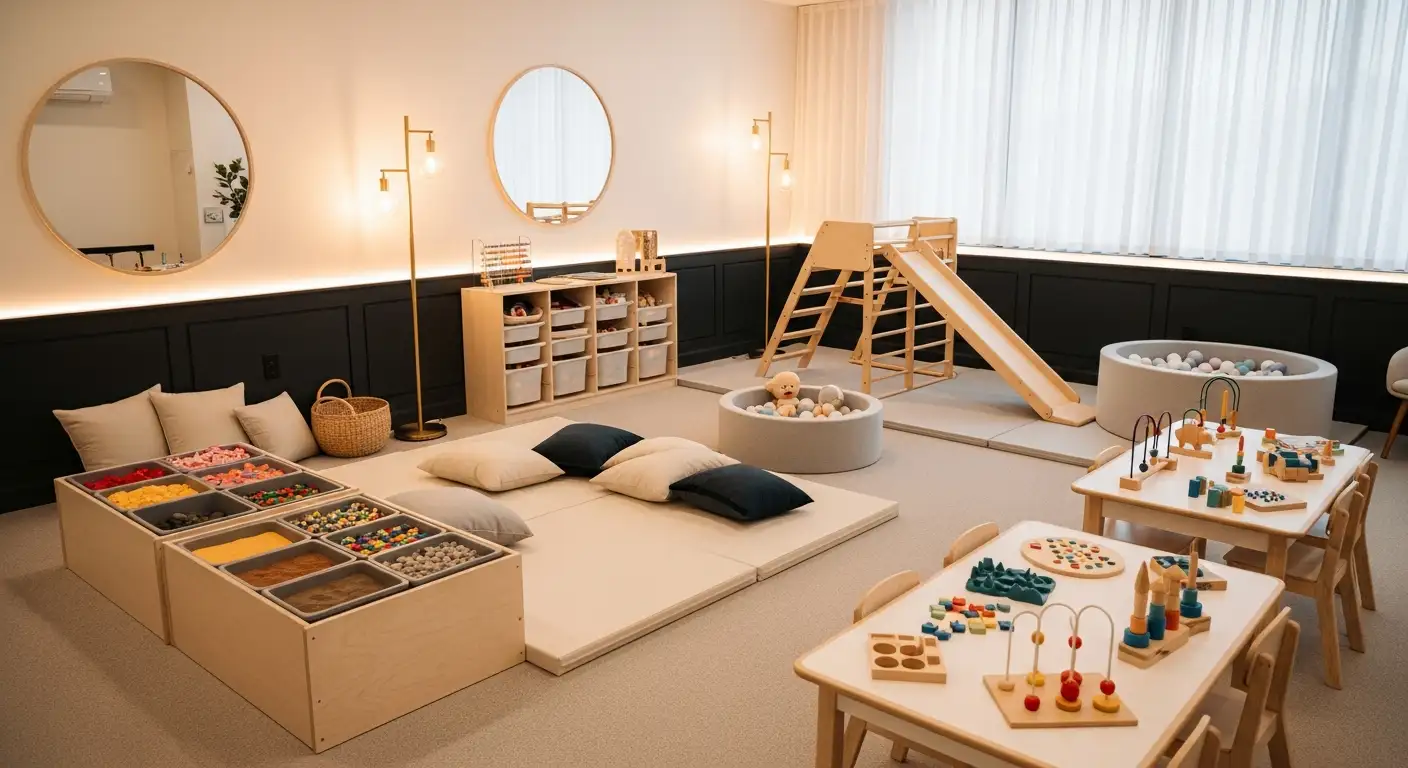

Understanding Occupational Therapy's Vital Role in Autism Spectrum Disorder
Occupational therapy (OT) plays a crucial role in supporting individuals with autism spectrum disorder (ASD) by focusing on the development of practical daily living skills. Unlike other therapies that may center on behavioral modification or communication alone, OT provides personalized interventions aimed at improving sensory processing, motor skills, and functional independence. This article explores how occupational therapy integrates with other modalities, addresses sensory challenges, and fosters holistic growth for children with autism.
Fundamentals of Occupational Therapy in Autism
What is the role of occupational therapy in autism?
Occupational therapy (OT) plays a crucial role in helping children with autism build practical skills that enhance their quality of life both at home and school. The therapy focuses on enabling children to engage in everyday activities that provide purpose and meaning. OT supports the development of daily living skills including personal hygiene, dressing, and social interactions. Using tools like visual schedules, hands-on activities, fun songs, and adaptive equipment, therapists address fine and gross motor skills as well as self-care routines to foster independence.
How are OT intervention plans tailored for children with autism?
Intervention plans in OT are individualized and carefully designed based on a thorough observation of the child's abilities across multiple domains. These include social, communication, cognitive, sensory, and motor skills. By assessing the unique strengths and challenges in these areas, occupational therapists create personalized plans that offer targeted support. This ensures that therapy addresses the specific needs of each child, promoting growth and improved functioning in everyday life.
What domains are assessed in occupational therapy for autism?
Occupational therapy evaluates a range of domains to inform its tailored approach. Key areas considered include sensory processing, motor coordination, communication skills, cognitive functioning, and social interaction. OT also focuses on executive functioning skills such as concentration, organization, planning, and decision-making. Through techniques like sensory integration therapy and activity-based exercises, OT helps children regulate sensory input and improve their ability to participate effectively in daily activities.
By combining individualized assessment and practical skill-building, occupational therapy offers comprehensive support to children with autism, enhancing their independence and overall development.
Sensory Integration and Processing in Occupational Therapy

Sensory Challenges in Autism
Many children with autism spectrum disorder (ASD) experience sensory processing difficulties. These challenges can include over- or under-sensitivity to sounds, textures, lights, or movement. Such sensitivities may result in sensory overload, leading to distress and behavioral challenges that impact daily functioning.
Sensory Integration Therapy
Occupational therapy addresses these issues through sensory integration therapy, a targeted approach that uses controlled sensory activities to help children better process and respond to sensory information. This therapy aims to improve their ability to tolerate and manage sensory input, which can enhance focus, behavior, and social engagement.
Use of Sensory Diets
A sensory diet is a personalized daily plan that incorporates various activities designed to help regulate a child's nervous system throughout the day. Occupational therapists develop these sensory diets based on careful observation of the child's unique sensory needs. Activities might include swinging, deep pressure stimulation, or tactile play, all aimed at promoting appropriate sensory responses.
By combining sensory integration therapy with sensory diets, occupational therapy provides comprehensive support for children with autism, enabling them to better navigate sensory challenges and improve overall functioning in daily life.
Developing Daily Living and Motor Skills Through OT

What daily living skills does occupational therapy improve in children with autism?
Occupational therapy (OT) plays a vital role in helping children with autism enhance essential daily living skills. These include personal hygiene, dressing, eating, and social interactions. Therapists employ a variety of adaptive strategies such as visual schedules that provide clear step-by-step guidance, adaptive equipment tailored to individual needs, fun songs to engage children during routines, and visual prompts to reinforce learning. Additionally, activity-based exercises make practicing these skills interactive and enjoyable, fostering greater independence and confidence.
How does OT support motor skill development?
OT also prioritizes the development of fine and gross motor skills that are crucial for everyday activities. Through targeted exercises, occupational therapists help children improve coordination and physical abilities necessary for tasks such as writing, dressing, and handling utensils. These motor skill interventions are personalized to each child's abilities and needs, ensuring progress in skills that contribute significantly to their overall independence and quality of life.
Adaptive Strategies and Tools in OT
To support these developments, OT employs a range of adaptive tools and techniques. This includes sensory integration therapy to address sensory processing challenges, helping children regulate their responses to sensory input. Additionally, therapists incorporate hands-on activities, visual prompts, and task sequencing strategies that break complex tasks into manageable steps. These approaches work together to build not only physical capabilities but also executive function skills such as planning, organization, and decision-making.
By combining these methods, occupational therapy offers a comprehensive approach that empowers children with autism to master daily living and motor skills, promoting autonomy and enhancing their ability to participate meaningfully in their environments.
Occupational Therapy's Role in Enhancing Social and Communication Skills
How does occupational therapy enhance social skills and communication?
Occupational therapy (OT) plays a vital role in improving social participation among children with autism. Therapists use play-based strategies to encourage interaction, helping children engage with peers in meaningful ways. This active involvement fosters social bonds and enhances communication.
Nonverbal communication is another critical area supported by OT. Through tailored activities, children learn to understand and respect personal space and social boundaries, essential elements for successful interactions.
Beyond social skills, OT supports executive functioning abilities. These include concentration, organization, planning, sequencing tasks, and decision-making. By strengthening these cognitive skills with personalized, evidence-based practices, OT promotes overall independence and better social adaptability.
In summary, occupational therapy combines play, sensory integration, and cognitive skill-building to enhance both social communication and executive function. This multifaceted support helps children with autism navigate social environments more confidently and improve their quality of life.
Occupational Therapy in the Context of Multimodal Autism Treatments

How does occupational therapy integrate with other autism therapies like ABA and speech therapy?
Occupational therapy (OT) plays a crucial role in autism treatment, particularly when combined with Applied Behavior Analysis (ABA) and speech therapy. While OT focuses on developing motor skills and daily living activities, speech therapy zeroes in on communication and language skills. ABA complements these by using behavioral techniques to reinforce positive behaviors and improve social skills and adaptive abilities.
When integrated, these therapies provide a holistic developmental approach. This collaboration ensures that children receive personalized and coordinated care, which addresses various areas simultaneously—such as motor coordination, communication, and behavioral challenges. The consistency and reinforcement across therapies help enhance overall progress.
Personalization is central to occupational therapy. Therapists assess physical, cognitive, emotional, and sensory abilities to tailor interventions using sensory integration, fine and gross motor exercises, and self-care training. When combined with the targeted focus of ABA and speech therapy, OT supports functional skills vital for daily independence.
This multimodal approach fosters enhanced communication, behavioral improvement, and independence for children with autism, ensuring that interventions reinforce each other and maximize developmental gains.
Evidence Supporting Occupational Therapy for Autism

What is the evidence supporting occupational therapy for children with autism?
Occupational therapy (OT) is widely recognized as an effective intervention for children with autism spectrum disorder (ASD). Its evidence base lies in addressing the everyday skills that children with autism need to improve independence and quality of life. OT targets various challenges common in ASD, such as sensory processing difficulties, motor skills deficits, and difficulties with social participation.
OT strategies include sensory integration therapy, which helps children manage sensory overload by teaching them how to regulate their nervous system responses. This improves their ability to focus, participate socially, and behave adaptively. Additionally, occupational therapists help children with self-care routines, including hygiene, dressing, eating, and fine motor activities like writing.
The therapy is highly individualized. Occupational therapists evaluate a child's abilities across physical, emotional, cognitive, sensory, and motor domains and design personalized intervention plans. These plans often feature tools such as visual schedules and adaptive equipment, making everyday tasks more manageable and promoting consistency.
Beyond practical skills, OT also enhances executive functioning skills essential for planning, organizing, and decision-making. Improved social skills and nonverbal communication are fostered through play-based approaches and social participation activities.
Overall, occupational therapy covers a broad scope in autism treatment by blending sensory, motor, social, and executive functioning supports, making it a comprehensive and practical approach that significantly improves children's day-to-day functioning and independence.
Innovative Strategies and Tools Used in Occupational Therapy
What strategies and tools are used in occupational therapy for autism?
Occupational therapy employs a variety of innovative strategies and tools to help children with autism improve their daily living skills and overall development. Therapists often use fun songs to make routines like hygiene or dressing more engaging and memorable. These songs assist in reinforcing sequences of tasks in a joyful and interactive way.
Visual aids play a significant role. Visual schedules and visual prompts help children understand and anticipate daily activities, reducing anxiety and supporting independent task completion. These visual tools break down complex tasks into manageable steps, promoting confidence and autonomy.
To support physical development, therapists incorporate adaptive equipment, tailored to each child's needs, which assists in improving fine and gross motor skills. Alongside this, activity-based exercises provide hands-on learning opportunities, fostering skills such as coordination, self-care, and social participation.
Together, these engaging and personalized techniques help children overcome challenges related to sensory processing, motor skills, and task management. By making therapy enjoyable and accessible, these strategies empower children with autism to build independence and improve their quality of life.
The Transformative Impact of Occupational Therapy on Lives with Autism
Occupational therapy serves as a foundational pillar in the comprehensive care of children with autism spectrum disorder. By addressing sensory processing, motor coordination, daily living skills, and social participation, OT fosters greater independence and enriches quality of life. When combined with behavioral and speech therapies, occupational therapy's personalized and holistic approach empowers children with autism to navigate everyday challenges more effectively, unlocking their potential and nurturing meaningful engagement in their communities.
References
Recent articles

Building a Support Network for Autism
Creating Strong Foundations for Autism Support

Autism and Motor Skills
Understanding the Critical Role of Motor Skills in Autism Spectrum Disorder

Autism And LSD/Psychedelics
Exploring the Intersection of Psychedelics and Autism

Using Technology for Autism Support
Innovative Tech Frontiers Empowering Autism Support

How Much Does Autism Treatment Cost
Understanding the Financial Landscape of Autism Care

Speech Therapist Certification
Navigating the Path to Becoming a Certified Speech Therapist

