How Pediatric Therapy Supports Emotional Regulation and Resilience
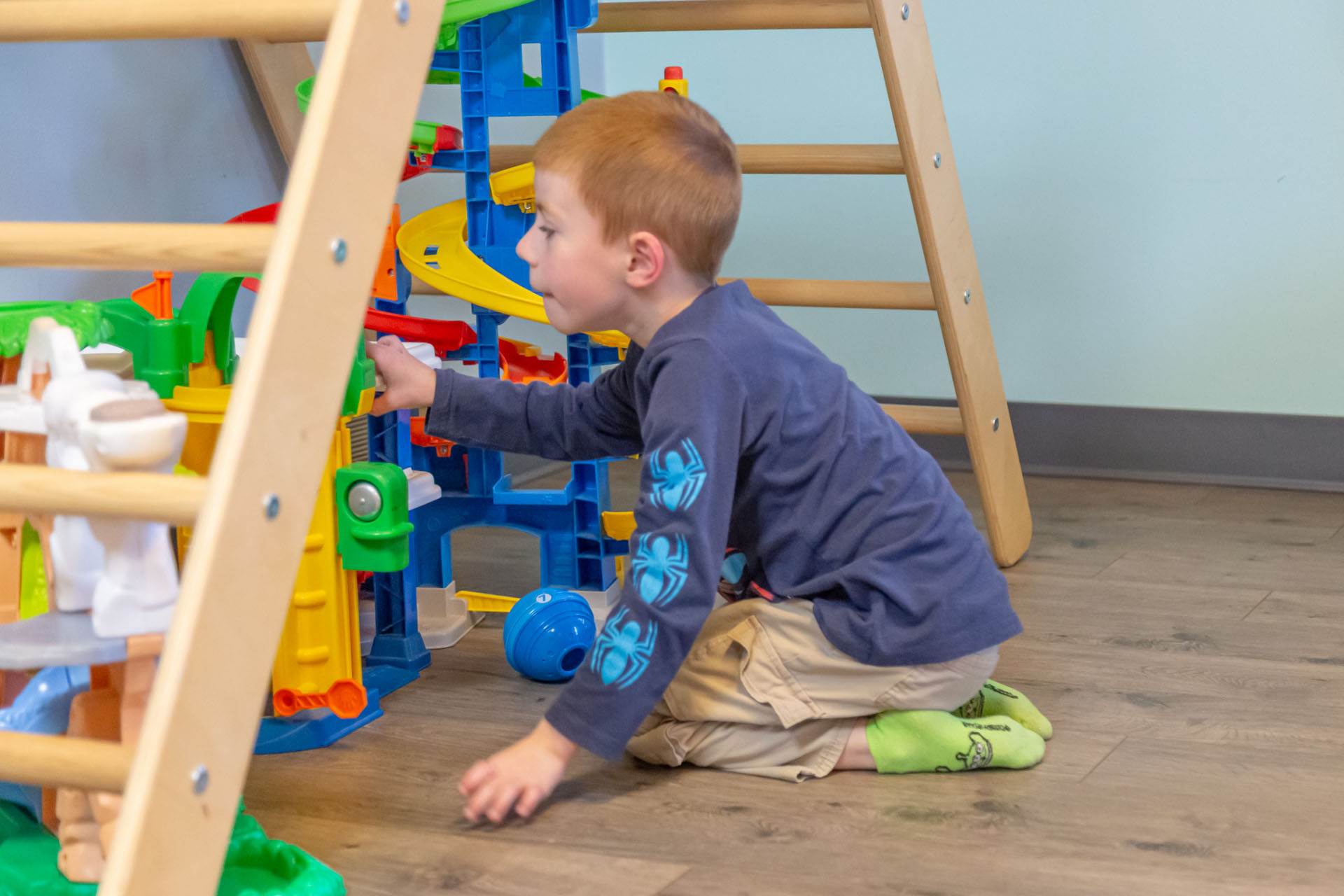

Emotional regulation is one of the most important foundations of childhood development. It shapes how children respond to frustration, adapt to change, manage sensory input, and recover after difficult moments. Resilience grows alongside it, the ability to experience stress or disappointment and still find a way back to calm. For many children, these skills don’t emerge automatically. They are learned, practiced, and strengthened through supportive relationships and intentional guidance.
Pediatric therapy helps children build these abilities by looking at the whole child, their sensory needs, communication skills, motor development, and behavioral patterns, and giving families tools that make daily life feel more predictable, manageable, and connected. This work is grounded in well‑established frameworks such as the Dunn Sensory Processing Model, The Zones of Regulation®, Interoception Theory, and research from the Center on the Developing Child at Harvard University, all of which highlight how emotional development is shaped by the interaction between the body, the brain, and the environment.
Understanding Emotional Regulation in Childhood
Emotional regulation is more than “staying calm.” It involves recognizing internal cues, understanding emotions, and using strategies to return to a regulated state. Some children become overwhelmed by noise, movement, or unexpected changes. Others struggle to express what they need, which can lead to frustration or shutdown. Some find everyday tasks physically demanding, making emotional responses harder to manage.
Therapists help families understand why these reactions happen by drawing from research‑supported concepts like co‑regulation, which emphasizes that children learn regulation through supportive relationships before they can do it independently. When children feel safe and understood, they are better able to build resilience and confidence.
How Occupational Therapy Supports Regulation Through Sensory and Daily Life Skills
Occupational therapists often begin by exploring how a child’s sensory system influences their emotions and behavior. Using frameworks such as the Dunn Sensory Processing Model and The Zones of Regulation®, OTs help children understand how their bodies respond to sensory input and what strategies help them feel grounded.
Therapists introduce calming routines, sensory tools, and coping strategies that help children return to a regulated state. They also break daily tasks into manageable steps, helping children experience success and build confidence. Over time, children learn to recognize their own cues and use strategies independently, an essential part of emotional resilience.
How Speech‑Language Therapy Strengthens Emotional Expression
Communication plays a central role in emotional regulation. When children can express their needs, label their feelings, and ask for help, frustration decreases and confidence increases. Speech‑language therapy supports this growth by building emotional vocabulary, strengthening social communication, and helping children use words or AAC to navigate challenging moments.
ASHA‑supported practices emphasize that children who can communicate effectively, verbally or nonverbally, are better equipped to manage stress, negotiate conflicts, and recover from setbacks. As communication becomes clearer, emotional regulation often follows.

How Physical Therapy Helps Children Regulate Through Movement
Movement and emotional regulation are closely connected. Research in pediatric physical therapy shows that improved balance, coordination, and endurance reduce frustration and increase participation. When children struggle with motor skills, everyday tasks can feel overwhelming, which can make emotional responses more intense.
Physical therapists help children develop the strength, stability, and body awareness needed to participate confidently in play, school, and community life. As movement becomes easier and more predictable, children often show improved attention, smoother transitions, and greater emotional flexibility.
How ABA Therapy Builds Coping Skills and Flexible Responses
Applied Behavior Analysis (ABA) supports emotional regulation by teaching children how to navigate challenges, communicate needs, and build flexible responses. Using evidence‑based strategies endorsed by the Behavior Analyst Certification Board (BACB), therapists break complex skills into manageable steps and reinforce coping strategies that help children recover from frustration.
ABA also supports transitions, problem‑solving, and adaptive behavior, key components of resilience. Through structured, supportive practice, children learn how to respond more calmly and confidently when emotions run high.
Why Family Collaboration Matters
Therapy is most effective when families understand how to support regulation at home. Pediatric therapists partner with caregivers to identify early signs of dysregulation, create supportive environments, and use consistent strategies across settings. Research from the Center on the Developing Child at Harvard University emphasizes that children thrive when caregivers model calm, predictable responses and provide opportunities for co‑regulation.
When families and therapists work together, children experience steady, meaningful progress.
A Strong Foundation for Lifelong Resilience
Emotional regulation and resilience are lifelong skills. When children learn how to understand their bodies, express their needs, and recover from challenges, they gain confidence that carries into school, friendships, and family life. Pediatric therapy provides the structure, expertise, and individualized support children need to build these abilities.
Recent articles
Early Signs Your Child May Benefit from Occupational Therapy
When everyday tasks feel harder than they should, occupational therapy may help. Learn common signs involving sensory processing, emotional regulation, executive functioning, and daily routines.
.jpg)
How Parents Can Support Fall Routines with Therapy Strategies
Learn how to support fall routines with therapy-inspired strategies that help children build confidence, independence, and emotional regulation throughout the school year.

A Parent's Guide to ABA Therapy Options in Sheridan, Wyoming
Explore ABA therapy options in Sheridan, Wyoming. Learn how ABA therapy supports communication, independence, and confidence for children and families.

How to Help Your Child Transition Back to School with Confidence
Help your child transition back to school with confidence. Discover therapy-inspired back-to-school tips for families in Billings and communities across Montana and Wyoming.
How Pediatric Therapy Supports Emotional Regulation and Resilience
Learn how pediatric therapy supports emotional regulation and resilience through sensory, communication, motor, and behavioral development.

Building Independence in Everyday Moments: How Butte Kids Learn Daily Living Skills
Discover how Butte’s July events, from the Folk Festival to Lunch in the Park, help children build confidence, communication, and everyday independence.

