How Occupational Therapy Helps Kids Build Independence at Home
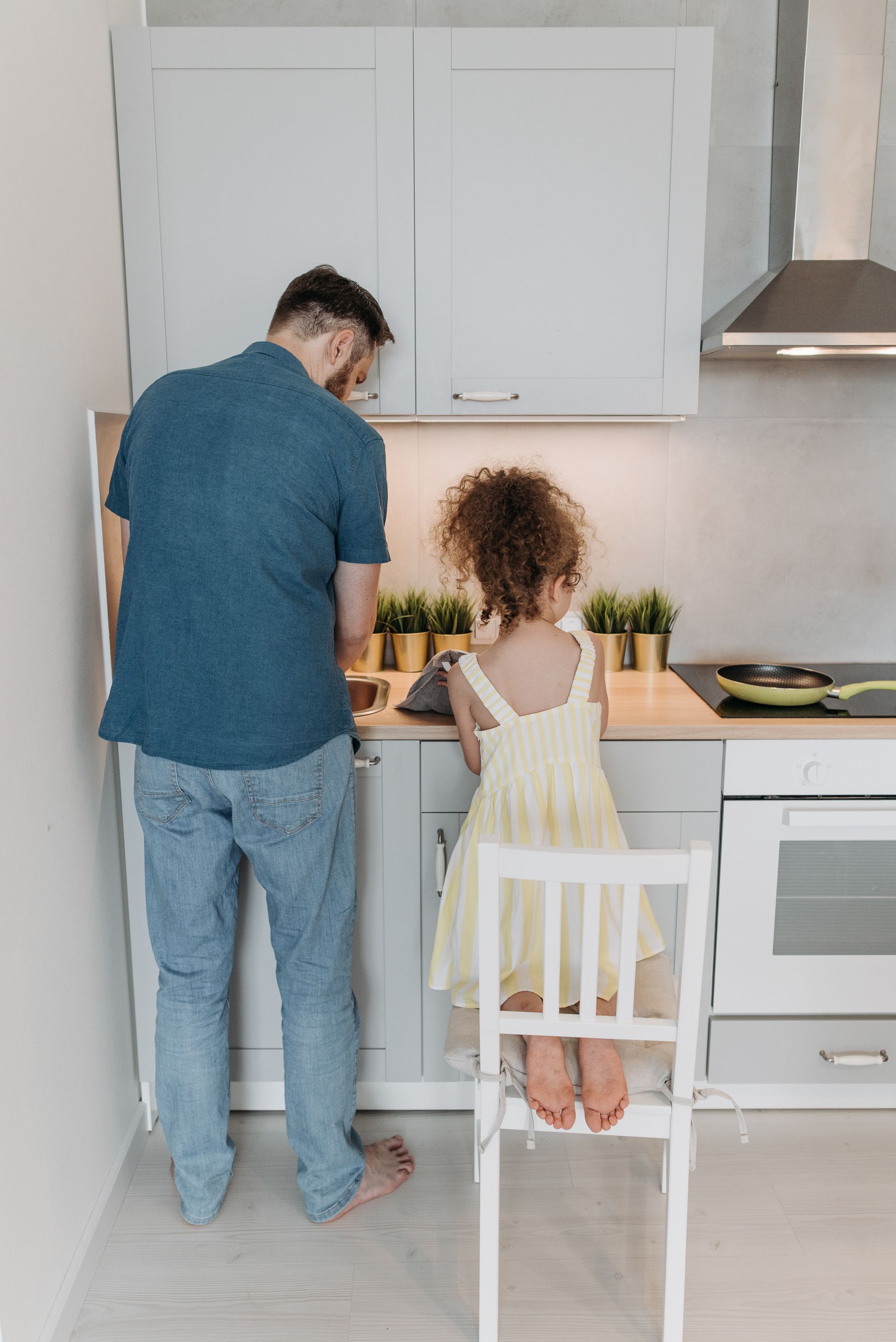

One of the greatest joys for parents is watching their child learn to do things on their own. Whether it's putting on shoes without assistance, packing a backpack, helping prepare a meal, or completing a bedtime routine independently, these moments represent far more than a completed task.
They represent confidence.
They represent growth.
They represent a child's growing belief that they are capable of navigating the world around them.
For some children, however, everyday activities can feel more challenging than they appear. Tasks that seem simple on the surface often require dozens of skills working together behind the scenes. When those skills are still developing, daily routines can become frustrating for both children and caregivers.
At Advanced Therapy Clinic, occupational therapy focuses on helping children develop the foundational skills that support independence, participation, and confidence in everyday life.
What Is Occupational Therapy?
Occupational therapy (OT) helps children develop the physical, sensory, cognitive, and emotional skills needed to participate successfully in daily activities.
For children, these "occupations" include things like:
- Getting dressed
- Brushing teeth
- Eating meals
- Playing with friends
- Completing school tasks
- Following routines
- Participating in family activities
While many people think occupational therapy focuses primarily on physical skills, pediatric OT often looks much deeper.
Occupational therapists help children build the underlying skills that allow them to plan, organize, initiate, and complete everyday activities successfully.
The Hidden Skills Behind Independence
When parents think about independence, they often focus on the visible task.
- Can my child tie their shoes?
- Can they pack their backpack?
- Can they brush their teeth without reminders?
Occupational therapists often ask a different question:
What skills does a child need in order to complete that task successfully?
For example, putting on shoes may require:
- Attention and focus
- Planning and sequencing
- Fine motor coordination
- Body awareness
- Frustration tolerance
- Problem-solving skills
In other words, independence is not a single skill.
It's the result of many physical, cognitive, sensory, and emotional abilities working together.
When children struggle with everyday tasks, it doesn't necessarily mean they are unwilling, unmotivated, or refusing to cooperate. Sometimes their brains are still developing the systems needed to organize, plan, and complete those activities successfully.
Occupational therapy helps strengthen these foundational skills so children can participate more confidently in everyday life.
Executive Functioning: The Brain's Management System
One area receiving growing attention in child development is executive functioning.
Executive functioning refers to a set of mental skills that help us plan, organize, remember information, manage time, and complete tasks.
Think of executive functioning as the brain's management system.
These skills help children:
- Start tasks independently
- Follow multi-step directions
- Stay organized
- Manage time effectively
- Transition between activities
- Adapt when plans change
- Solve problems
Children use executive functioning skills throughout the day, often without realizing it.
Packing a backpack, getting ready for school, completing homework, and following a bedtime routine all rely heavily on executive functioning.
When these skills are challenging, children may appear forgetful, disorganized, distracted, or dependent on adult reminders.
Occupational therapists help children develop strategies that support executive functioning while building greater independence over time.
Why Everyday Tasks Feel Hard for Some Children
Parents sometimes wonder why a child who appears capable in one area struggles significantly in another.
The answer is often more complex than motivation.
Daily activities require multiple skills to work together simultaneously.
For example, getting ready for school may involve:
- Remembering the steps of a routine
- Managing time
- Organizing materials
- Tolerating clothing textures
- Staying focused despite distractions
- Regulating emotions when something doesn't go as planned
If one or more of these skills is difficult, the entire routine can become challenging.
Occupational therapy helps identify which skills may be contributing to frustration and develops individualized strategies to support success.
Sensory Processing and Daily Participation
Sensory processing plays an important role in independence and participation.
Children constantly receive information from their environment through touch, movement, sound, sight, smell, and body awareness.
For some children, these sensory experiences can feel overwhelming.
A child may struggle with:
- Certain clothing textures
- Loud household noises
- Bright environments
- Strong smells
- Unexpected changes in routine
Other children may actively seek sensory input through movement, touch, or activity.
These sensory differences can significantly impact participation in daily routines.
Occupational therapists help children and families better understand sensory needs while developing practical strategies that support comfort, regulation, and successful participation at home, at school, and in the community.

Why Success Builds More Success
Research in child development consistently shows that confidence grows through successful experiences.
When children repeatedly experience frustration or failure, they may begin avoiding tasks that feel difficult. Over time, they may start believing they are incapable of doing things independently, even when they have the ability to learn those skills with support and practice.
Psychologists refer to this belief as self-efficacy.
Self-efficacy is a child's belief in their ability to overcome challenges and achieve goals.
Occupational therapy helps create opportunities for success by breaking large challenges into manageable steps.
Rather than expecting a child to master an entire routine at once, therapists focus on helping children achieve small wins that build confidence over time.
As confidence grows, children often become more willing to try new activities, solve problems independently, and persist when challenges arise.
In many cases, the belief that "I can do this" becomes just as important as the skill itself.
Partnering with Parents for Lasting Success
One of the most important aspects of occupational therapy is collaboration with families.
Parents know their children best, and meaningful progress often happens during everyday moments at home.
Occupational therapists work closely with caregivers to provide strategies that fit naturally into daily routines.
This may include:
- Visual schedules
- Step-by-step task breakdowns
- Environmental modifications
- Sensory supports
- Positive reinforcement techniques
The goal is not to create more work for families. The goal is to help families build opportunities for learning and independence within the routines they already have.
When therapy strategies become part of everyday life, children have more opportunities to practice skills and experience success.
Helping Children Thrive at Home and Beyond
Independence isn't simply about completing tasks without assistance.
It's about helping children develop the confidence, problem-solving abilities, self-regulation skills, and resilience needed to navigate the world around them.
Occupational therapy helps children strengthen the foundations that support everyday success, from executive functioning and sensory processing to self-care skills and daily routines.
At Advanced Therapy Clinic, we believe independence is about more than completing tasks, it's about helping children develop the confidence, resilience, and problem-solving skills that support success throughout life. Every child deserves the opportunity to believe in their abilities, participate fully in daily life, and discover what they're capable of accomplishing.
Recent articles

Can You Be Smart and Have Autism
Exploring Intelligence and Autism: Myths, Realities, and Interventions

Vocal Stimming In Autism
Understanding Vocal Stimming: A Key Aspect of Autism Spectrum Behaviors

How Speech Therapy Assists with Comprehending Complex Sentences
Unlocking Language Potential: The Role of Speech Therapy in Mastering Complex Sentences

Medication for Autism
Understanding the Role of Medication in Autism Spectrum Disorder Management

The Importance of Handwriting Development in Occupational Therapy
Handwriting Skills: A Critical Focus in Pediatric Occupational Therapy

Aba Therapy Age Limit
Understanding the Age Range and Effectiveness of ABA Therapy

