Early Signs Your Child May Benefit from Occupational Therapy


Every child develops at their own pace. Some children quickly master new skills, while others need a little more time, practice, or support along the way.
As a parent, it's natural to wonder whether your child's challenges are simply part of their unique development or if additional support could help them thrive.
Occupational therapy (OT) is designed to help children build the skills they need for everyday life. From getting dressed and using utensils to participating in school activities and managing emotions, occupational therapists work with children to improve independence, confidence, and success in daily routines.
Knowing what signs to look for can help families make informed decisions and seek support when needed.
What Does Occupational Therapy Help With?
Pediatric occupational therapy focuses on helping children develop the physical, sensory, cognitive, and emotional skills needed for daily life.
Occupational therapists may support children with:
- Fine motor skills
- Handwriting and school tasks
- Sensory processing
- Self-care routines
- Emotional regulation
- Play and social participation
- Coordination and motor planning
- Executive functioning skills
- Independence with everyday activities
Because these skills affect so many areas of a child's life, challenges can sometimes show up in unexpected ways.
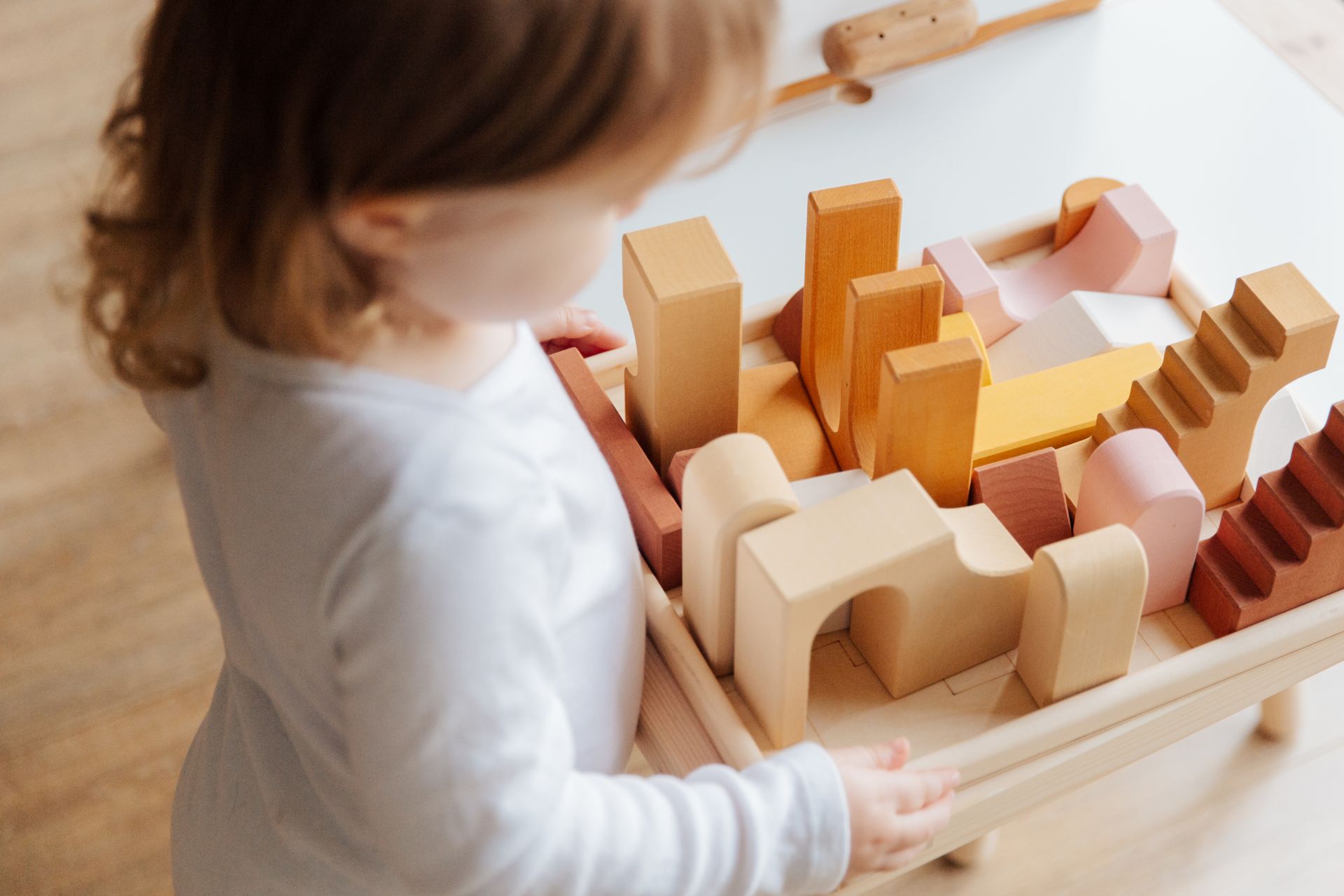
When Everyday Tasks Feel Harder Than They Should
Parents often notice challenges during everyday activities long before they realize those challenges may be connected.
A child may avoid coloring, become frustrated when getting dressed, struggle to use utensils, or resist tasks that require writing and fine motor coordination.
It's easy to assume a child simply isn't interested in the activity.
In reality, many children avoid tasks that feel difficult.
When an activity consistently feels frustrating, children naturally begin looking for ways to avoid it. The behavior parents see—avoiding coloring, refusing to write, becoming upset when asked to button a coat—is often not the problem itself. Instead, it may be a sign that the child is working much harder than others to complete the task.
You might notice your child:
- Struggles to hold a pencil, crayon, or marker
- Has difficulty using scissors
- Avoids coloring, drawing, or writing activities
- Finds buttons, zippers, or snaps challenging
- Has trouble manipulating small objects
Occupational therapy helps identify the underlying skills contributing to that frustration and creates opportunities for children to experience success.
Executive Functioning: The Hidden Skill Many Parents Overlook
One area receiving increasing attention in child development is executive functioning.
Executive functioning refers to the brain skills that help us plan, organize, remember instructions, manage time, and complete tasks.
Think of executive functioning as the brain's management system.
Children use executive functioning throughout the day when they:
- Pack a backpack
- Follow multi-step directions
- Complete homework
- Transition between activities
- Stay organized at school
- Manage emotions during challenges
When these skills are still developing, children may appear forgetful, distracted, disorganized, or dependent on constant reminders.
Parents often describe these children as "smart, but struggling."
For example, a child may know exactly what needs to be done each morning but still struggle to move through the routine independently. Another child may understand classroom expectations but have difficulty organizing materials or completing assignments.
Occupational therapists help children develop strategies that support planning, organization, flexibility, and independence while reducing frustration for both children and caregivers.
It's Not Always About Behavior
One of the most common misconceptions parents face is believing that every emotional outburst is a behavioral issue.
Sometimes behavior is communication.
A child who melts down when plans change may not be trying to be difficult. They may be struggling with cognitive flexibility, the brain's ability to shift from one expectation to another.
A child who becomes overwhelmed in crowded environments may not be misbehaving. They may be processing more sensory information than their nervous system can comfortably manage.
A child who seems easily frustrated may not lack motivation. They may be working harder than others to complete tasks that feel simple on the surface.
Possible signs may include:
- Frequent emotional outbursts
- Difficulty calming after becoming upset
- Challenges transitioning between activities
- Frustration with changes in routine
- Difficulty coping with unexpected situations
When parents begin looking beyond the behavior itself, they often gain a clearer understanding of what their child may need.
Occupational therapy helps children develop the self-regulation, coping, and problem-solving skills that support success in everyday situations.
Understanding Sensory Processing Differences
Many children experience the world differently through their senses.
Some children may become overwhelmed by:
- Loud noises
- Bright lights
- Certain clothing textures
- Busy environments
- Unexpected changes in routine
Other children may actively seek sensory input by:
- Constantly moving
- Jumping or crashing into objects
- Touching everything around them
- Seeking intense movement activities
Sensory processing differences are not necessarily problems to be fixed. They are differences in how a child's nervous system receives and responds to information.
However, when sensory challenges begin affecting participation in school, family activities, social situations, or daily routines, additional support may be helpful.
Occupational therapy helps children better understand and manage sensory experiences so they can participate more comfortably and confidently in everyday life.
School Tasks Feel More Difficult Than Expected
Sometimes challenges become more noticeable when children enter preschool or elementary school.
Parents and teachers may observe:
- Difficulty staying organized
- Challenges completing classroom tasks
- Trouble sitting for age-appropriate activities
- Frustration with handwriting assignments
- Avoidance of certain school activities
These observations don't necessarily mean something is wrong.
They may simply indicate that your child could benefit from additional support and skill-building.
The earlier challenges are identified, the more opportunities children have to develop skills, confidence, and successful strategies that support long-term growth.
Trust Your Instincts as a Parent
Parents know their children better than anyone else.
If you've noticed ongoing challenges that affect your child's participation, confidence, or independence, it's okay to ask questions and seek guidance.
One of the biggest misconceptions about therapy is that families should wait until challenges become significant before seeking support.
In reality, early support often helps children build skills before frustration, avoidance, or self-doubt begin affecting their confidence.
Seeking an evaluation doesn't mean something is wrong.
It simply provides an opportunity to better understand your child's strengths, needs, and potential areas for growth.
Every Child Has Unique Strengths
Occupational therapy is not about focusing on what a child can't do.
It's about understanding how they learn, identifying barriers that may be getting in the way, and helping them build the skills they need to participate more fully in everyday life.
Every child develops differently.
Every child learns differently.
And every child deserves support that honors their unique strengths, abilities, and potential.
At Advanced Therapy Clinic, we believe every child deserves the opportunity to build confidence through success. Whether challenges involve fine motor skills, sensory processing, executive functioning, emotional regulation, or daily routines, occupational therapy can help children develop the tools they need to thrive at home, at school, and in their communities.
Recent articles

Speech Therapist School
Navigating the Path to a Rewarding Career in Speech Therapy

Pediatric Speech Therapy Programs
Unlocking Potential Early: The Role of Speech Therapy in Pediatric Development

What Is Supportive Care ABA?
Understanding Supportive Care ABA: A Cornerstone of Multidisciplinary Therapy for Autism

What Are the Behavioral Characteristics of a Child with Autism
Understanding Behavioral Traits and Interventions for Children with Autism Spectrum Disorder

How to Become a Speech Therapist
Charting Your Path to a Rewarding Career in Speech Therapy

Teaching Safety Skills to Children with Autism
Empowering Autistic Children Through Targeted Safety Skills Development

