Celebrating Small Wins: How Therapy Helps Kids Build Confidence All Year Long
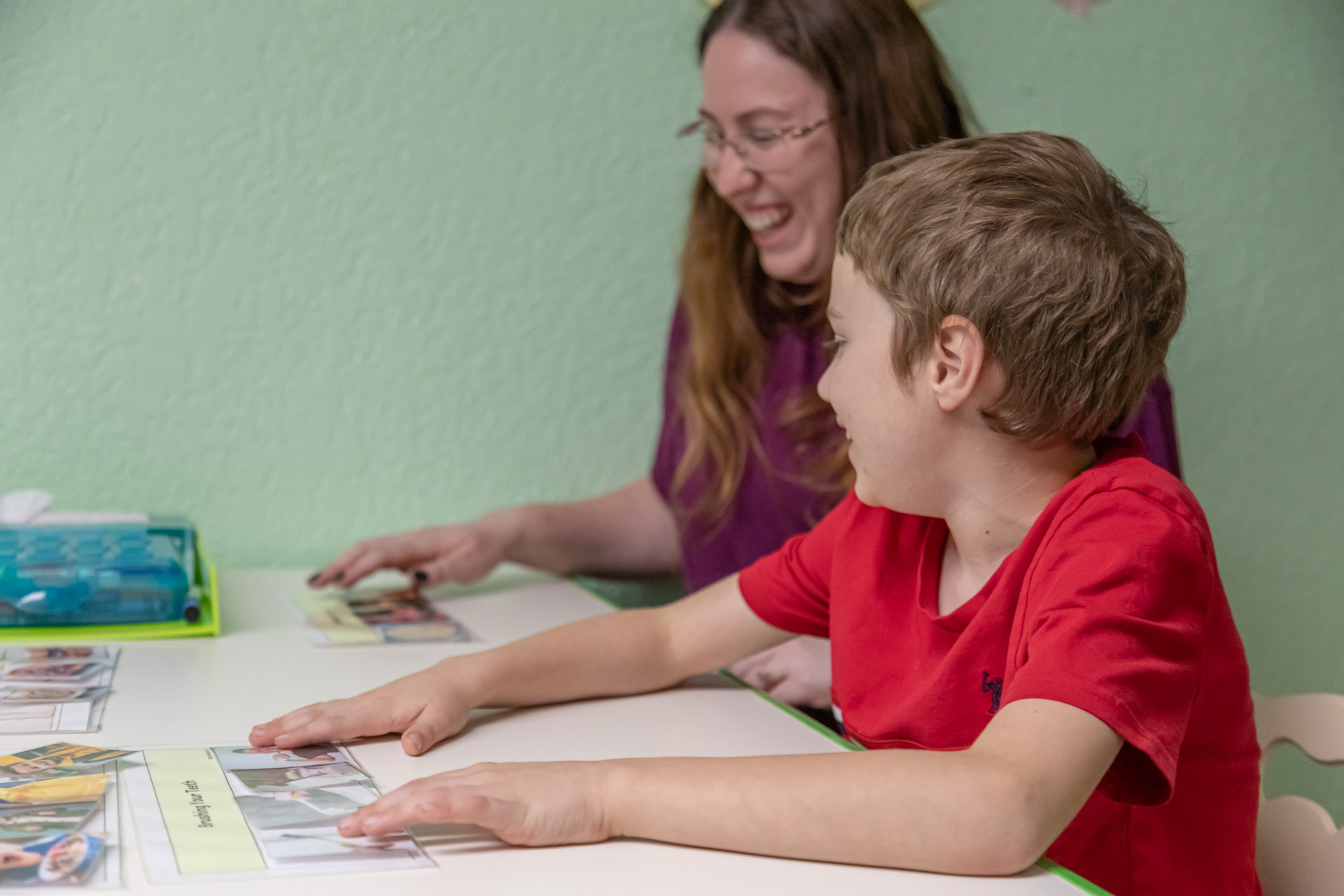

Every parent wants to see their child feel proud of themselves, whether it’s tying a shoe, trying a new food, saying a new word, or bravely walking into a therapy session. But progress in childhood development doesn’t always happen in big, dramatic leaps. More often, it grows through small, steady steps that build confidence over time. At Advanced Therapy Clinic, we believe those small wins are worth celebrating every single day.
For families across Montana and Wyoming, understanding how these moments shape a child’s growth can make the therapy journey feel more hopeful, empowering, and connected. When parents know what to look for, and how to celebrate it, children feel supported in ways that last far beyond the therapy room.
Why Small Wins Matter More Than You Think
In pediatric therapy, small wins are the building blocks of long-term success. They’re the moments when a child tries something new, shows a little more independence, or uses a skill they’ve been practicing. These moments may seem tiny, but they create momentum.
Small wins matter because they:
- Boost confidence by showing a child that they can do hard things
- Strengthen neural pathways, helping skills become more automatic
- Reduce frustration by breaking big goals into manageable steps
- Encourage resilience, especially when progress feels slow
- Build trust between the child, family, and therapy team
When children experience success, even in small doses, they’re more willing to keep trying. And when parents notice and celebrate those moments, the impact multiplies.
What Small Wins Look Like in Different Types of Therapy
Every child’s journey is unique, and so are the small wins that shape their progress. Here’s how these moments often show up across the therapies offered at Advanced Therapy Clinic.
ABA Therapy & Behavior Analysis
In ABA, small wins might look like:
- Using a new communication skill instead of a challenging behavior
- Following a simple direction independently
- Transitioning between activities with fewer prompts
- Trying a new routine or accepting a change with less stress
These moments show that a child is learning to navigate their world with more confidence and flexibility.
Occupational Therapy
In OT, small wins often appear in everyday tasks:
- Holding a pencil with a more functional grasp
- Tolerating a new texture during sensory play
- Zipping a jacket with less help
- Sitting at the table for a little longer during activities
Each of these steps builds toward greater independence and self-esteem.
Physical Therapy
In PT, small wins can be physical breakthroughs:
- Taking a few more steps without support
- Climbing onto playground equipment with more stability
- Improving balance during a favorite game
- Showing more endurance during movement activities
These wins help children feel strong, capable, and proud of their bodies.
Speech Therapy
In speech therapy, small wins might include:
- Saying a new sound or word
- Pointing, gesturing, or using AAC to communicate
- Following a simple direction
- Engaging in back-and-forth play or conversation
Communication is deeply tied to confidence, every new skill opens a door.
How Celebrating Small Wins Builds Confidence
Children thrive when they feel seen, supported, and celebrated. When parents and therapists highlight progress, even tiny steps, children learn that effort matters just as much as outcomes.
Celebrating small wins helps children:
- Feel proud of themselves
- Stay motivated during challenging moments
- Build a positive relationship with learning
- Develop a growth mindset, understanding that skills improve with practice
- Strengthen emotional resilience
Confidence isn’t built in a single moment. It grows through repeated experiences of “I did it!” and those experiences often start with the smallest steps.
How Parents Can Celebrate Small Wins at Home
Parents play a powerful role in reinforcing progress outside the therapy room. Here are simple, meaningful ways to celebrate small wins at home:

1. Notice the effort, not just the outcome
Instead of “You did it perfectly,” try:
“You worked so hard on that!”
This teaches children that trying is valuable.
2. Use specific praise
“You shared your toy with your sister, that was kind and brave.”
Specific praise helps children understand exactly what they did well.
3. Create a “wins” routine
Some families share small wins at dinner or bedtime.
Others keep a “victory jar” where they add notes about progress.
These rituals help children reflect on their growth.
4. Celebrate progress in everyday moments
Trying a new food, putting on socks independently, or using a new word all count.
5. Share wins with your therapy team
Your child’s therapist loves hearing about progress at home and it helps guide future sessions.
What If Progress Feels Slow?
It’s completely normal for progress to come in waves. Some weeks feel full of breakthroughs; others feel quieter. That doesn’t mean therapy isn’t working, it means your child is learning, processing, and growing at their own pace.
During slower periods, small wins become even more important. They remind families that:
- Growth is happening
- Skills are building
- Confidence is forming
- The journey is still moving forward
At Advanced Therapy Clinic, we walk alongside families through every phase, celebrating the highs and supporting the lows.
A Year of Growth, One Small Win at a Time
For families across Montana and Wyoming, our goal is to create a therapy experience where every child feels capable, supported, and celebrated. Small wins aren’t just milestones, they’re moments that shape a child’s identity, confidence, and future.
When we honor these moments together, children learn to believe in themselves. And that belief becomes the foundation for everything that comes next.
Recent articles
Communication Milestones
Tracking Early Communication Skills: A Guide to Developmental Milestones
Sensory Integration Therapy & Autism
Understanding the Role of Sensory Integration Therapy in Autism Care

How Physical Therapy Helps with Posture and Balance
Regaining Stability: The Comprehensive Role of Physical Therapy in Enhancing Posture and Balance

SPELL Autism Framework
Integrating Therapies for Effective Autism Support

Signs & Symptoms Of Autism In Adults
Navigating Autism in Adulthood: Recognizing Key Signs and Finding Support

How ABA Therapy Teaches Safe Social Boundaries
Building Safety and Social Confidence through ABA Therapy

