Autism Acceptance Month: Strengths, Support & Self‑Expression
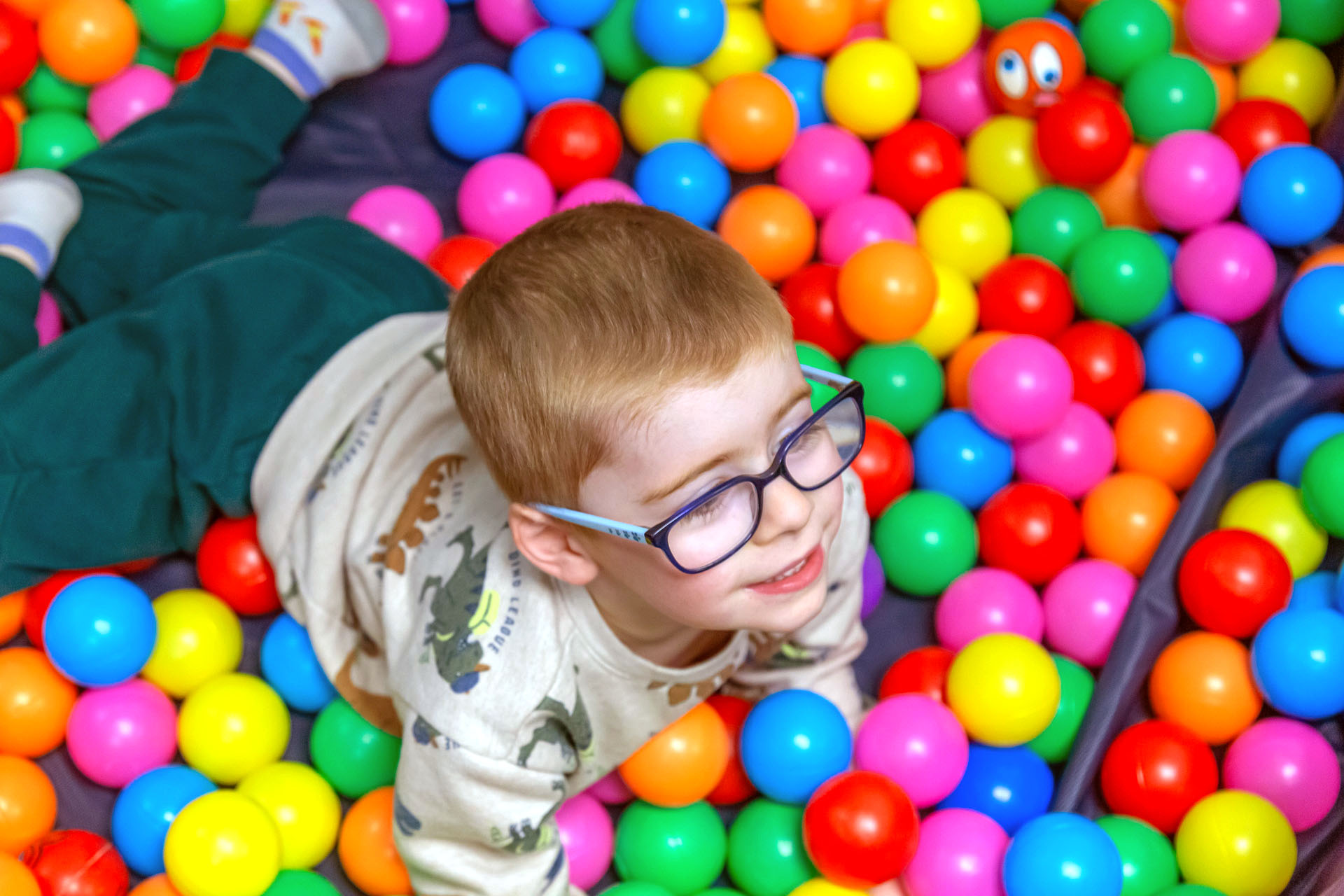

April is Autism Acceptance Month, a time to celebrate the many ways autistic children think, learn, play, and connect with the world. Instead of focusing on “fixing” differences, this month invites us to recognize strengths, honor individuality, and create environments where autistic children feel understood, supported, and valued for who they are.
At Advanced Therapy Clinic, we have the privilege of walking alongside autistic children and their families every day. Our therapists see firsthand how curiosity, creativity, and unique perspectives shape each child’s journey. We’re grateful for the trust families place in us and deeply proud of the team whose compassion and expertise help children grow with confidence.
Understanding Autism Through a Strengths‑Based Lens
Autism is not a single experience; it’s a spectrum of strengths, needs, and ways of engaging with the world. Many autistic children have incredible attention to detail, strong memory skills, deep passions, and a unique ability to notice patterns others might miss. They may also experience the world through a sensory lens, seeking movement, avoiding certain textures, or becoming overwhelmed by noise or unpredictability.
A strength‑based approach doesn’t ignore challenges; it simply recognizes that growth happens best when children feel safe, respected, and supported. When therapy honors a child’s interests, communication style, and sensory needs, it becomes a place where they can explore, learn, and express themselves authentically.
Supporting Communication in All Its Forms
Communication looks different for every autistic child. Some communicate through spoken language, others through gestures, AAC devices, pictures, or a combination of methods. What matters most is helping each child feel heard and understood.
Therapists may help children:
- Build expressive and receptive language
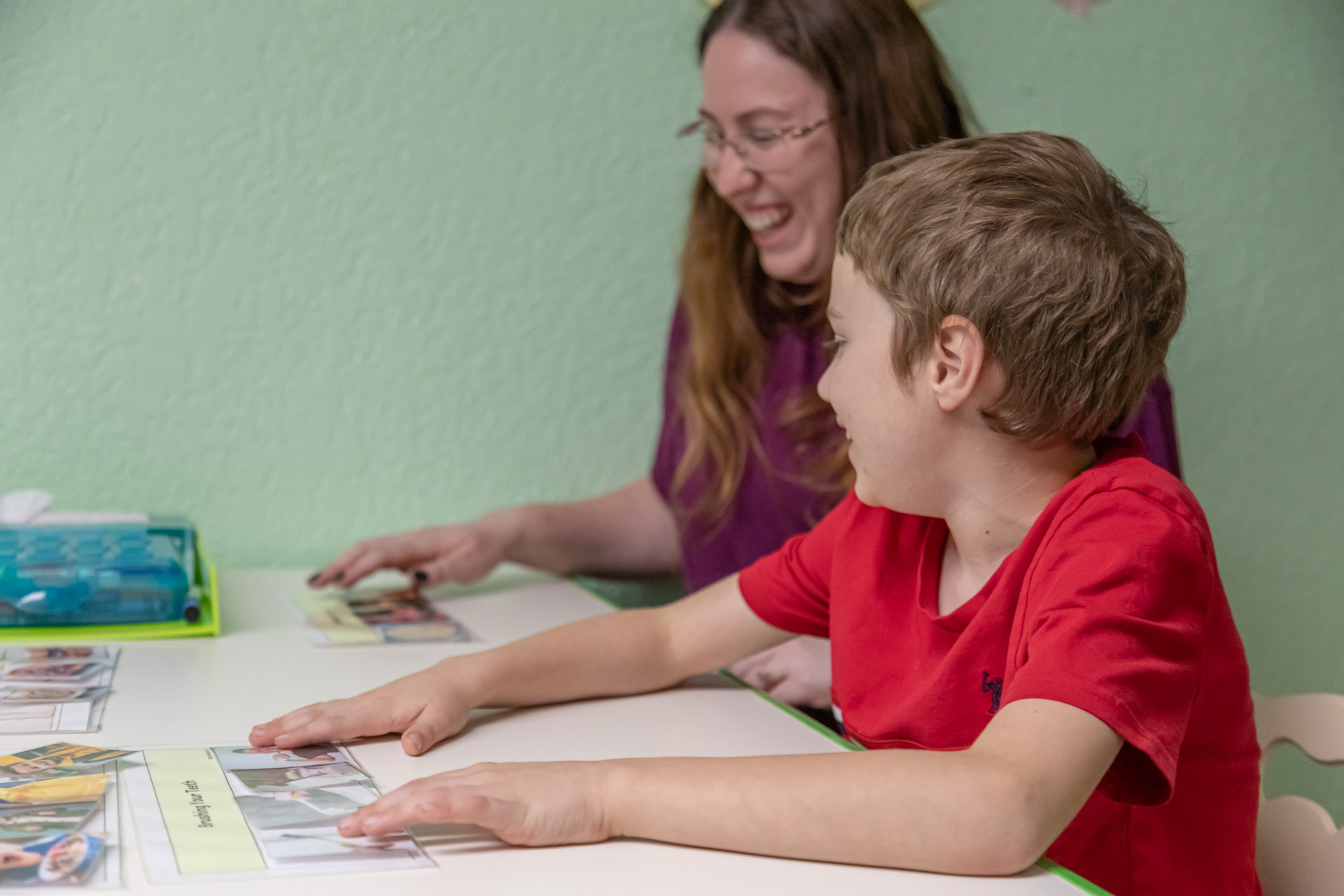
- Use AAC devices or picture supports
- Strengthen social communication
- Reduce frustration by offering alternative ways to express needs
- Develop confidence in their own communication style
These moments help children feel more confident sharing their ideas, asking for help, and connecting with the people around them.
Building Social Connection Through Authentic Interaction
Self‑expression is essential for emotional well‑being. Therapy creates safe, joyful spaces where autistic children can explore who they are through:
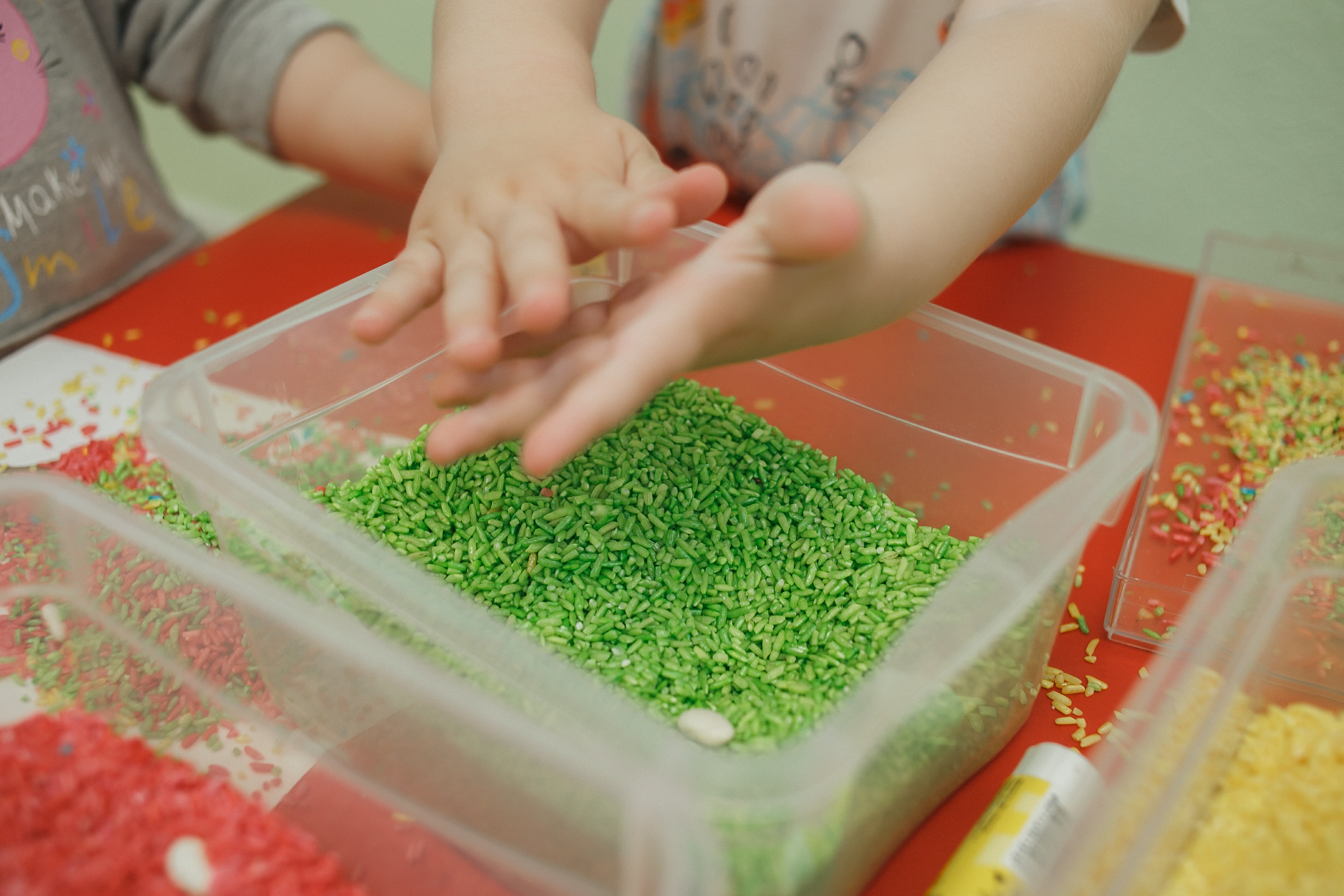
- Sensory play
- Art and creative activities
- Movement and motor play
- Interest‑based learning
- Social play with peers or siblings
These moments help children build identity, confidence, and emotional resilience. They also give families a window into their child’s inner world, what excites them, what calms them, and what helps them feel understood.
Creating Supportive Routines That Reduce Stress
Predictability helps many autistic children feel safe. Therapy supports families in building routines that are structured, flexible, and supportive.
Therapists may help families:
- Use visual schedules
- Break tasks into manageable steps
- Support sensory needs during transitions
- Create calm‑down spaces
- Build routines around strengths and interests
When routines feel predictable, children experience fewer stressors and families experience more harmony throughout the day.
Helping Families Feel Confident and Supported
Families play a powerful role in helping autistic children thrive. Simple, predictable routines like preparing for school, transitioning between activities, or winding down at bedtime can make daily life feel more manageable. Visual schedules, clear expectations, and gentle transitions often help children feel more in control.
Just as important is celebrating the small moments: a shared laugh, a new skill, a moment of bravery, or a spark of independence. These everyday wins build confidence and strengthen the connection between children and their caregivers.
A Month to Celebrate Every Child’s Brilliance
Autism Acceptance Month reminds us that every child deserves to be celebrated for who they are. Autistic children bring unique perspectives, deep passions, and extraordinary strengths to the world. When they are supported with understanding and acceptance, they grow in confidence, independence, and joy.
At Advanced Therapy Clinic, we’re honored to be part of that journey. Every moment of connection, every spark of curiosity, and every step toward self‑expression is meaningful, and we’re grateful for the children and families who inspire us every day.
Recent articles
Occupational Therapy Month: Building Kids’ Confidence & Independence
Celebrate Occupational Therapy Month and explore how OT helps kids build independence, resilience, and everyday confidence, with gratitude for the team who makes it possible.
Autism Acceptance Month: Strengths, Support & Self‑Expression
Celebrate Autism Acceptance Month by exploring how autistic children grow through strengths, support, and self‑expression, with gratitude for the team who makes it possible.

How Pediatric Therapy Strengthens Family Bonds and Daily Routines
Learn how pediatric therapy brings families closer, reduces stress in daily routines, and empowers parents with tools that support their child’s progress.

Understanding the Differences Between ABA, OT, PT, and Speech Therapy
Explore how ABA, OT, PT, and Speech Therapy each help children build skills, confidence, and independence, and how to choose the right support for your family.
What to Expect at Your First Therapy Session
Discover what your child’s first therapy session looks like, from rapport building to goal setting, and how families can feel confident starting care.
Celebrating Small Wins: How Therapy Helps Kids Build Confidence All Year Long
Learn why small wins in therapy matter, how they boost your child’s confidence, and simple ways families can celebrate progress all year long.

