Apraxia of Speech


Understanding Apraxia of Speech
Apraxia of Speech (AOS) is a complex neurological disorder that disrupts a person’s ability to plan and coordinate the movements necessary for clear and fluent speech. Unlike speech problems caused by muscle weakness, AOS affects the brain's orchestration of speech motor planning, creating unique challenges for individuals across all ages. This article explores the nature of AOS, its causes, symptoms, and cutting-edge therapeutic approaches, aiming to shed light on effective care strategies that empower those living with this condition.
What Is Apraxia of Speech? Definitions and Key Characteristics
What is Apraxia of Speech and what characterizes it?
Apraxia of Speech (AOS), also known as verbal apraxia or dyspraxia, is a neurological speech disorder. It involves the impaired ability to plan or program the sensorimotor commands essential for normal speech production. Unlike speech problems caused by muscle weakness, AOS results from the brain's difficulty coordinating the precise movements needed for speaking.
Neurological basis and speech motor planning impairment
AOS disrupts the brain’s capacity to plan and sequence the motor movements required for articulation. This planning deficit means that even though the muscles controlling speech are physically intact and capable, the brain struggles to send the correct commands to execute fluent speech.
Alternative terms: verbal apraxia, dyspraxia
Historically, Apraxia of Speech has been called verbal apraxia or dyspraxia, all referring to the same core problem of disrupted speech motor planning.
Differences from muscle weakness-based speech issues
It is important to distinguish AOS from speech disorders caused by muscle weakness or paralysis (such as dysarthria). In AOS, muscle strength and coordination remain normal; difficulty arises purely from the planning and programming stages of speech production.
Primary symptoms and speech characteristics in both children and adults
Individuals with AOS typically exhibit:
- Phoneme distortions and inconsistent errors
- Slow speech rate and segmentation of syllables
- Equal and misplaced stress or prosody across syllables
- Groping behaviors, where the person struggles to find the correct articulatory positions
- Voicing errors and difficulty initiating speech
In children, these symptoms often include limited consonant and vowel repertoires, minimal vowel variation, and increased difficulty with volitional speech versus automatic sounds. Adults with acquired AOS may present slow, effortful speech with inconsistent sound production.
These defining characteristics highlight the complex motor planning challenges caused by AOS, differentiating it clearly from other speech disorders.
Causes and Types of Apraxia of Speech Across Lifespan

What Are the Different Types of Apraxia of Speech?
Apraxia of Speech (AOS) occurs in two primary forms: acquired and developmental. Acquired AOS typically arises in adults following neurological incidents like stroke, traumatic brain injury, brain tumors, or surgical trauma. In contrast, developmental AOS, also known as Childhood Apraxia of Speech (CAS), presents from birth and relates to challenges in planning and programming speech movements without muscle weakness.
What Neurological Causes Are Common in Acquired AOS?
Acquired AOS is most often caused by:
- Stroke: Disrupts brain areas responsible for speech motor planning.
- Traumatic brain injury: Physical trauma impacting speech regions.
- Tumors or surgical trauma: Affect brain structures involved in speech.
- Progressive neurological diseases: Such as Parkinson's disease, lead to worsening speech motor planning over time.
What Causes Childhood Apraxia of Speech?
In children, CAS may be linked to genetic factors and developmental neurological differences. It is a rare motor speech disorder believed to have connections with genetic components and brain development affecting motor planning pathways, rather than muscle weakness.
What Other Conditions Can Co-occur with Apraxia of Speech?
AOS often occurs alongside several other neurological deficits, including:
- Aphasia: Language processing difficulties.
- Dysarthria: Muscle weakness affecting speech.
- Nonverbal oral apraxia: Difficulty planning nonspeech mouth movements.
- Apraxia of swallowing: Challenges in planning swallowing movements.
- Limb apraxia: Difficulty planning limb movements.
These co-occurrences can complicate diagnosis and treatment.
How Does AOS Differ Between Adults and Children?
Adult-onset AOS usually results from an identifiable neurological event and may allow for some spontaneous recovery. Children with CAS, however, show persistent difficulties that require intensive, specialized therapy. The symptoms in children often include inconsistent errors and prosodic disturbances, whereas adults might struggle more with speech initiation and fluency.
Understanding the causes and variations of apraxia of speech is essential for accurate diagnosis and effective, individualized treatment across the lifespan.
Diagnostic Process: Role of Speech-Language Pathologists and Assessment Techniques
What is the role of speech-language pathologists (SLPs) in diagnosing and treating AOS?
Speech-language pathologists (SLPs) are essential in the diagnosis and treatment of apraxia of speech (AOS). They conduct thorough assessments, provide accurate diagnosis, and develop personalized treatment plans to address speech planning and programming challenges. SLPs also guide therapy approaches tailored to each individual's unique communication needs.
What assessment procedures are used in evaluating AOS?
Assessment of AOS typically begins with a detailed case history review to understand the onset and context of speech issues. SLPs perform perceptual speech analysis, observing features such as phoneme distortions, inconsistent errors, voicing mistakes, and speech rate abnormalities. Motor speech planning evaluation is critical, assessing the patient's ability to sequence and plan speech movements accurately.
How is AOS differentiated from other speech and language disorders?
A key part of assessment is differential diagnosis. SLPs distinguish AOS from conditions like aphasia, dysarthria, or muscle weakness by evaluating speech characteristics and neurological signs. Aphasia primarily affects language processing, while dysarthria results from muscle weakness causing distorted speech. AOS, however, involves impaired motor planning with relatively preserved muscle strength.
What speech tasks and perceptual characteristics assist in diagnosing AOS?
Diagnostic speech tasks include repetition of words and phrases, increasing utterance length, and automatic versus volitional speech production comparisons. Perceptual characteristics pointing to AOS include articulation errors, syllable segregation, equal stress patterns, and groping behaviors. These observations guide SLPs in making an informed diagnosis and shaping effective intervention strategies.
Therapeutic Approaches and Intervention Strategies
Individualized, Multi-Approach Therapy Plans
Therapy for apraxia of speech (AOS) must be tailored to each individual's unique needs. Experienced speech-language pathologists (SLPs) often combine multiple methods rather than rely on a single approach. This customized strategy ensures therapy addresses the specific severity, co-occurring conditions, and progress made during treatment.
Articulatory-Kinematic and Sensory Cueing Methods
Core motor speech therapies include articulatory-kinematic techniques that focus on improving articulatory accuracy and motor planning. Sensory cueing methods like Integral Stimulation involve tactile, visual, and auditory cues to support correct speech production. PROMPT therapy further enhances speech motor planning through tactile-kinesthetic input, helping patients coordinate speech movements.
Use of Scripted Training, Rate and Rhythm Control, Melodic Intonation Therapy
Script training targets commonly used words and phrases to build automaticity and fluency. Techniques controlling speech rate and rhythm help compensate for impaired timing in motor planning. Melodic Intonation Therapy uses the musical elements of speech — pitch and melody — to facilitate verbal expression especially in adults with acquired apraxia.
Augmentative and Alternative Communication (AAC) Devices and Methods
AAC options, ranging from low-tech sign language to high-tech apps and speech-generating devices, complement speech therapy. These tools enhance communication without inhibiting speech development and can often speed progress. They are especially critical when verbal communication is severely affected.
Considerations of Therapy Dosage, Setting, and Delivery Format
Optimal therapy dosage involves frequent, shorter sessions (3–5 times weekly), leveraging massed practice for rapid learning and distributed practice for retention. Decisions about therapy setting — whether one-on-one, group, in-clinic, or home-based — and format depend on individual preferences and goals.
Importance of Repetition, Motor Learning Principles, and Practice Methods
Frequent repetition of speech sound sequences and motor patterns is vital to making speech automatic. Therapy incorporates motor learning principles such as blocked practice for initial acquisition and random practice for generalization. Specific, constructive feedback supports more effective learning compared to generic praise.
These intervention strategies combined foster improved speech production, intelligibility, and communication for individuals with AOS across age groups and severity levels.
Special Considerations in Childhood Apraxia of Speech (CAS)
Characteristics of CAS including limited sound repertoire and inconsistent errors
Childhood Apraxia of Speech (CAS) is marked by a limited repertoire of consonants and vowels, with minimal variation between vowel sounds. Children often display vowel distortions, inconsistent speech errors, and oral groping behaviors. Their speech typically has prosodic differences such as a slower rate and choppy rhythm. Additionally, difficulties tend to increase with longer utterances, and voluntary speech is often more challenging than automatic speech.
Therapy frequency and dosage recommendations (3-5 sessions per week)
Research supports that shorter, more frequent therapy sessions—typically three to five times weekly—yield better outcomes for children with CAS. This schedule favors more consistent practice and reinforces motor planning skills and speech production.
Effective therapy techniques: modeling, visual feedback, cueing
Effective intervention includes the use of modeling correct speech sounds, sensory cueing such as tactile prompts, and visual feedback. Tools like mirrors or therapists touching lips help children learn and adjust speech movements. Repetition and guided practice are especially crucial.
Massed versus distributed practice and blocked versus random practice
Massed practice, involving many repetitions in a session, can accelerate initial learning, while distributed practice spread over time aids retention and generalization of skills. Blocked practice, which focuses on repeating the same target sounds, supports early learning stages. In contrast, random practice enhances retention and facilitates transfer of skills to natural speech contexts.
Parental involvement and home practice importance
Parental participation is vital. Caregivers act as coaches, reinforcing therapy learning during daily home practice. Their ongoing support helps ensure that the child practices extensively, making speech production more automatic and functional.
AAC use in children and role in comprehensive communication development
Augmentative and Alternative Communication (AAC) strategies, including low-tech options like sign language and picture boards, support communication without inhibiting speech development. AAC is often integrated into therapy to ensure comprehensive communication development while speech skills are being acquired.
Adult Apraxia of Speech: Challenges and Rehabilitation

How Does Adult-Onset Apraxia of Speech Affect Communication?
Adult-onset apraxia of speech (AOS) significantly disrupts the ability to initiate speech, articulate sounds clearly, and maintain fluent communication. Individuals often experience slow, effortful speech with noticeable mispronunciations and inconsistent speech errors. These issues stem from impaired planning and coordination of speech movements rather than muscle weakness.
What Motor Speech Therapy Approaches Are Effective for Adults?
Therapeutic interventions for adults with AOS commonly include the Articulatory Kinematic Approach (AKA) and Speech-Motor Learning Approach (SMLA). AKA focuses on improving articulatory accuracy through repetitive practice, while SMLA emphasizes enhancing motor planning skills. Both approaches employ structured exercises targeting specific speech sounds and motor sequences.
How Are Sensory Cues and AAC Integrated in Treatment?
Sensory cueing techniques, such as Integral Stimulation and PROMPT Therapy, support speech production by providing tactile, visual, and auditory prompts to guide the patient’s speech movements. Augmentative and alternative communication (AAC) devices, ranging from low-tech options to sophisticated speech-generating devices, supplement verbal output and help maintain effective communication during therapy and beyond.
What Role Does Family Support Play in Adult Therapy?
Family involvement is crucial for reinforcing therapy gains. Caregivers and loved ones act as coaches by encouraging daily practice, providing patience, and maintaining regular communication with speech-language pathologists. This consistent support enhances motivation and aids in generalizing skills to real-life settings.
Can Adults Experience Spontaneous Recovery from AOS?
Adults with acquired AOS, particularly following stroke or brain injury, may show spontaneous recovery to varying extents. Early and intensive speech therapy combined with supportive care maximizes this potential, although some individuals might require long-term intervention to regain optimal function.
Contextualizing Speech Therapy Within Broader Therapeutic Disciplines
What are the various fields included under therapy-related disciplines?
Therapy-related disciplines cover a broad spectrum of approaches dedicated to enhancing mental health and overall well-being. These encompass psychodynamic therapy, which delves into unconscious motivations and past experiences, and behavioral therapy that targets behavior modification through strategies like desensitization.
Cognitive-behavioral therapy (CBT) and its variants such as dialectical behavior therapy (DBT) focus on identifying and altering maladaptive thought processes and improving emotional regulation. Humanistic therapies — including existential and person-centered therapy — aim to foster self-awareness and personal growth.
Other specialized methods include art therapy, trauma therapy, attachment therapy, and emotion-focused therapy. These provide creative and relational tools to aid healing and development. The field is supported by an array of professionals such as psychologists, psychiatrists, counselors, social workers, and nurse practitioners.
Importance of multidisciplinary collaboration for holistic well-being
Given the complexity of human needs, multidisciplinary collaboration is crucial. Speech therapy, for example, does not function in isolation but benefits from integration with other disciplines like occupational and physical therapy, applied behavior analysis (ABA), nutrition therapy, and counseling.
Specialized therapists including speech-language pathologists, psychologists, counselors, and social workers bring diverse expertise to a team. Working together, they create comprehensive care plans that address communication skills, mental health, physical abilities, and environmental factors. This integrative approach ensures a more complete support network for the individual’s holistic well-being.
Combining various therapeutic approaches promotes not only effective communication but also emotional resilience and functional independence, ultimately enhancing quality of life.
The Path Forward: Tailored Therapy and Support for Apraxia of Speech
Apraxia of Speech is a multifaceted disorder that demands an individualized, informed approach to diagnosis and treatment. Across age groups, successful management hinges on specialized assessment by skilled speech-language pathologists and the application of evidence-based therapeutic methods that integrate motor learning principles and augmentative supports. Crucially, therapy is most effective when combined with family involvement and personalized home practice. As research continues to clarify genetic and neurological underpinnings and optimize therapeutic techniques, the commitment to a multidisciplinary, patient-centered strategy remains paramount. This holistic approach not only enhances speech production but underpins broader communication and quality of life for those navigating the challenges of AOS.
References
- Acquired Apraxia of Speech
- approaches, methods, and goals of Speech Therapy for CAS
- What Is Apraxia of Speech? | NIDCD - NIH
- Effective Treatment for Apraxia of Speech in Adults
- 7 Approaches for Childhood Apraxia of Speech
- Child Apraxia Treatment – Providing free resources to both ...
- Therapy for Apraxia - Techniques for Effective ...
- Types of Therapy: An A to Z List of Your Options
- Types of Mental Health Professionals
- A Guide to Different Types of Therapy
Recent articles

Fall Activities That Encourage Speech and Social Skills in Children
From pumpkin patches to family game nights, fall offers countless opportunities to help children build communication, social skills, and confidence.
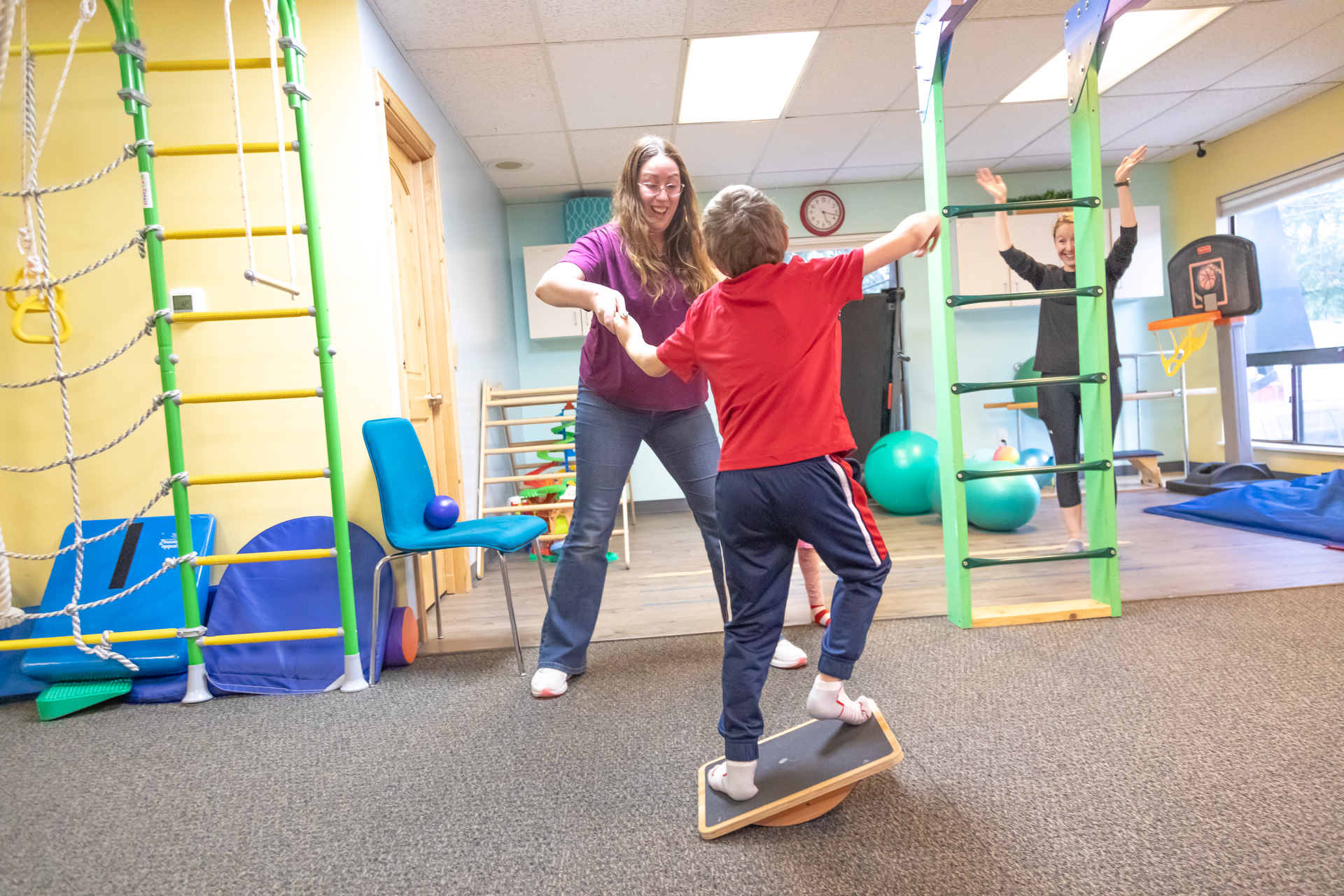
National Physical Therapy Month: How Pediatric PT Helps Children Build Strength and Confidence
Celebrate National Physical Therapy Month and learn how pediatric PT helps children build strength, confidence, mobility, and independence through play and movement.

Early Signs Your Child May Benefit from Occupational Therapy
When everyday tasks feel harder than they should, occupational therapy may help. Learn common signs involving sensory processing, emotional regulation, executive functioning, and daily routines.
.jpg)
How Parents Can Support Fall Routines with Therapy Strategies
Learn how to support fall routines with therapy-inspired strategies that help children build confidence, independence, and emotional regulation throughout the school year.

A Parent's Guide to ABA Therapy Options in Sheridan, Wyoming
Explore ABA therapy options in Sheridan, Wyoming. Learn how ABA therapy supports communication, independence, and confidence for children and families.

How to Help Your Child Transition Back to School with Confidence
Help your child transition back to school with confidence. Discover therapy-inspired back-to-school tips for families in Billings and communities across Montana and Wyoming.

